
Last updated November 2, 2026
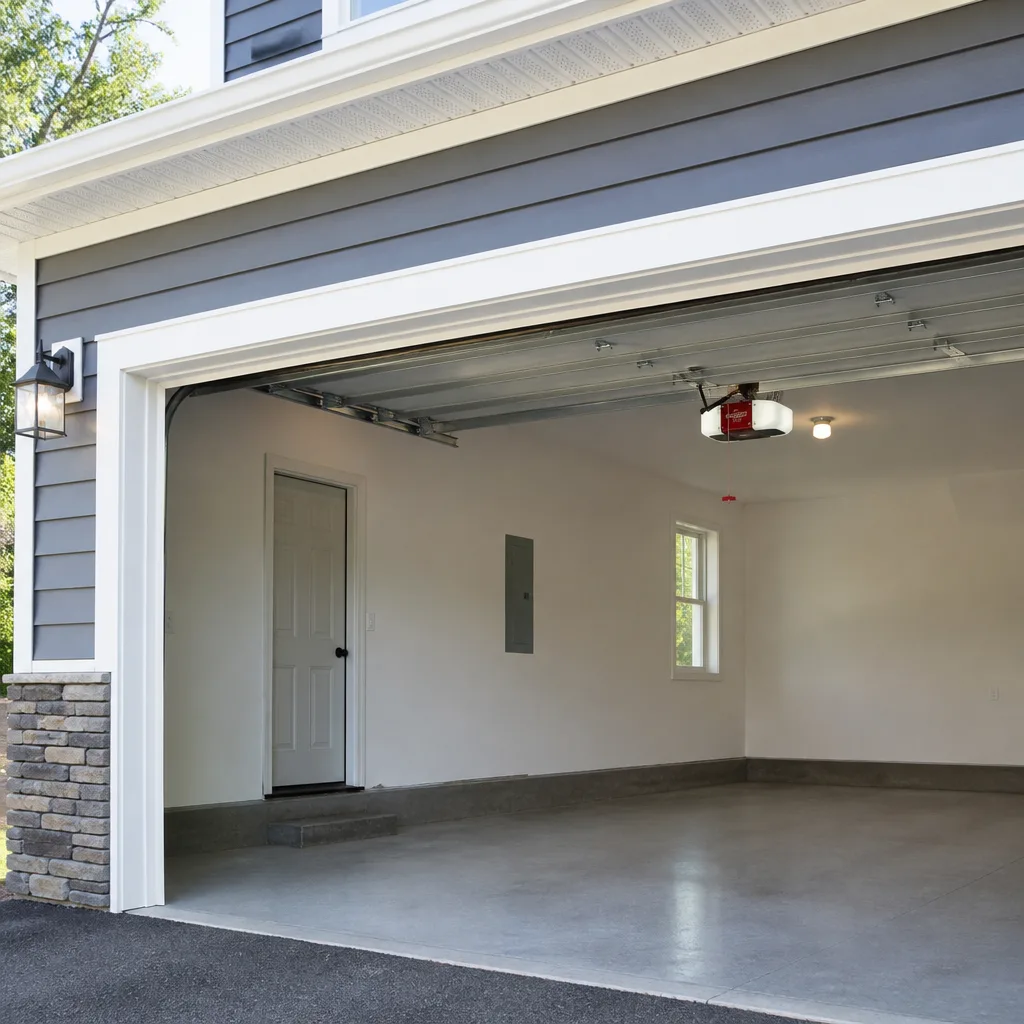
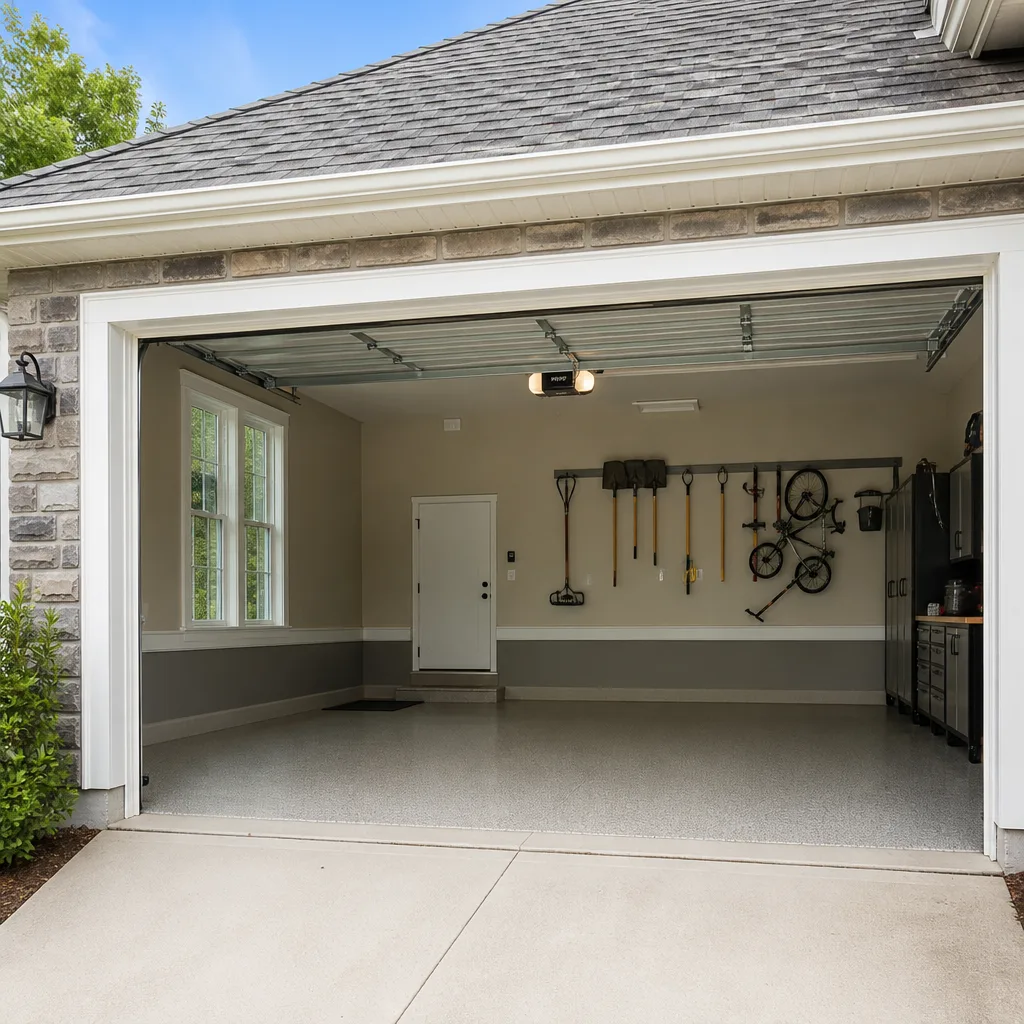
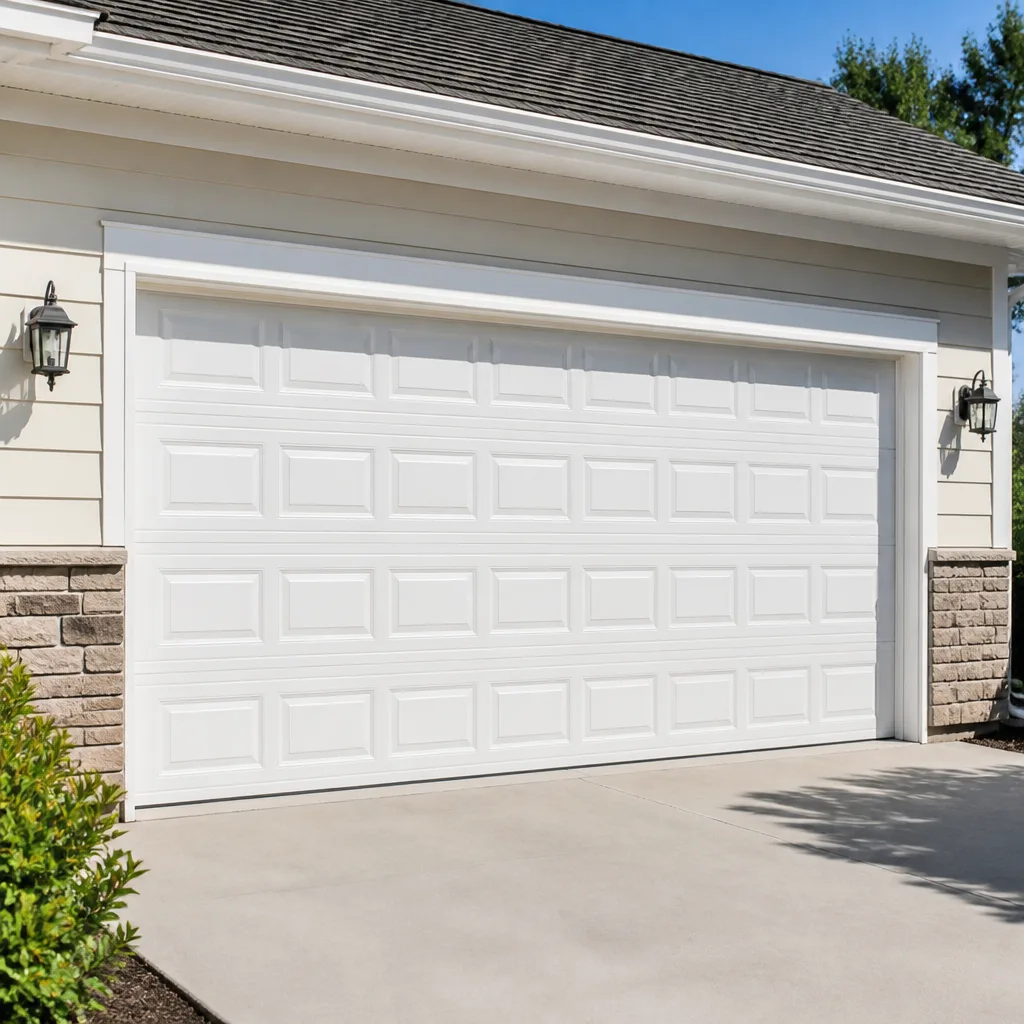 Raised-panel steel
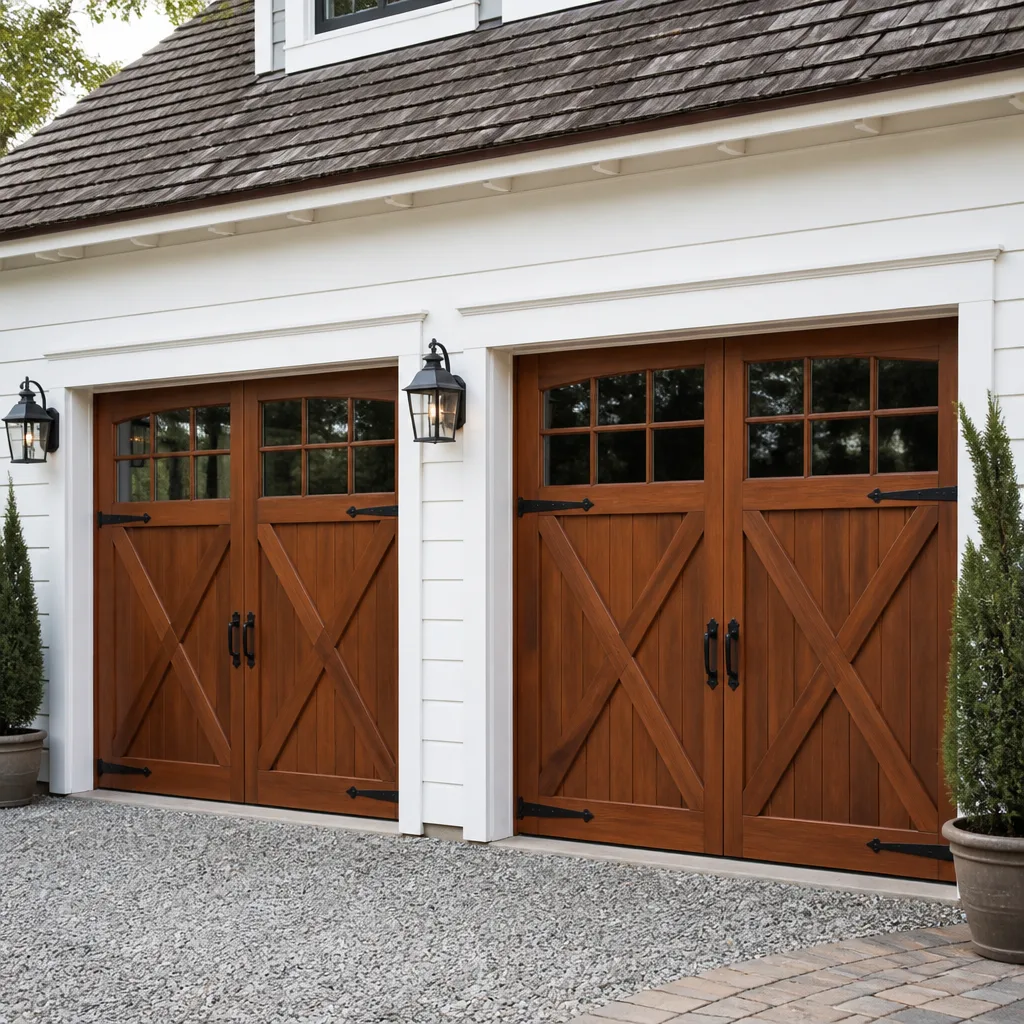 Carriage house
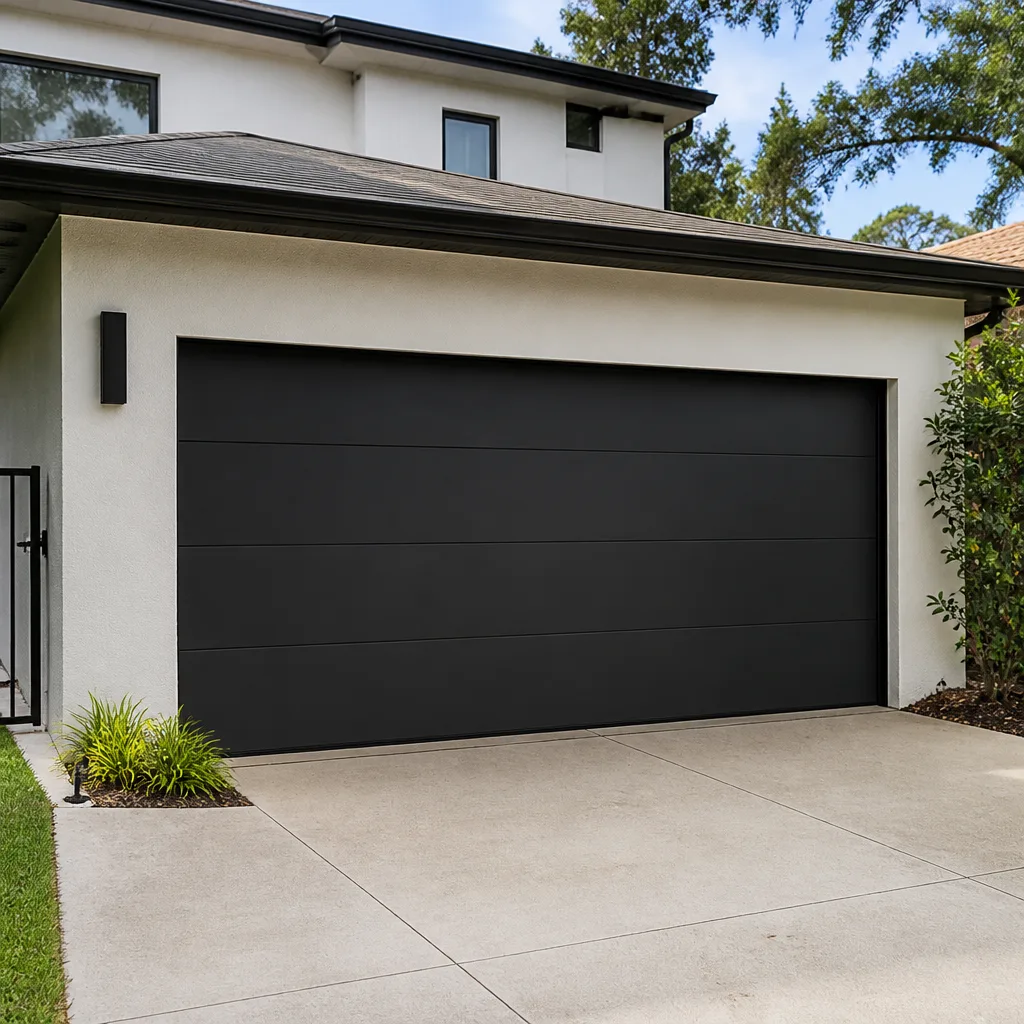 Modern flush
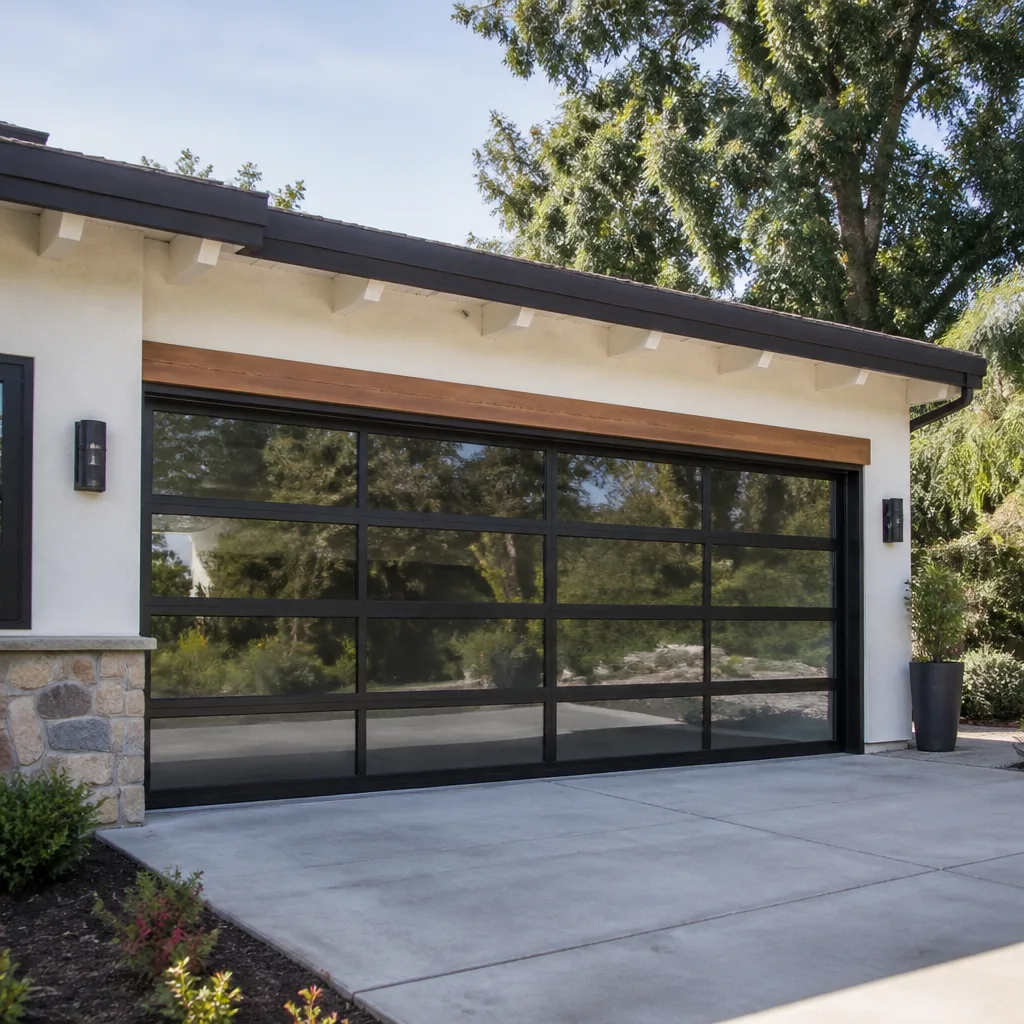 Full-view glass
 LiftMaster openers
 Chamberlain openers
Full 25-point door and opener safety check with every visit - springs, cables, rollers, tracks, and your LiftMaster or Chamberlain opener included
You get a price before we start. It does not change when the truck arrives.
Get your free estimateGarage Door Emergency Preparedness Guide for Beaumont Homes
During the 2020 Valley Fire evacuation in nearby communities, some residents couldn’t get their cars out because their garage door opener had no battery backup and the power was already cut. That’s a $30 fix most people never make until it’s too late. Beaumont sits in a region with real earthquake exposure, wildfire evacuation routes running through residential neighborhoods, and recurring power outage risk. This guide – along with our Garage Door Repair Troubleshooting: Common Problems and How to Fix Them – walks you through exactly what to check, how to test it, and what to fix now so your garage door works when everything else doesn’t.
Quick Answer
Garage door emergency preparedness in Beaumont means four things: knowing how to pull the manual release cord in a power outage, testing your opener’s seismic sensor (required on post-1994 installs), confirming whether you have battery backup and what it actually covers, and making sure the manual key lock isn’t seized. Most of these take under ten minutes to check, and none require special tools.
Styles & brands we work with
- Raised-panel steel
- Carriage house
- Modern flush
- Full-view glass
- LiftMaster openers
- Chamberlain openers
Table of Contents
- How to Operate Your Garage Door Manually in a Power Outage
- Earthquake Disconnect: What the Seismic Sensor Actually Does
- Battery Backup Options for Beaumont Homes
- Wildfire Evacuation: Why a Slow Door Is a Safety Risk
- The Manual Key Lock Override You Probably Forgot About
- Beaumont Power Outage Checklist for Garage Doors
- Common Mistakes to Avoid
- When to Call a Professional
- Frequently Asked Questions
How to Operate Your Garage Door Manually in a Power Outage
Every automatic garage door opener installed in the last 40 years has a manual release mechanism, usually a red cord hanging from the trolley that connects the opener rail to the door. Pulling that cord disengages the door from the opener carriage, allowing you to lift the door by hand. In a power outage, this is how you get your car out. The problem is that most Beaumont homeowners have never pulled that cord, and in the dark, while stressed, they pull the wrong thing or pull it incorrectly.
Here’s the step-by-step that works regardless of whether you have a LiftMaster, Genie, Craftsman, or any other opener:
- Confirm the door is fully closed first. If the door is partially open, do not pull the release cord. A door can slam down hard if the spring is under tension and the opener disengages while the door is elevated. If the door is stuck partially open during a power outage, there’s a spring issue or obstruction, and that’s a call to a professional.
- Locate the red release cord. It hangs from the opener trolley, usually within arm’s reach near the top center of the door when the door is closed. Some older models use a pull-rope that looks like a shorter, thinner cord.
- Pull straight down, firmly, once. You’ll hear a click or feel a release. The trolley has now disengaged from the chain or belt. Do not yank repeatedly. One firm pull is usually enough. On some systems, pulling again re-engages the mechanism.
- Lift the door by hand using the bottom handle or the door’s exterior lift handle. A properly balanced door should lift smoothly with one hand and stay open by itself about three to four feet off the ground. If it’s heavy, hard to lift, or drops once you let go, your springs are worn or broken. That’s a separate repair issue and means the door was already unsafe to operate manually.
- Once the door is up, prop it open if needed. A balanced door should hold itself open, but if there’s any doubt, place a clamp or locking pliers on the track just below a roller to prevent it from sliding down.
- To re-engage the opener when power returns, pull the release cord again while the door is down, then press the wall button or remote once. The trolley will reconnect on the next cycle. Some newer models re-engage automatically on the next full open or close command.
Common mistakes we see with manual release in Beaumont: pulling the cord when the door is open (that’s how doors slam and panels get dented or springs break), pulling the emergency cord on the wall-mounted opener thinking it’s the release (it’s not), and not realizing that some openers re-engage in the open position, meaning the door won’t close even after power returns until you pull the cord again. The manual release is the single most important emergency feature on your door. Test it once. In daylight. Before you need it in the dark.
Earthquake Disconnect: What the Seismic Sensor Actually Does
If your home was built or your opener installed after 1994, California building code – detailed in our Garage Door Permits, Codes & Inspections in CA: What You Need to Know – required a seismic disconnect sensor on automatic garage door openers. This little device, sometimes a small box or a hinged weight attached to the opener rail or wall, is supposed to detect ground motion and automatically disconnect the door from the opener carriage. The idea is that during an earthquake, the door won’t be connected to the motor and can move freely with the shaking rather than binding against a rigid opener rail and knocking itself off its tracks or warping the panel.
Most Beaumont homeowners have never looked for this sensor, and a surprising number of openers in older homes either never had one retrofitted or have a sensor that has seized or been disabled. A sensor that’s stuck is the same as no sensor. You have a false sense of protection.
How to check yours:
- Look for a small plastic or metal box on the opener rail near the motor head, or on the wall adjacent to the opener. Some are built into the rail itself.
- Check for a hinged arm or weight. The sensor should move freely when you tap it lightly with a finger. If it’s stiff, rusted, or painted shut, it won’t trigger during actual shaking.
- Look for a wire running from the sensor to the opener logic board. If the wire is cut, disconnected, or taped off, the sensor has been bypassed.
- If you’re unsure whether your installed opener is even post-1994 compliant, a quick visual check of the motor head label will tell you the manufacture date. Pre-1994 openers with no sensor aren’t necessarily illegal to have, but you should know that you’re operating without that protection.
The seismic sensor doesn’t help you in a power outage and it doesn’t let you open the door after an earthquake. It only prevents the opener from fighting the door during the shaking itself. That’s it. If your sensor is present and moves freely, you’re in decent shape. If it’s missing or seized, you should get it looked at. A technician who knows what the sensor is supposed to do can tell you in about sixty seconds whether yours is functional or decorative.
Battery Backup Options for Beaumont Homes
Battery backup on a garage door opener is exactly what it sounds like: a rechargeable battery that takes over when household power drops, allowing the opener to run the door for a limited number of cycles. Not all openers have this capability. Some have it built in. Some accept an add-on battery kit. Some can’t accept backup power at all, no matter what you do.
Here’s what we see across the brands most common in Beaumont garages:
- LiftMaster and Chamberlain models with a “BBU” or “Battery Backup” designation in the model name have a built-in battery, typically good for 20 to 50 full open/close cycles after a full charge, depending on the model and the weight of your door. These are the most common native-backup openers in newer Beaumont construction.
- Genie openers often accept the Genie Battery Backup unit, a separate box that connects to the opener and provides around 50 cycles. Some newer Genie models include this integrated.
- Craftsman openers, especially older ones from the 2000s and early 2010s, typically have no battery backup option at all. If you have an older Craftsman and backup power matters to you, you’re looking at opener replacement to gain that capability.
- Wayne Dalton openers (which are actually rebadged units from a few manufacturers) have mixed compatibility. Some accept add-on batteries, some don’t. The model number is the only reliable way to know.
- Raynor openers are less common in residential Beaumont but do appear in some mid-2000s homes. Many Raynor residential units have no available backup kit.
Realistic expectations for backup duration: manufacturers quote cycle counts, not hours. A 20-cycle backup means 20 open-and-close operations, which could be spread over several hours or used up in thirty minutes if you’re testing or going in and out. If you use the door twice a day in an extended outage, a 30-cycle backup lasts about two weeks. If you use it six times a day, it lasts under a week. Temperature matters too. Beaumont summer heat in an unconditioned garage shaves battery capacity, and cheap aftermarket batteries degrade faster than original equipment.
One thing most people don’t consider: battery backup only matters if your springs are in working shape. A battery can power the opener motor, but if a spring is broken, the motor is trying to dead-lift a door that weighs 100 to 300 pounds. The battery drains fast, the door may not open, and something else fails under the strain. We’ve seen this in Beaumont during outage-driven calls: homeowner has backup battery, but old springs, and the door still won’t move. Backup power doesn’t fix mechanical wear.
Wildfire Evacuation: Why a Slow Door Is a Safety Risk
In an evacuation, every second counts. You already know that. What you might not have thought through is that your garage door is the single largest moving object in your home and the one you’re most likely to depend on at the exact moment you’re leaving. During the 2020 Valley Fire evacuations, some residents in the San Gorgonio Pass communities couldn’t open their garage doors because power was out and their openers had no backup. They had to leave cars behind or scramble to find the manual release in the dark. That’s the scenario this section addresses.
A garage door that’s slow to respond, intermittently functional, or hesitant isn’t just an annoyance. It’s a failure point at the worst possible time. Here’s what happens:
- Intermittent openers often work fine in the morning and fail in the afternoon heat. Beaumont summer temperatures in the mid-90s and above cause expansion in older circuit boards, especially on openers that are already 12 to 15 years old. The door works, then doesn’t, and you find out which one it is when you’re already late.
- Grinding or binding doors mean rollers or tracks are worn. The opener motor is working harder than it should. That extra strain shortens the motor’s life and increases the chance of a mid-cycle failure right when you’re trying to leave.
- Battery backup that’s never been tested is a coin flip. Batteries degrade over three to five years. If you haven’t triggered a test cycle in the last year, you don’t actually know whether it works.
- Photoelectric sensors misaligned can cause the door to reverse mid-close, stopping you from getting the door down and leaving the house open behind you. In an evacuation, an open garage door is an invitation to opportunistic theft after the neighborhood clears.
The practical fix is simple: run your door through a full open-close cycle today, with the opener plugged into a wall outlet and pay attention to any hesitation, grinding, or uneven movement. Then unplug the opener and do the same with the manual release. If both work, you’re in the top 10% of prepared Beaumont households. If either one fails, you’ve just identified your evacuation weeknight before it matters.
The Manual Key Lock Override You Probably Forgot About
Most residential garage doors built since the 1980s have a manual key lock on the exterior, usually a small keyhole set into the center of the door, connected to a sliding latch that engages the door track. Some are T-handle style. Some are flush-mount cylinders. All of them do the same thing: physically lock the door to the track so the opener can’t lift it and no one can pull it up from outside.
The problem: almost no one in Beaumont uses this lock, and disused locks seize. The Beaumont climate, with its hot dry summers and cold winter nights, isn’t especially hard on metal, but dust from the San Gorgonio Pass and years of zero maintenance do the same work. We see locks on Amarr and Wayne Dalton doors that haven’t been turned in a decade, and the cylinder is frozen solid.
Why this matters in an emergency:
- If your opener is dead and you need to lock the door manually before evacuating, a seized lock means you can’t secure the garage. Most people assume the opener locks the door when closed. It doesn’t. An opener holds the door closed, but a person with a coat hanger and two minutes can usually force the emergency release through the top seal and pull the door up by hand. The manual lock is the only thing that actually prevents that.
- If the lock is engaged and you forget, your door won’t open, even with a functioning opener. The motor will strain, the door will shudder, and in the worst case, a bracket bends or a panel cracks. If your door ever suddenly stops opening and you can’t figure out why, check the manual lock before calling anyone. You might save yourself a service call.
- In a wildfire evacuation where you’re leaving for unknown duration, locking the garage door manually is a real step you can take to slow down or deter entry after you leave. A thief walking through an evacuated Beaumont neighborhood will try the side door first, then the garage. An unlocked garage is the easiest target.
How to keep your manual lock functional: once every six months, squirt a little graphite or silicone spray into the keyhole, insert the key, and turn it back and forth a few times while the door is open. If the key won’t turn at all, don’t force it. Forcing a seized lock snaps the key off in the cylinder, and now you have a bigger problem. A locksmith or a garage door technician who knows the hardware can free a seized cylinder without breaking the key.
Beaumont Power Outage Checklist for Garage Doors
Southern California Edison outages in Beaumont happen for a few predictable reasons: high winds in the pass taking down lines, public safety power shutoffs during red flag fire conditions, and heat-related equipment failures during July and August. None of these are rare. If you want to be ready, here’s the complete checklist of what to do before, during, and after an outage as it relates to your garage door, plus more guides & resources for keeping your home prepared.
- Before outage season (do this now): Test your manual release cord. Test your opener’s battery backup, if equipped. Check that the seismic sensor moves freely. Spray the manual lock with lubricant and work the key. Inspect the door balance by disconnecting the opener and lifting the door manually; it should feel light and stay open on its own. If any of these fail, schedule a repair before you need it.
- When the power goes out: Don’t panic and don’t touch the opener. The opener won’t work without power, and pressing buttons won’t help. If you need the car, pull the release cord once, lift the door by hand, and secure it open if needed. If you don’t need the car, leave the door closed and engage the manual lock if you have the key.
- If the door won’t lift manually: A healthy door lifts with one hand. If it’s heavy or stuck, you have a spring or track problem, not an opener problem. Don’t force it. Heavy doors come down hard and can cause serious injury. This is the time to call someone who repairs springs and cables. High-tension springs and cables store enough energy to cause severe injury or death, and repairing them requires a trained professional with the right winding tools.
- When power returns: First, make sure the manual lock is disengaged if you used it. Then pull the release cord again (if needed) and press the wall button once to re-engage the opener. Test the door through a full cycle. Listen for strain. If the door hesitates or the opener sounds different, it’s worth a diagnostic look.
- After the outage: If your battery backup kicked in, let it recharge for 24 to 48 hours. Note how many cycles you used. If the backup battery is more than three years old, consider replacing it. Most backup batteries have a shorter service life than the opener itself.
Common Mistakes to Avoid
- Pulling the release cord while the door is open. This is the single most common mistake we see in Beaumont. The door drops, the panel cracks, the springs recoil, and you’re looking at a repair that wasn’t necessary. Never pull the release when the door is anything but fully closed.
- Assuming the opener locks the door. It doesn’t. The opener holds the door in place, but a determined thief can bypass the emergency release from outside in under two minutes. If you’re leaving for an extended time, use the manual key lock.
- Testing battery backup by unplugging the opener once and calling it good. A single test cycle doesn’t tell you the battery’s capacity. An old battery may pass one test and fail on the third cycle. Test it with three full open-close cycles, and if it’s over three years old, replace it.
- Ignoring a door that’s slow or noisy because it still works. That’s the warning sign. Doors don’t fix themselves and they don’t get healthier with age. A grinding sound is metal on metal somewhere, and in six months that somewhere will be a broken part.
- Leaving the manual key lock engaged during normal operation. If the lock is turned and you press the opener button, the motor fights the locked door. That’s how bent brackets, stripped gears, and cracked panels happen. If your door suddenly won’t open, check the lock first.
- Forgetting where the release cord is under stress. In a blackout, you’ll be looking for a red cord in the dark. Know where it is now. Put a small piece of reflective tape on it, and keep a flashlight in a known spot in the garage. Sounds minor. Helps enormously.
- Drilling out a seized manual lock. If the key won’t turn, don’t get the power drill. Seized cylinders can usually be freed with penetrating oil and patience, or by a technician with the right tools. Drilling destroys the lock body and means replacing the entire handle assembly.
When to Call a Professional
Some things on a garage door are DIY-friendly. The manual release test, the key lock lubrication, the balance check, the visual inspection of the seismic sensor. Those are all safe with basic caution. Other things are not. Broken springs, frayed cables, bent tracks, opener replacement, and anything involving electrical wiring should stop a homeowner in their tracks. High-tension springs and cables can cause severe injury or death if they let go while you’re working on them. No amount of YouTube prep changes that risk. If the door is heavy, stuck, or the opener is sparking or making a grinding noise that isn’t the rollers, that’s a professional call. Northgate Garage Door Repair offers free estimates in Beaumont. Call (833) 593-7152 and we’ll tell you what’s wrong and what it costs before any work starts. No dispatch fee for the estimate. No surprises.
Frequently Asked Questions
Pull the red emergency release cord hanging from the opener trolley while the door is fully closed, then lift the door by hand using the bottom handle. A balanced door should lift easily with one hand and stay open on its own. If it’s heavy or won’t move, your springs are likely broken and you should call a professional rather than force the door.
Some do, some don’t. LiftMaster and Chamberlain make models with built-in battery backup good for 20 to 50 cycles. Genie offers add-on battery backup kits for many of its openers. Older Craftsman, Wayne Dalton, and Raynor openers generally have no backup option at all. To know for sure, check your model number against the manufacturer’s current compatibility list or ask a technician who works on multiple brands.
A seismic disconnect is a California-required sensor on openers installed after 1994 that detects ground shaking and automatically disconnects the door from the opener carriage so the door can move with the earthquake rather than fighting a rigid rail and knocking itself off its tracks. It doesn’t allow remote operation during an earthquake and doesn’t help in a power outage. Its only job is to decouple the door from the motor during shaking.
Test the manual release and the manual key lock every six months. Test the battery backup quarterly, or at minimum before red flag fire season. Check the seismic sensor for free movement twice a year. Beaumont’s high winds and fire weather patterns mean these aren’t theoretical scenarios, so six months is the right cadence.
Depends on the opener. Some LiftMaster and Chamberlain models from the 2010s accept add-on battery kits. Most Genie openers do. Older Craftsman and many Wayne Dalton and Raynor units don’t. If backup power matters to you and your opener has no compatible kit, opener replacement is the only route. Don’t buy a generic aftermarket battery expecting it to work with any opener. The voltage and connector specs vary significantly.
First, check the manual lock. If it’s engaged, disengage it with the key. If the power is out, pull the release cord and lift the door by hand. If the door is heavy, stuck, or the opener made a grinding noise before it stopped, don’t force anything. That’s a spring or track failure, not an opener problem. Get your household out through another door if needed and address the garage door once you’re safe. Call (833) 593-7152 for an exact fix assessment and free estimate.
The Bottom Line
Garage door emergency preparedness in Beaumont comes down to five things you can check today: the manual release cord, the battery backup, the seismic sensor, the manual key lock, and the door’s overall balance. Four of those five take under ten minutes to test. None of them require tools. The barrier isn’t complexity, it’s that most homeowners don’t think about the garage door until it fails at the worst moment. Don’t be that person during the next wind event or red flag evening. Test the release cord. Work the manual lock. Check that sensor. If anything fails, get it looked at before you need it. Start with our Garage Door Repair in Beaumont guide to understand what repairs cost, or call us at (833) 593-7152 for a free estimate.
Written by the team at Northgate Garage Door Repair, serving Beaumont since 2015.
Northgate Garage Door Repair home | Garage Door Opener Repair in Beaumont | Garage Door Installation in Beaumont
See the difference
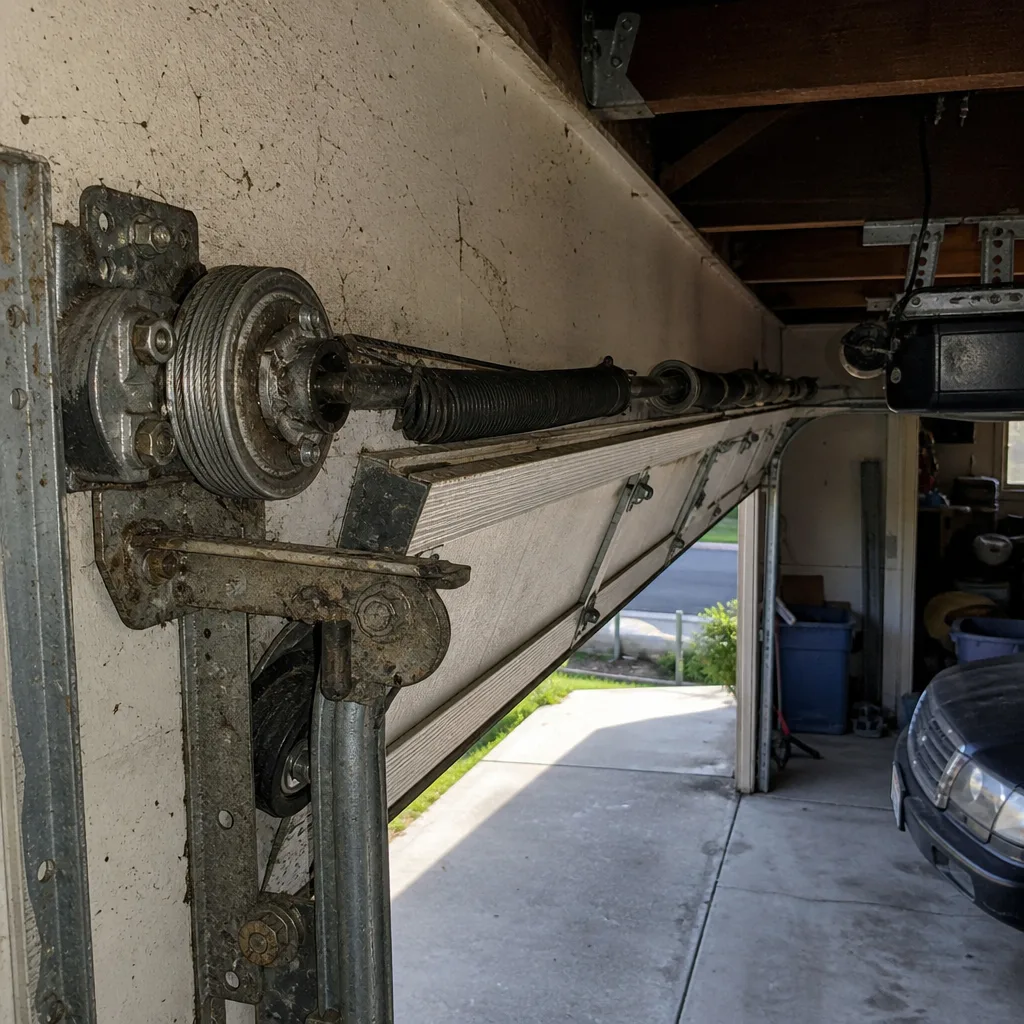 Before
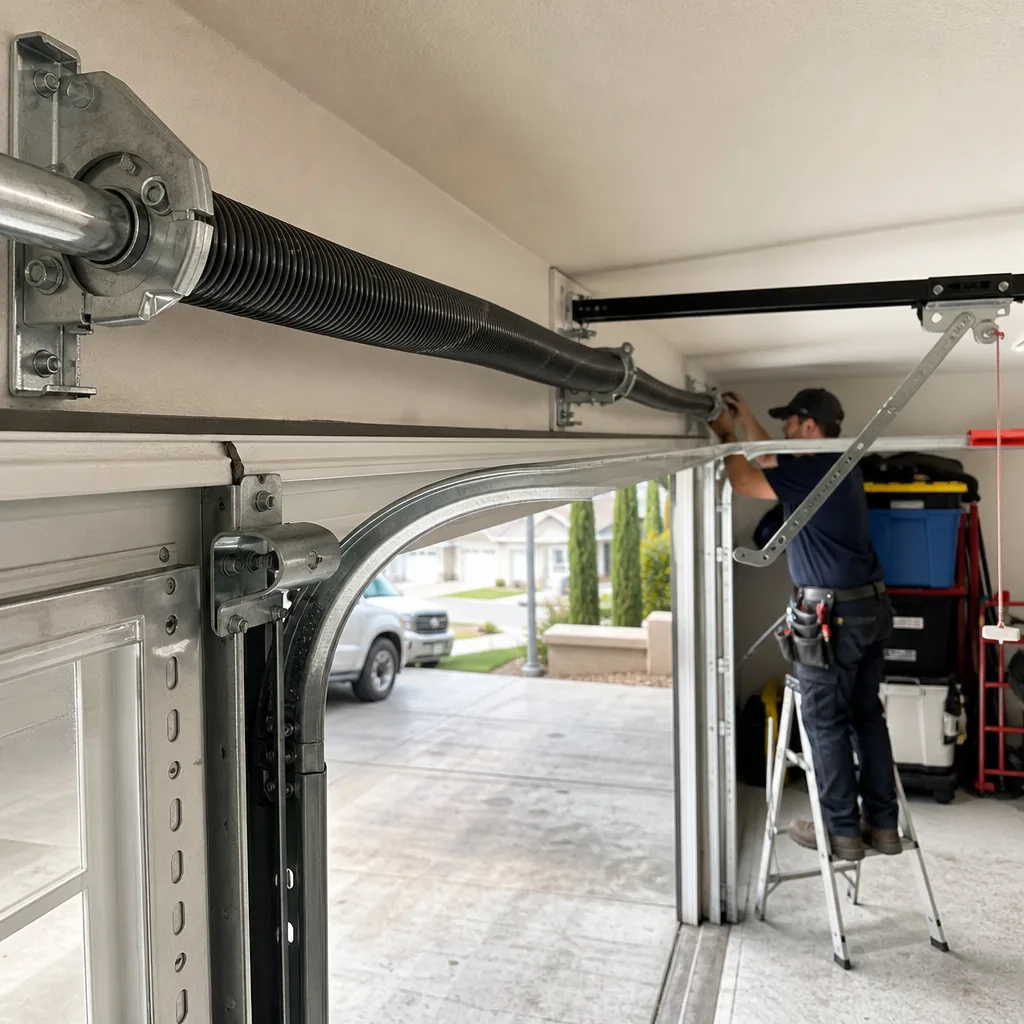 After
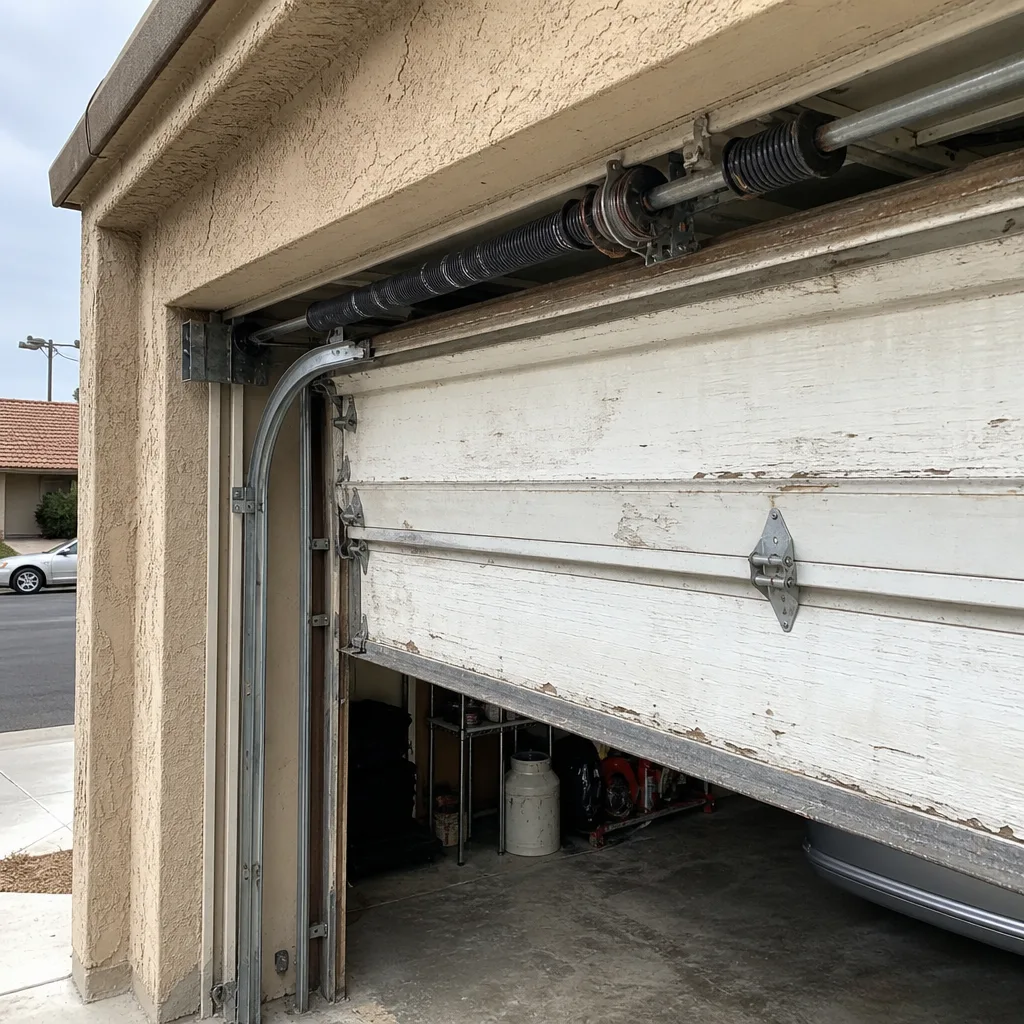 Before
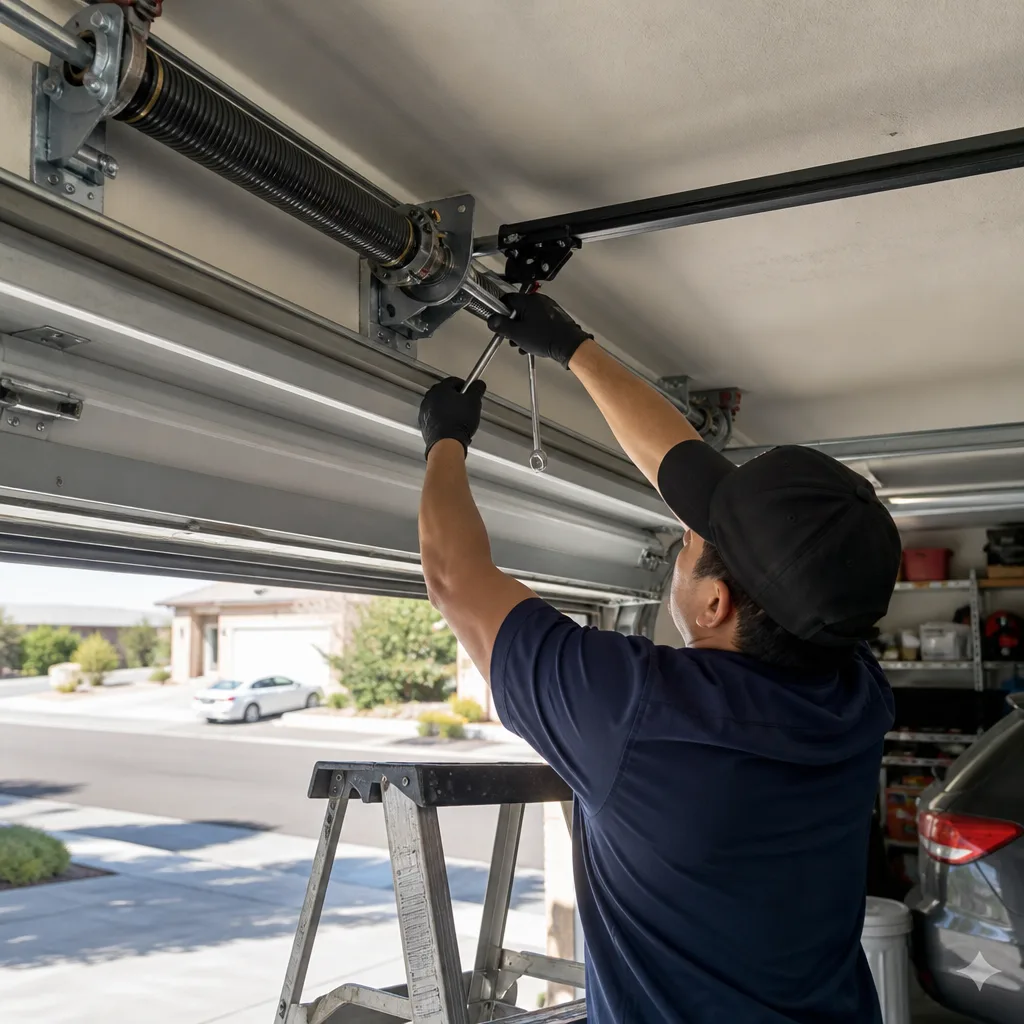 After
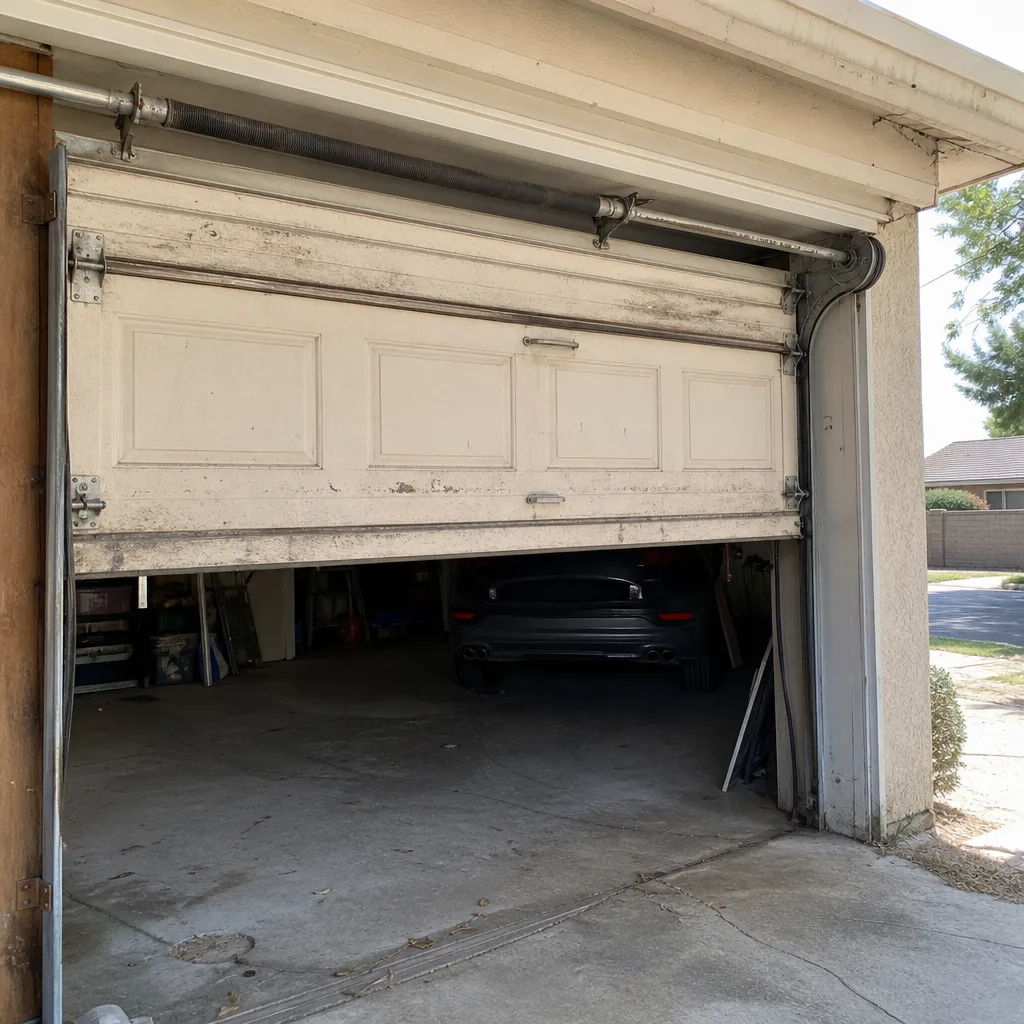 Before
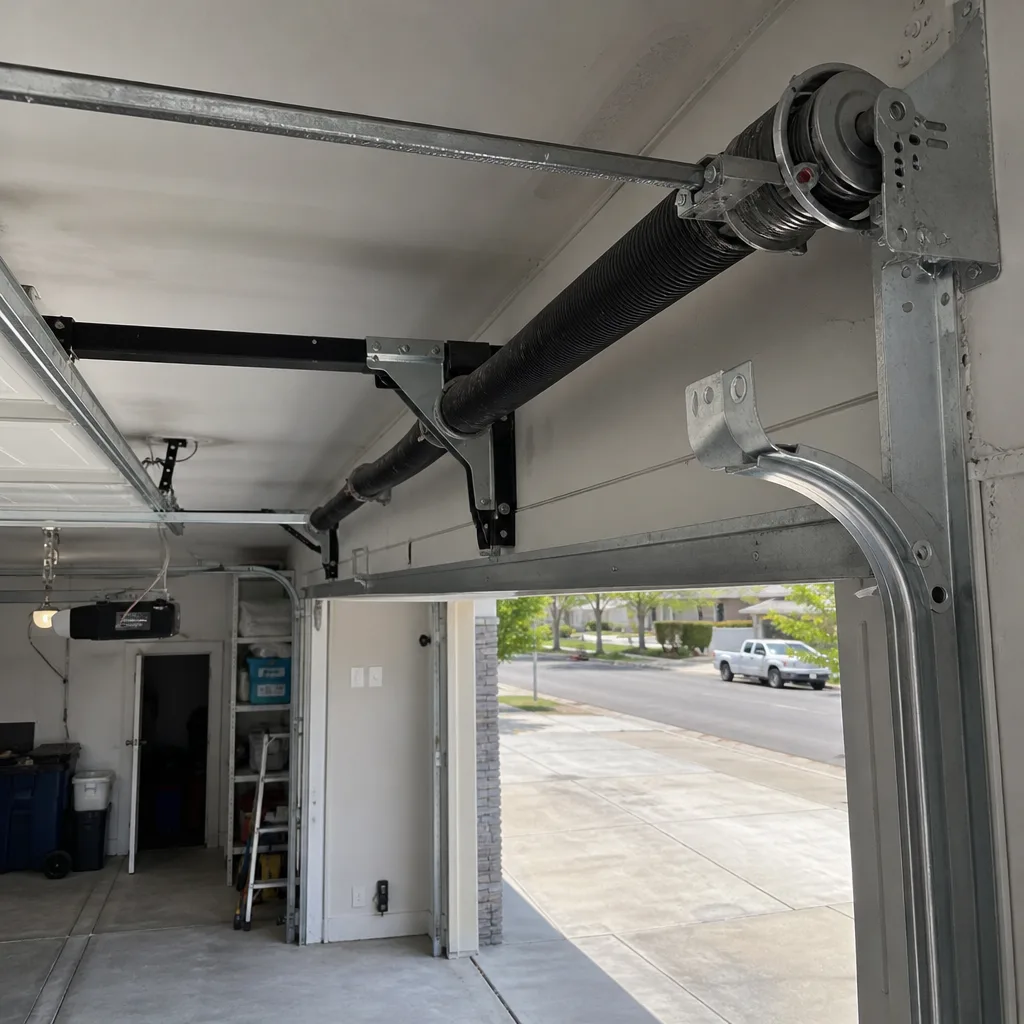 After