
Last updated November 2, 2026
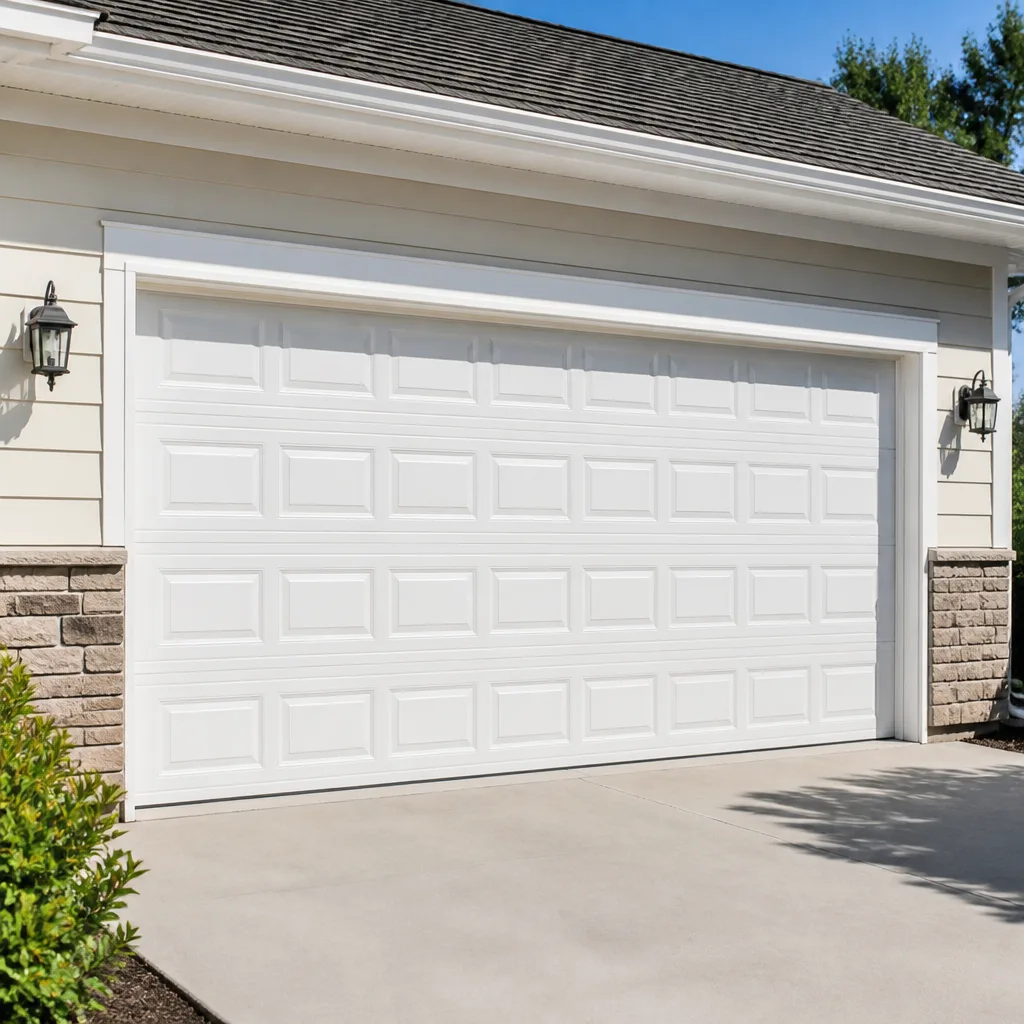 Raised-panel steel
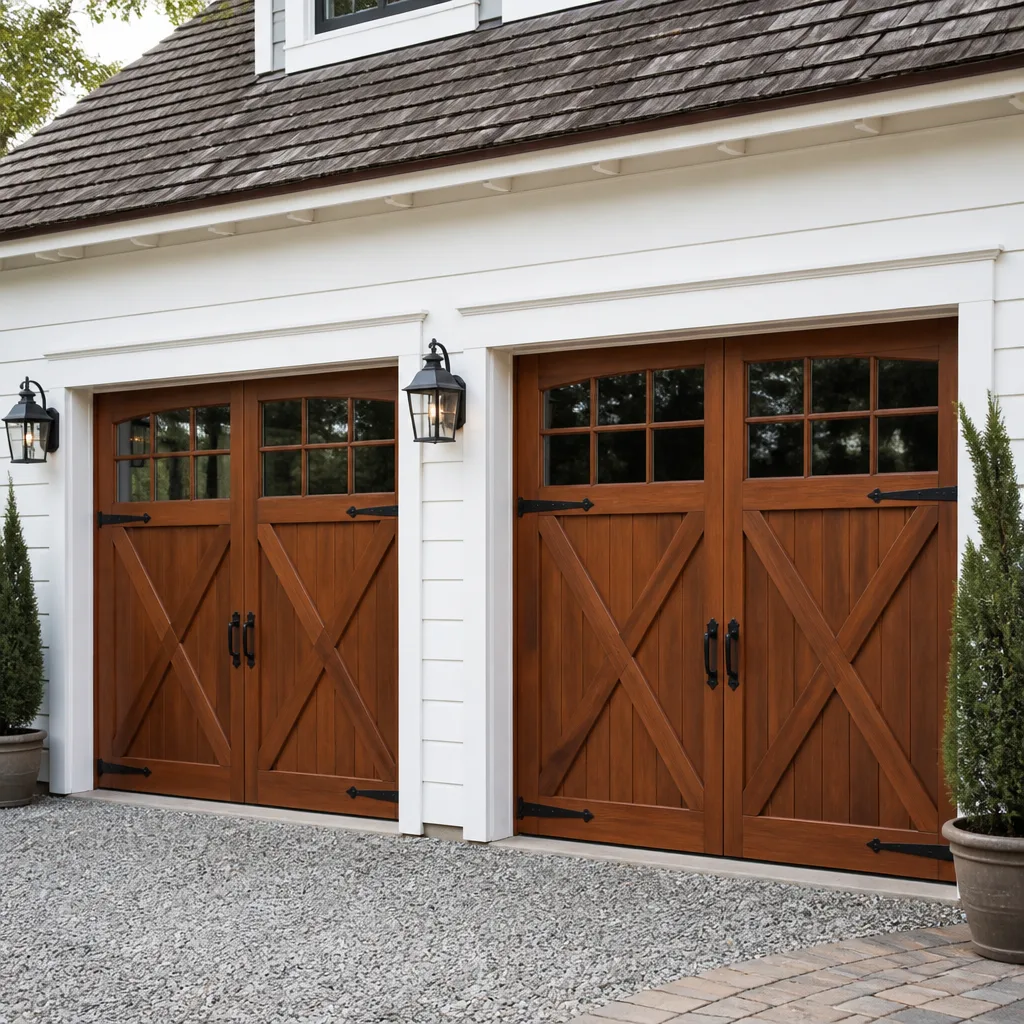 Carriage house
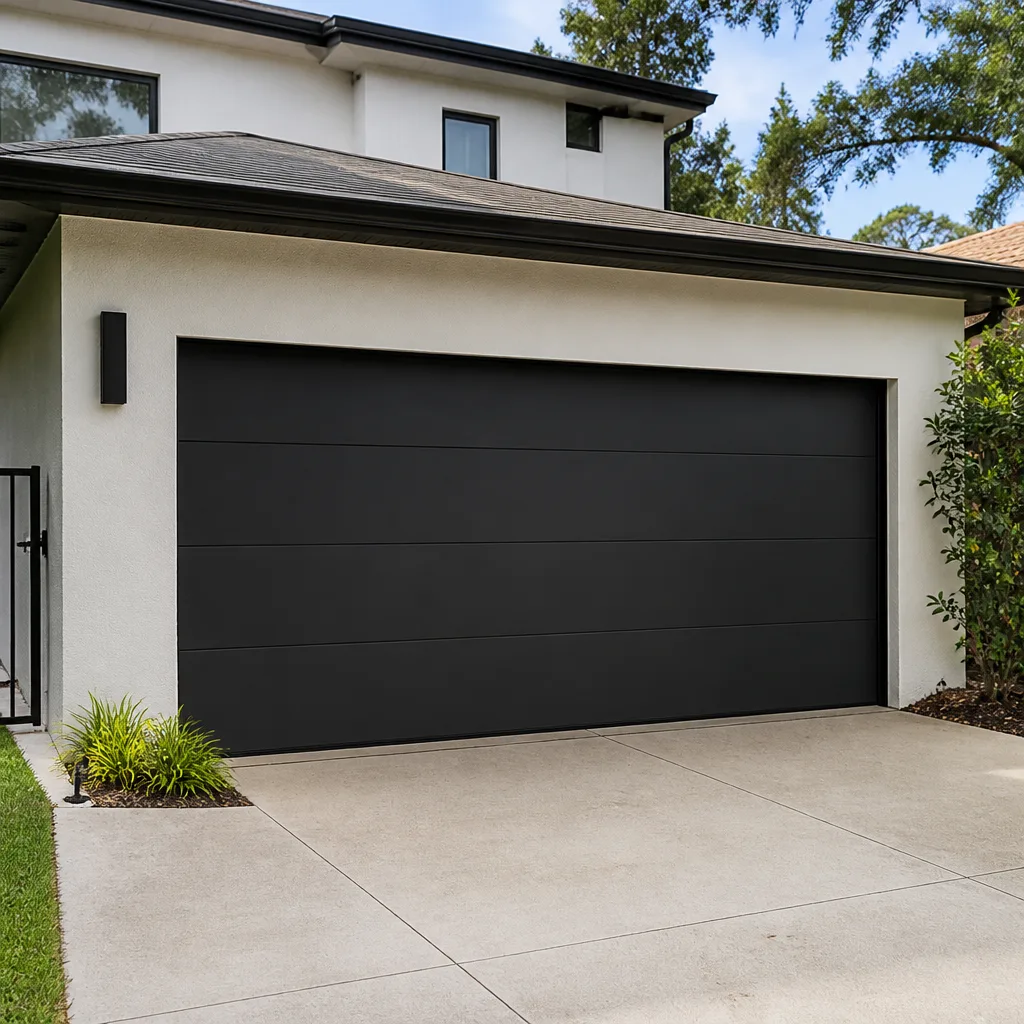 Modern flush
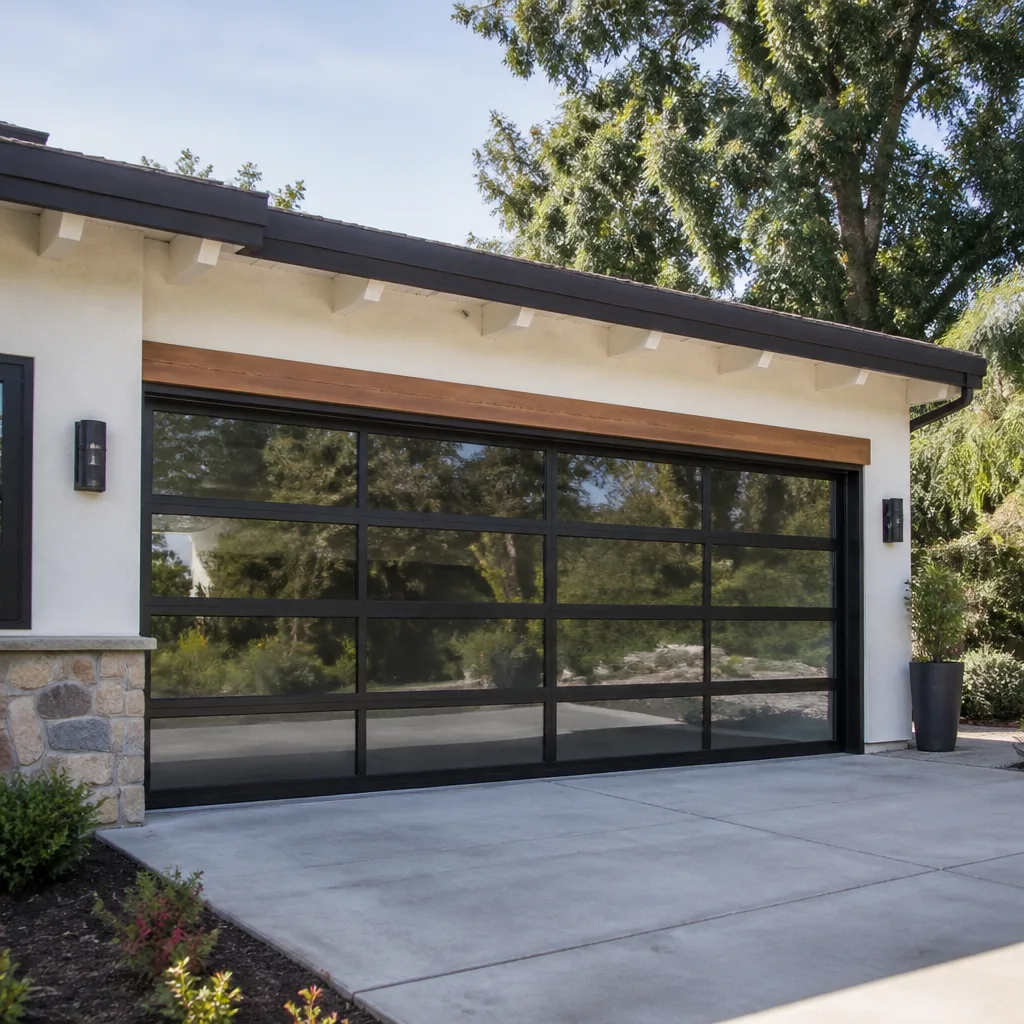 Full-view glass
 LiftMaster openers
 Chamberlain openers
Full 25-point door and opener safety check with every visit - springs, cables, rollers, tracks, and your LiftMaster or Chamberlain opener included
You get a price before we start. It does not change when the truck arrives.
Get your free estimateGarage Door Repair Troubleshooting: Common Problems and How to Fix Them
The squeaking you ignored last month and the door that won’t open today are almost always the same problem. You just missed the first three warning signs because nobody ever told you what order garage doors fail in. In Beaumont, where summer heat bakes steel springs and winter rain swells wooden frames, that failure sequence accelerates faster than most homeowners realize. This guide walks you through the chain reaction behind every common garage door breakdown, teaches you how to read the Garage Door Warning Signs: A Beaumont Homeowner’s Reference Guide before they become emergencies, and gives you the tools to know exactly what’s wrong before you ever pick up the phone.
Quick Answer
Most garage door problems follow a predictable failure chain: worn rollers create friction, friction strains springs, strained springs overload cables, and overloaded cables drop the door. You can identify your stage in the chain in under five minutes using the balance test and basic observation we outline below. For anything involving springs, cables, or a door off its track, stop using the door and call our Garage Door Repair services at (833) 593-7152 immediately.
Styles & brands we work with
- Raised-panel steel
- Carriage house
- Modern flush
- Full-view glass
- LiftMaster openers
- Chamberlain openers
Table of Contents
- The Failure Chain: How Garage Doors Actually Break
- The 60-Second Balance Test That Reveals Spring Problems
- Opener vs. Door: Isolating the Real Culprit
- What That Noise Actually Means: A Decoder
- Intermittent Problems Decoded: Why Your Door Works Sometimes
- Red-Line Symptoms: Stop Using the Door Now
- What You Can Safely Fix Yourself (and What You Shouldn’t)
- Brand-Specific Quirks We See in Beaumont Garages
The Failure Chain: How Garage Doors Actually Break
Garage doors rarely fail all at once. They fail in sequence, like dominoes, and understanding that sequence is the difference between a $25 roller replacement and a $500 emergency repair. Here’s the chain we’ve seen hundreds of times in Beaumont garages from Cherry Valley to Sundance:
Step one: a roller wears out. Rollers are the wheels that guide your door along its tracks. Nylon rollers last 10-15 years. Steel rollers last 5-8. When a roller starts to degrade, it adds friction to the system. You’ll hear a rough, grinding sound, but the door still opens. Most people ignore this for months.
Step two: the door shifts slightly. With one roller dragging, the door begins to ride unevenly. Maybe it’s a quarter-inch off at the bottom. Maybe you notice a slight hesitation halfway up. This is the “it still works” phase, and it’s the most dangerous, because the compensating forces are already at work.
Step three: spring strain accelerates. Your torsion springs are calibrated for a balanced door. When the door starts riding unevenly, the springs absorb that imbalance. One spring works harder than the other. The harder-working spring starts losing its temper faster. You might notice the door feels heavier than it used to, or it sags when you release it manually.
Step four: cable fraying begins. As springs fatigue, cables pick up slack or, worse, extra tension. The cable on one side starts to unravel, one strand at a time. You can see this if you look closely at the cable drum near the top of the door. Frayed cables hold until they don’t.
Step five: the failure event. A cable snaps. Or a spring breaks with a sound like a gunshot. Or the door comes off its track entirely. Suddenly, a 150 to 400 pound door is hanging at an angle, or not moving at all. What felt like an “out of nowhere” breakdown was actually building for six to twelve months.
Here’s the point: every step in this chain costs less to fix than the step after it. A roller replacement in Beaumont typically runs $100 to $180. A broken torsion spring runs $200 to $350. A door off its track with bent panels can push past $600, sometimes requiring full replacement. Catching the problem at step one isn’t just smart maintenance, it’s real money.
The 60-Second Balance Test That Reveals Spring Problems
Your garage door springs are doing the actual lifting, not the opener. The opener just guides the process. If your springs are failing, your opener works harder with every cycle, and eventually it burns out. Here’s how to check your springs in under a minute, no tools required:
- Pull the emergency release handle on your opener. This disengages the door from the motor. The red handle hangs from a rope near the top of the door.
- Lift the door manually to about waist height, roughly three feet off the ground.
- Let go gently. Keep your hands near the door in case it moves suddenly, but don’t hold onto it.
- Watch what happens.
What the results tell you:
- Door stays put: Your springs are balanced and doing their job. Any problems you’re having are likely opener-related or track-related.
- Door drifts down slowly: Springs are losing tension. You’ve got weeks, not months, before this becomes a bigger problem.
- Door drops quickly: Springs are failing or already broken. Stop using the door and call for repair. A dropping door is a hazard to anyone or anything underneath it.
- Door rises on its own: Oversprung, which sounds fine but actually wears out the bottom seal and creates rattling. Still a spring issue, just the other direction.
In Beaumont’s heat, we see garage door springs lose their temper faster than manufacturers expect. Most springs are rated for 10,000 cycles, which translates to about 7-10 years for a door opened twice daily. If a spring has visible gaps between coils, or you can see rust pitting on the surface, it’s on borrowed time regardless of what the balance test says. We’ve replaced springs in doors as young as five years old in areas like Oak Valley because of the combined heat and humidity exposure.
One honest note: torsion springs, the ones mounted horizontally above the door opening, are under enough tension to remove fingers or worse. Do not attempt to adjust, replace, or even inspect them closely. The balance test is safe. Anything beyond that is a job for someone with the winding bars and the training to use them. Our team at Northgate Garage Door Repair handles spring work daily across Beaumont, and even with proper tools, most technicians consider it the most dangerous part of the trade.
Opener vs. Door: Isolating the Real Culprit
When your garage door won’t move, the first question is simple: is the opener failing, or is the door itself the problem? Misdiagnosing this wastes time and can lead to replacing a perfectly good motor while the actual issue, a binding track or a broken spring, persists. Here’s how to isolate the fault in about five minutes:
Test one: disengage and lift manually. Pull the emergency release and try to lift the door by hand. If the door is heavy, hard to move, or won’t stay open, the problem is the door mechanism (springs, rollers, or track). The opener may be fine. Every attempt by the motor to lift an unbalanced or binding door is damaging that motor further.
Test two: listen to the opener. With the door disengaged, press the wall button. Does the motor run? Does the chain or belt move smoothly? If yes, the opener’s drive train works, which points back to door resistance. If the motor hums but nothing moves, the drive gear or belt may be stripped. If nothing happens at all, you’re looking at a logic board or power supply issue.
Test three: check the lights and sensors. Modern openers flash their LED lights in specific patterns to communicate faults. On a LiftMaster or Chamberlain opener, one flash often means sensor misalignment. Four flashes typically signal a sensor obstruction. Five flashes can indicate overheating. Your owner’s manual has the specific codes for your model. This is why brand familiarity matters: a technician who knows your specific system’s flash codes can often diagnose over the phone. We work on LiftMaster, Chamberlain, Genie, Craftsman, Raynor, and most other brands installed in Beaumont homes, so we don’t have to guess at the code patterns.
The most common false diagnosis we see is a homeowner replacing an opener when the real issue was never the opener at all. A door that hangs heavy from a worn spring makes the opener strain, overheat, and eventually fail. But replacing the opener without fixing the spring just destroys the new opener within a year. The repair-first approach that our business practices means checking the mechanical system before ever recommending new equipment. Garage door opener repair in Beaumont should always start with confirming the door itself is balanced and moving freely.
What That Noise Actually Means: A Decoder
Garage doors talk. Every sound they make indicates a specific problem, and the sooner you learn the language, the sooner you can catch issues at the cheap stage. Here’s what we hear most often in Beaumont garages:
Grinding or scraping during operation: This almost always means roller or track wear. The roller bearings are shot, or the track has accumulated grit and grime that’s being ground into the metal. In Beaumont’s dry summers, dust blows in under the door and settles on the track. Left too long, that grinding sound smooths into a scrape, and the scrape means the track itself is getting worn. A worn track is a bigger repair than a worn roller.
Rattling when the door moves: Loose hardware, usually. The bolts holding the track brackets to the wall or ceiling work themselves loose over time. This one is actually a safe DIY fix: with the door closed and the opener unplugged, snug up any visibly loose nuts and bolts. Don’t overtighten, just firm them up. If the rattling persists, it’s likely the door sections themselves vibrating, which often means weak spring tension letting the door bounce instead of glide.
Popping or banging from the spring area: Torsion springs make a distinct sound when they’re binding, especially if they’ve been exposed to moisture. It’s often followed by the door stuttering instead of moving smoothly. Springs don’t pop when they’re healthy. This noise means the spring is catching on itself or the shaft, and it needs a professional look before it snaps catastrophically.
Squealing from the opener unit: The drive gear or belt is struggling. On chain-drive openers, squealing often means the chain needs lubrication or tension adjustment. On belt-drive models, it can indicate the belt is fraying. Either way, the longer the motor runs like this, the sooner it burns out. One way to extend the life of your opener: have the drive system inspected annually, especially if your garage sees heavy daily use.
A hard metallic snap when the door refuses to move: That’s a spring breaking. It sounds like a firecracker or a hammer hitting metal. If you hear this, the door won’t open no matter how many times you press the button, and you should not try to force it. A broken spring means the door’s weight is entirely unsupported. Call a professional immediately.
The takeaway: noises are diagnostic information, not just annoyances. A homeowner who calls at the first grinding sound often pays under $200. A homeowner who waits until the door won’t open is likely paying triple that. We’d rather talk you through a minor adjustment at Northgate Garage Door Repair home than see you stuck with an emergency repair you could have avoided two months earlier.
Intermittent Problems Decoded: Why Your Door Works Sometimes
Intermittent problems are the most frustrating, because the door works fine when the technician arrives and then fails again the next morning. But intermittent failures aren’t random. They follow patterns, and learning to read the pattern is half the diagnosis.
Door reverses right after touching the floor: This is almost always a limit setting problem or an obstacle detection issue. The opener thinks the floor is closer than it actually is, so it reverses when the door hits the ground because it believes it’s hitting an obstruction. If your door closes fully, then immediately reopens six inches, your close limit needs adjustment. On newer LiftMaster and Chamberlain models, this is done through the wall control panel settings. On older mechanical models, it’s a screw adjustment on the opener itself.
Door reverses midway down, but only sometimes: Check the safety sensors at the bottom of each track. They need to be aligned, facing each other, and free of dirt or spider webs. In Beaumont garages, sensors get knocked out of alignment by bikes, trash cans, and kids, then drift back into alignment on their own. The fix is often as simple as straightening the sensor or cleaning the lens. If one sensor’s light is solid and the other is blinking, that’s your misaligned unit.
Wall button works but remote works intermittently: Multiple possibilities. Check the battery first, always. Then check for interference: LED bulbs installed near the opener (including in the opener itself) can emit frequencies that scramble remote signals. We’ve seen this dozens of times in Beaumont, especially with newer LED garage lights. Swap to a garage-rated LED and the problem often disappears. If only one remote works, the issue is that remote’s board, and replacement is cheap.
Remote works but wall button dead: The wiring between the button and the opener has a break or short. This happens in garages where the wire runs through a wall that’s been punctured by screws or nails, or where rodents have chewed through. It’s a low-voltage wire, so it’s safe to inspect, but tracing a break inside a wall is fiddly work.
Opener works from the car but not the front driveway: Range issue, usually. It can be antenna-related on the opener, or interference from nearby electronics. If the problem started after you installed a new device in the garage (a fridge, a Wi-Fi booster, a security system), that’s your culprit. Moving the opener’s antenna wire or slightly repositioning the opener can help. This is one of those problems we diagnose by asking the right questions about timing: when did the problem start, and what changed in that same week?
The keys to intermittent diagnosis: note what specifically works and what doesn’t, when the failure happens, and whether anything in the garage changed recently. Those details tell a technician more than a generic “it’s acting up.” If you’re in Beaumont and need garage door repair, having these observations ready saves you money on diagnostic time.
Red-Line Symptoms: Stop Using the Door Now
Some garage door problems are safe to monitor for a week or two. Others mean the door should be treated as a hazard until a professional arrives. Here’s the distinction, because using a door that’s in the danger zone risks the door, your car, and the person standing underneath it.
Stop using the door immediately if:
- A cable is visibly frayed or has snapped. The door will likely drop unpredictably, and the remaining cable is under strain that will fail next.
- The door is off its track, even slightly. Tracks guide the door. A door off its track can wedge, bend panels, or fall entirely.
- A spring is broken. You’ll know by the gunshot sound or the visible gap in the spring coil above the door. A door with one broken spring can still open when the opener forces it, but the uneven load damages the opener and risks a sudden drop.
- The door has hit a person, pet, or vehicle. Even if it seems to work now, the incident means the safety systems are compromised. The photo-eye sensors are misaligned or the force settings are too aggressive. The entire system needs recalibration.
- The door is heavily dented or the bottom panel is buckled. Structural damage changes the door’s balance and creates stress points that progress rapidly.
Safe to monitor for up to two weeks:
- A mild new noise that doesn’t seem to affect operation. Note when it happens and whether it worsens.
- A remote that’s losing range. Replace batteries, check for interference, and see if it stabilizes.
- A door that’s slightly slower than it used to be without any other symptoms. This can be a weakened spring, but if the balance test passes, it’s often just a maintenance issue like dry rollers.
- A weather seal that’s starting to wear. Replace when convenient, especially before Beaumont’s rainy season.
When in doubt, err on the side of caution. If you’re unsure whether your door falls in the safety zone or the danger zone, call us at (833) 593-7152 and describe what you’re seeing. We’ll tell you straight whether the door is safe to use until a scheduled appointment or whether you should leave it down until we arrive.
What You Can Safely Fix Yourself (and What You Shouldn’t)
We believe in transparency, including being honest about what a homeowner can handle without professional help. There are real maintenance tasks you can do in an afternoon. There are also tasks that will put you in the hospital if you attempt them without training and proper tools. Here’s the honest breakdown:
Safe DIY tasks:
- Lubricating rollers, hinges, and the track with a silicone-based garage door lubricant. Don’t use WD-40, which is a degreaser and actually removes lubrication.
- Tightening loose bolts and brackets on the track system. Use a socket wrench, and don’t overtighten.
- Cleaning and aligning the safety sensors. A soft cloth and a level are all you need.
- Replacing weather stripping along the bottom of the door. It slides into the channel and can be cut to length with tin snips.
- Replacing a remote control battery or programming a new remote following the manufacturer’s instructions.
- Painting or sealing a wooden door panel, which Beaumont’s wet winters make necessary every few years.
Leave these to a professional, always:
- Anything involving torsion springs: adjustment, replacement, or even close inspection while under tension. These springs hold enough force to snap bones. Every year, homeowners are seriously injured attempting spring work.
- Cable replacement. Cables are under tension whenever the door is closed, and the process of replacing one involves careful slack management. A mistake here drops the door.
- Track realignment. It looks simple, but the track is load-bearing. An improperly aligned track creates the exact failure chain we described at the top of this guide.
- Opener motor replacement or logic board work. Openers combine mains voltage, moving parts, and electronic controls. A wrong connection can burn out the unit or create a fire hazard.
- Door panel replacement. The panels and the springs are calibrated as a system. Swapping panels changes the weight, which changes the balance, which requires spring adjustment or replacement.
If you’re uncertain which category your problem falls into, call us. We’ll tell you plainly whether it’s a DIY afternoon or a service call, and we won’t charge you for that advice. That’s how a full-service garage door company in Beaumont should operate, and it’s one reason our customers call us first when something’s wrong.
Brand-Specific Quirks We See in Beaumont Garages
Most troubleshooting guides treat all garage doors as identical. They aren’t. Different manufacturers have different weak points, and knowing which brand is in your garage tells you what to watch for. Here’s what we’ve observed working on the full range of brands installed throughout Beaumont:
Wayne Dalton doors: Many Beaumont homes built in the 1990s and 2000s have Wayne Dalton systems, and most of those use the TorqueMaster spring system, which is completely different from the standard torsion spring. If your door has a tube above it instead of a visible spring coil, that’s a TorqueMaster. These systems are self-contained and less dangerous to work on, but they also have proprietary components that a generalist often doesn’t stock. We see these fail gradually, with the door losing tension over months rather than snapping suddenly. If you have a Wayne Dalton and your door is getting heavy, get it checked early because the internal components are harder to access once they’ve failed completely.
Craftsman openers: Craftsman built millions of chain-drive openers, and many are still running in Beaumont garages today. Their common issue is the plastic drive gear inside the motor housing. It wears smooth over time, especially if the door has been running heavy due to a spring problem. The symptom is a motor that runs but doesn’t move the door. Some owners replace the gear, but on a 15 to 20 year old opener, the smarter move is often replacing the whole unit with something current. We’ll tell you the honest math either way.
Raynor doors: Raynor makes a solid product, but their paint finish on older models tends to fade unevenly in harsh sun. Beaumont get plenty of direct exposure, so we see Raynor doors from the early 2000s with significant fading and occasional surface rust at the panel edges. Structurally, these doors last a long time. The common failure is in the bottom rubber seal, which dries out and cracks in the heat, letting water under the door during winter storms. It’s an easy replacement if you catch it before the wood subframe starts swelling.
LiftMaster openers: LiftMaster dominates the current Beaumont market, and most modern units are impressively reliable. Their weak point is the logic board, especially in garages that see power surges or lightning strikes during summer thunderstorms. If your LiftMaster opener is unresponsive and the power source checks out, the board is often the culprit. We carry boards for the most popular models in our service vehicles and can usually complete that repair in a single visit.
This is why brand-agnostic experience matters. A company selling only one brand will always recommend that brand. Our shop is certified across eight major manufacturers, including all the ones we just mentioned, because we work on the door and opener you already have, not the one we’re incentivized to sell you. That’s the difference between a sale and a solution.
Common Mistakes to Avoid
- Keeping spare remote batteries in the garage: Batteries degrade in Beaumont’s heat, so that “spare” in your garage cabinet may be dead when you need it. Store batteries indoors in climate control.
- Lubricating with the wrong product: WD-40 and other general purpose sprays strip the factory lubrication from rollers and hinges. Use a silicone or lithium-based garage door specific lubricant.
- Adjusting the limit settings when the door is actually unbalanced: If your door is fighting a weak spring, changing the opener’s force or limits masks the problem while damaging the motor. Check the balance first.
- Ignoring a fraying cable because the door still works: We’ve said it before in this guide, but it’s the single most expensive mistake we see. A cable spotter’s warning is cheaper than a cable’s failure.
- Attempting spring work with improvised tools: There is no safe way to adjust a torsion spring without proper winding bars. Every year, homeowners end up in emergency rooms because they tried to save a few hundred dollars.
- Assuming a loud door is normal: It’s common, but it’s not normal. A properly maintained door is quiet. Noise is information. Listen to it.
- Waiting until the door won’t open to call for service: By the time the door won’t move, the repair is always more expensive than it would have been a month earlier. This is the entire point of the failure chain we opened with.
See the difference
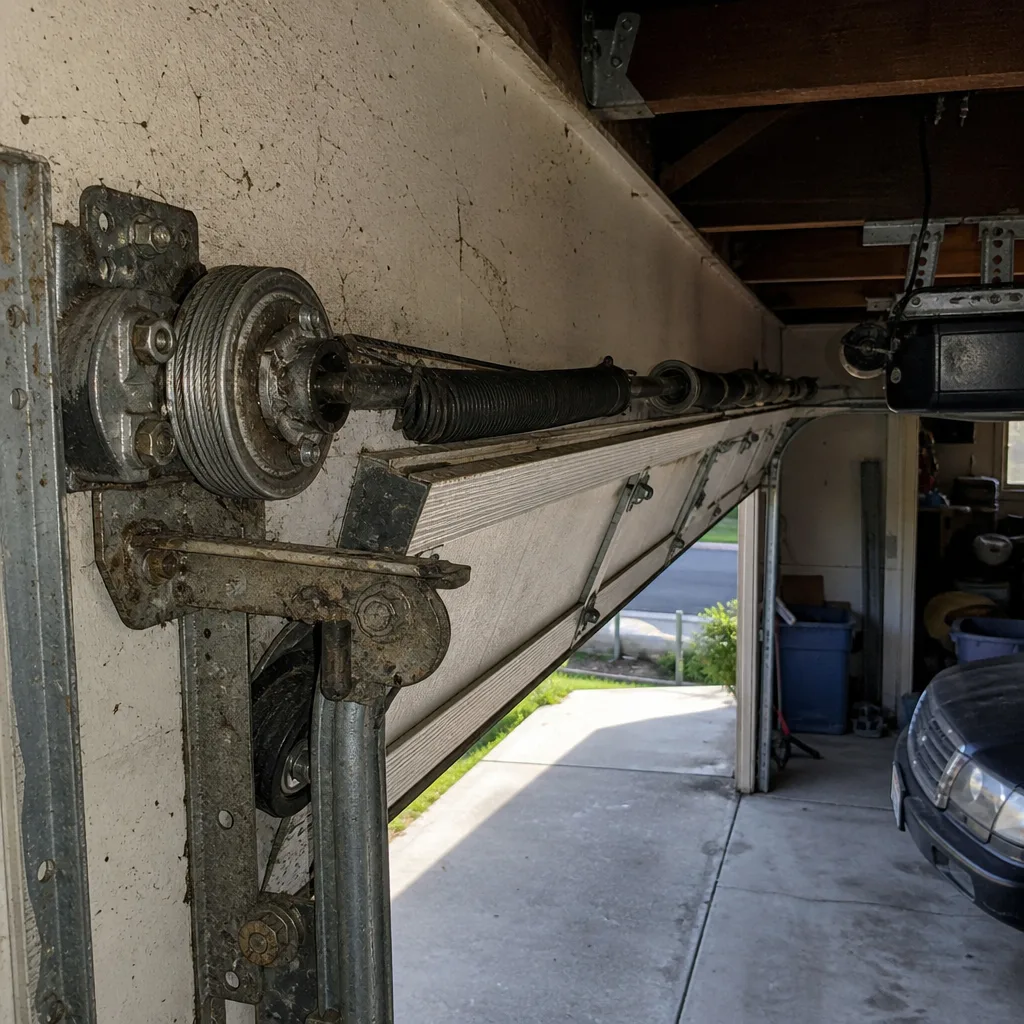 Before
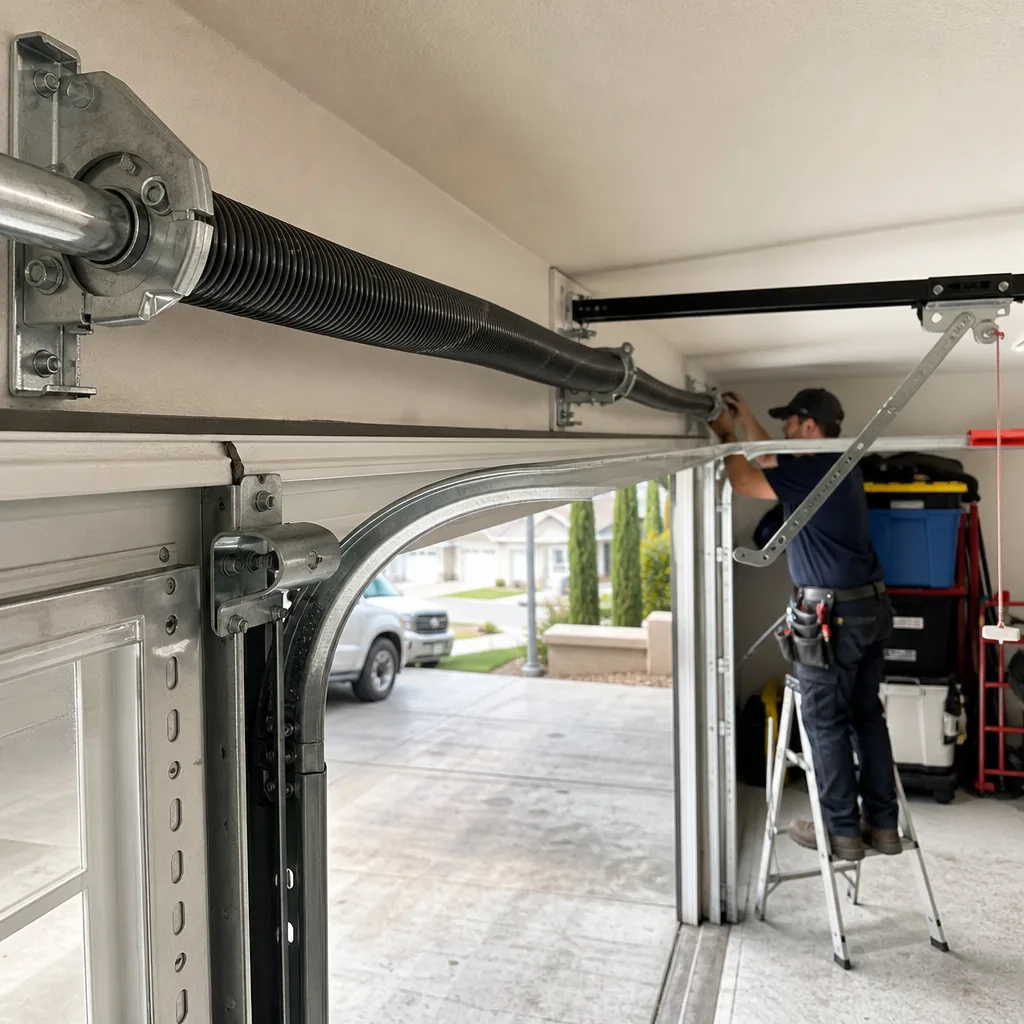 After
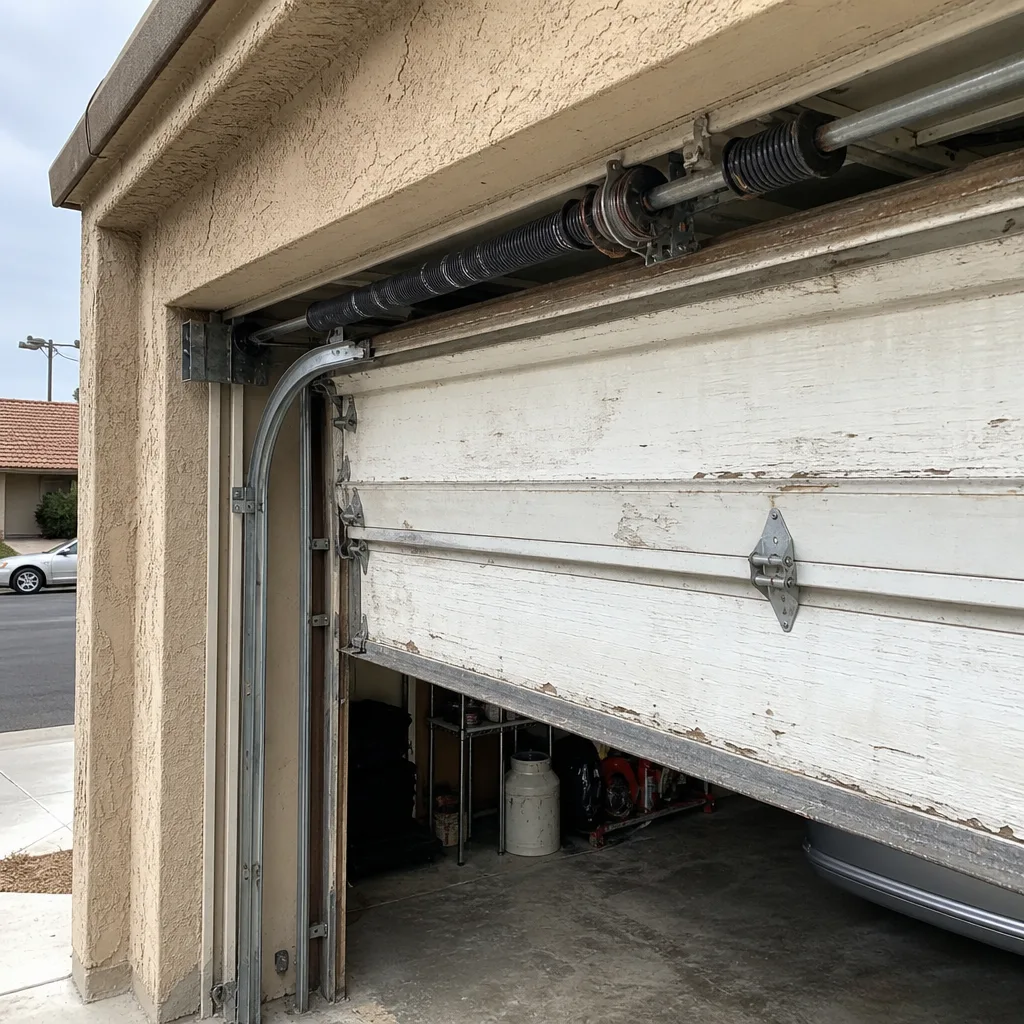 Before
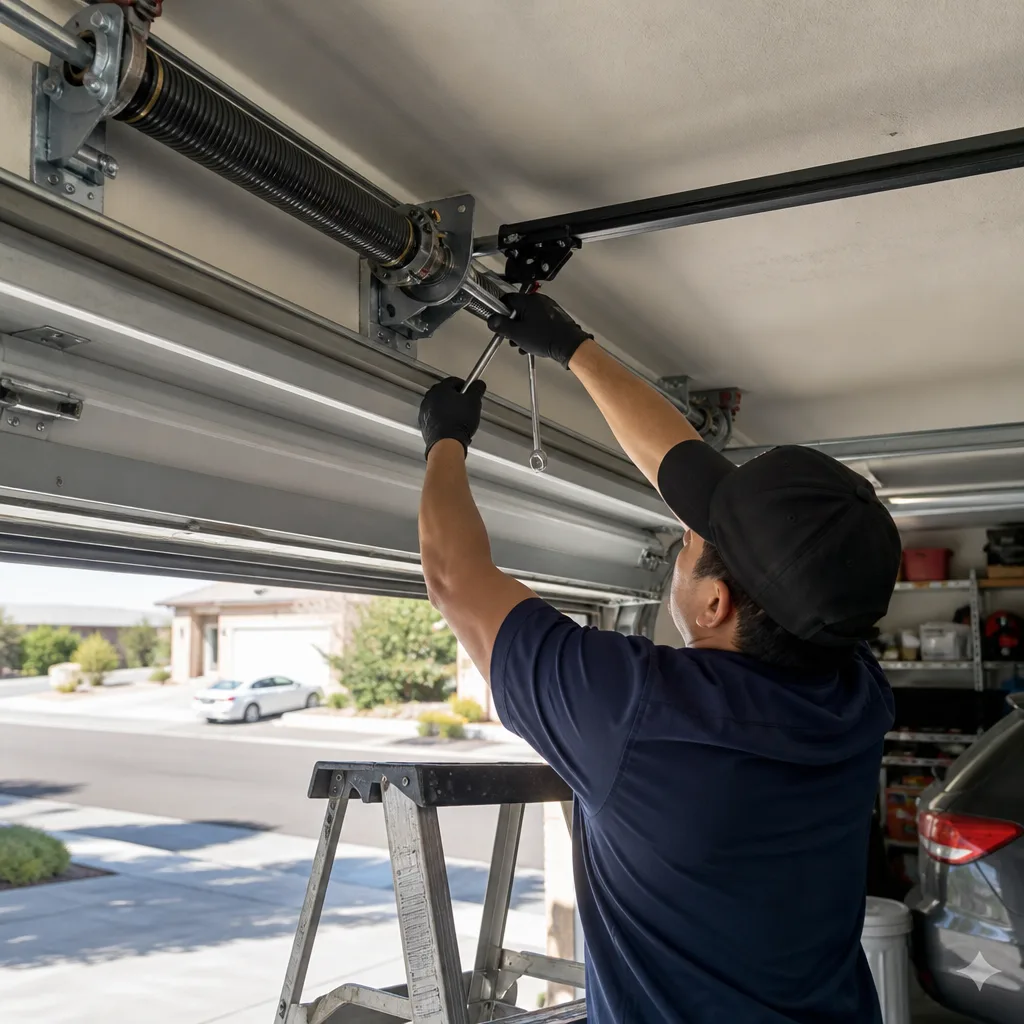 After
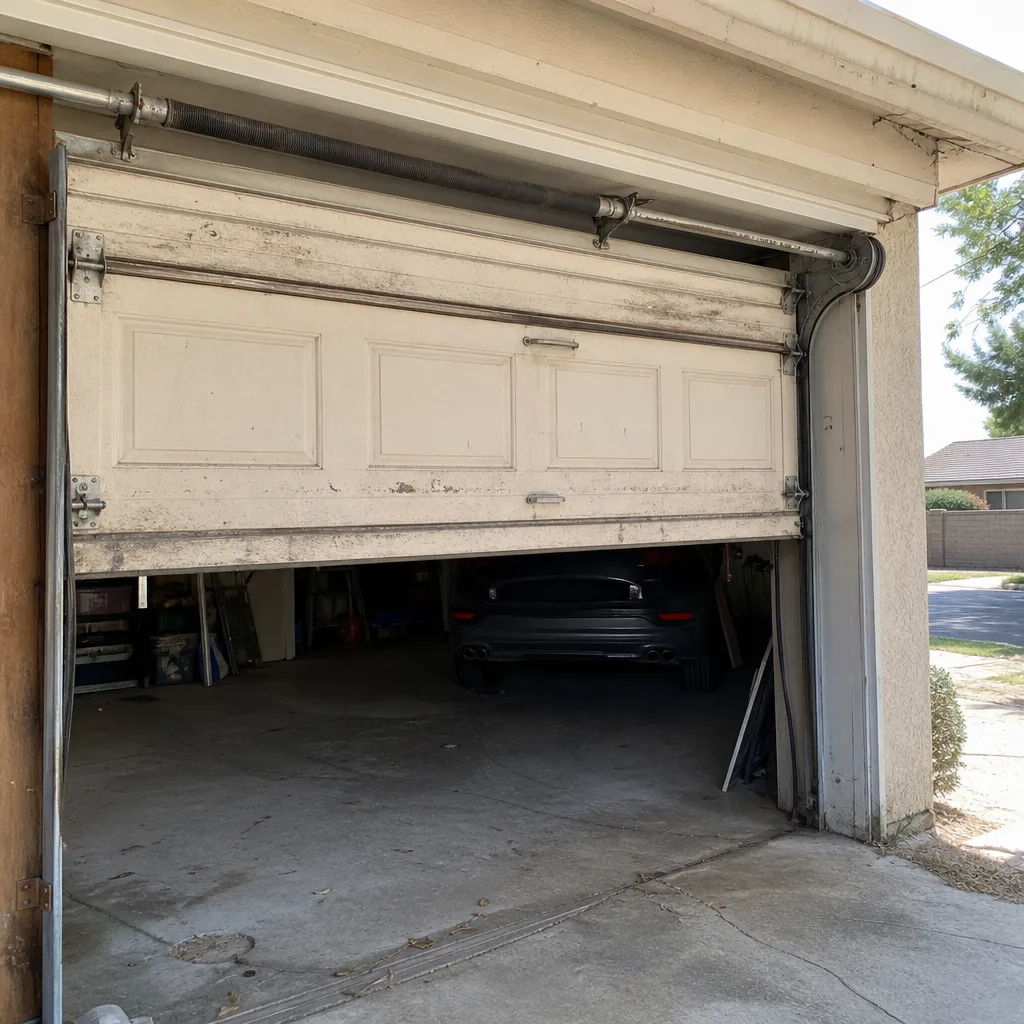 Before
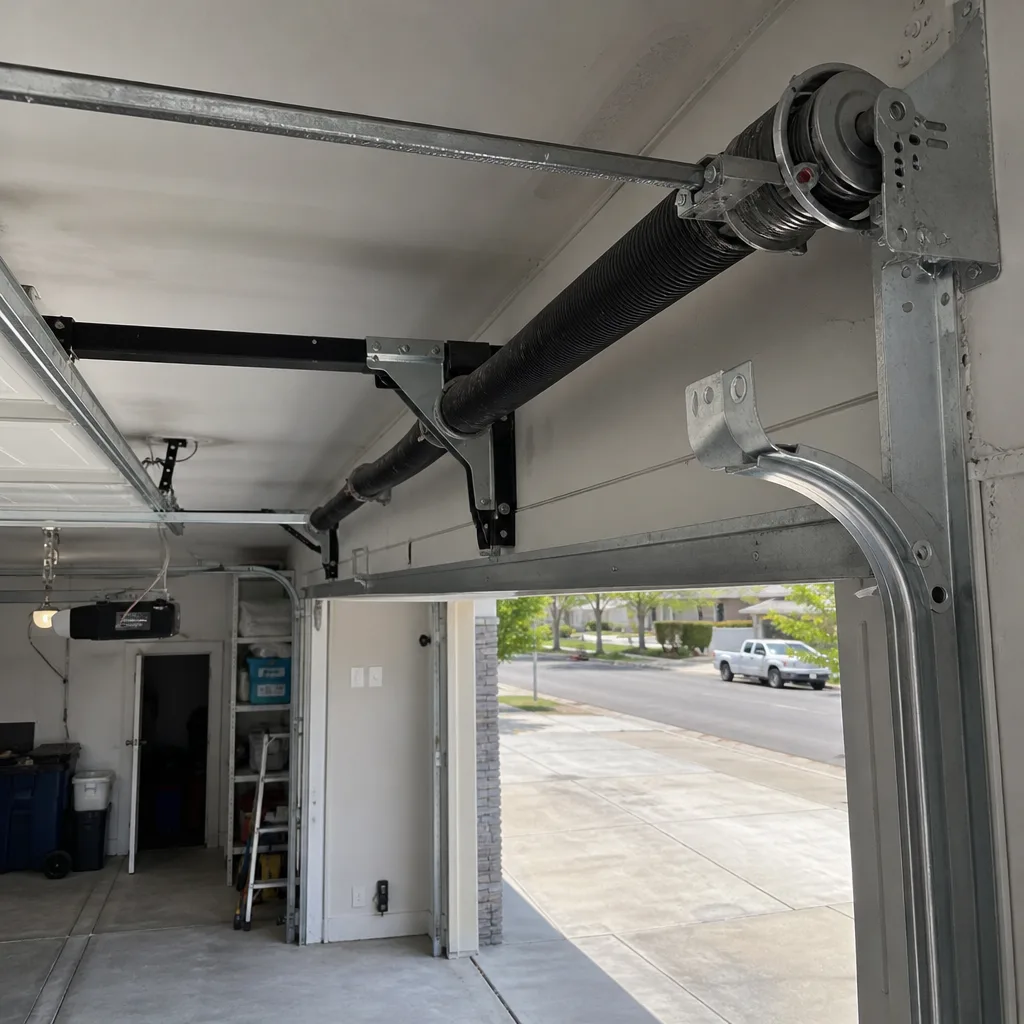 After
When to Call a Professional
Call a professional when the problem involves springs, cables, tracks, or anything under tension. Call when the door has come off its track, or when the opener shows signs of board failure rather than simple sensor misalignment. Call when you’ve run through the troubleshooting steps in this guide and the door is still acting up. And call when the problem is intermittent but persistent, because those mystery issues often indicate an underlying mechanical fault that will eventually announce itself loudly. For help choosing the right technician, see How to Hire a Garage Door Contractor in Beaumont: A Step-by-Step Guide. Northgate Garage Door Repair offers free estimates in Beaumont – call (833) 593-7152 and we’ll help you figure out whether the issue is urgent or whether it can wait for a scheduled appointment. We’re direct about what you actually need, and our recommendation is always to repair before replacing when repair still makes sense.
Frequently Asked Questions
Garage door repair in Beaumont typically runs $100 to $350 for most common fixes, including roller replacement, sensor realignment, and spring replacement. More involved repairs, such as track realignment or door-off-track recovery, can push higher depending on panel damage. The price is always quoted and agreed before any work starts, so there’s no surprise on the invoice. Call (833) 593-7152 for an exact quote on your specific issue – estimates are free.
A garage door that opens halfway usually has a limit setting issue, a broken spring, or an obstruction in the track. Try the balance test to check your springs, then inspect both tracks for debris or damage. If the door feels heavy when disengaged, you have a spring problem, not an opener problem. For more guides & resources on diagnosing common issues, explore our blog. This is a call us type situation, because forcing the door will damage the opener.
No, and you shouldn’t try. Torsion springs are under enough tension to cause serious injury or death, and the winding bars and technique required aren’t things you can improvise safely. Even with proper tools, this is the most dangerous task in the trade. Call a professional who does spring replacement weekly, not a homeowner who’s done it never.
Intermittent opener failures usually trace to sensor misalignment, remote interference from LED bulbs, or a failing logic board. Check the sensor lights first – if one is blinking, that’s your problem. Swap any recently installed LED bulbs for garage-rated versions. If the problem persists, the board is likely failing and will need diagnosis from a technician.
Once a year is the right cadence for most Beaumont homes, ideally in fall before the rainy season. Annual service should include roller inspection, spring balance check, track alignment verification, sensor testing, and lubrication of all moving parts. Homes with daily heavy use or doors exposed to direct afternoon sun may benefit from twice-yearly checks.
Squeaking is usually dry rollers or hinges, and it’s one of the earliest warning signs in the failure chain. A quick lubrication with silicone spray often resolves it. However, if the squeaking persists after lubrication or is accompanied by a rough feel when the door moves, you likely have worn bearings in a roller, and replacement now prevents the chain reaction that ends in a dropped door. Call (833) 593-7152 and describe what you’re hearing – we can tell you over the phone whether lubrication is enough or whether a service visit makes sense.
The Bottom Line
Garage doors don’t fail overnight. They fail in a sequence, and by the time most homeowners notice, they’re at step four or five of a chain that started months earlier. Learning to read the early warnings – the grinding roller, the slow-creeping imbalance, the fading spring tension – puts you in control of the repair timeline and the price point. Run the balance test quarterly. Lubricate moving parts twice a year. Listen when the door starts talking. And when the problem is beyond the DIY zone, which springs and cables always are, call someone who understands your specific setup. That’s what we do at Northgate Garage Door Repair. Free estimates in Beaumont, one technician who knows your brand, and no upsell to a replacement you don’t need. Call (833) 593-7152.
Written by the team at Northgate Garage Door Repair, serving Beaumont since 2015.