
Last updated November 2, 2026
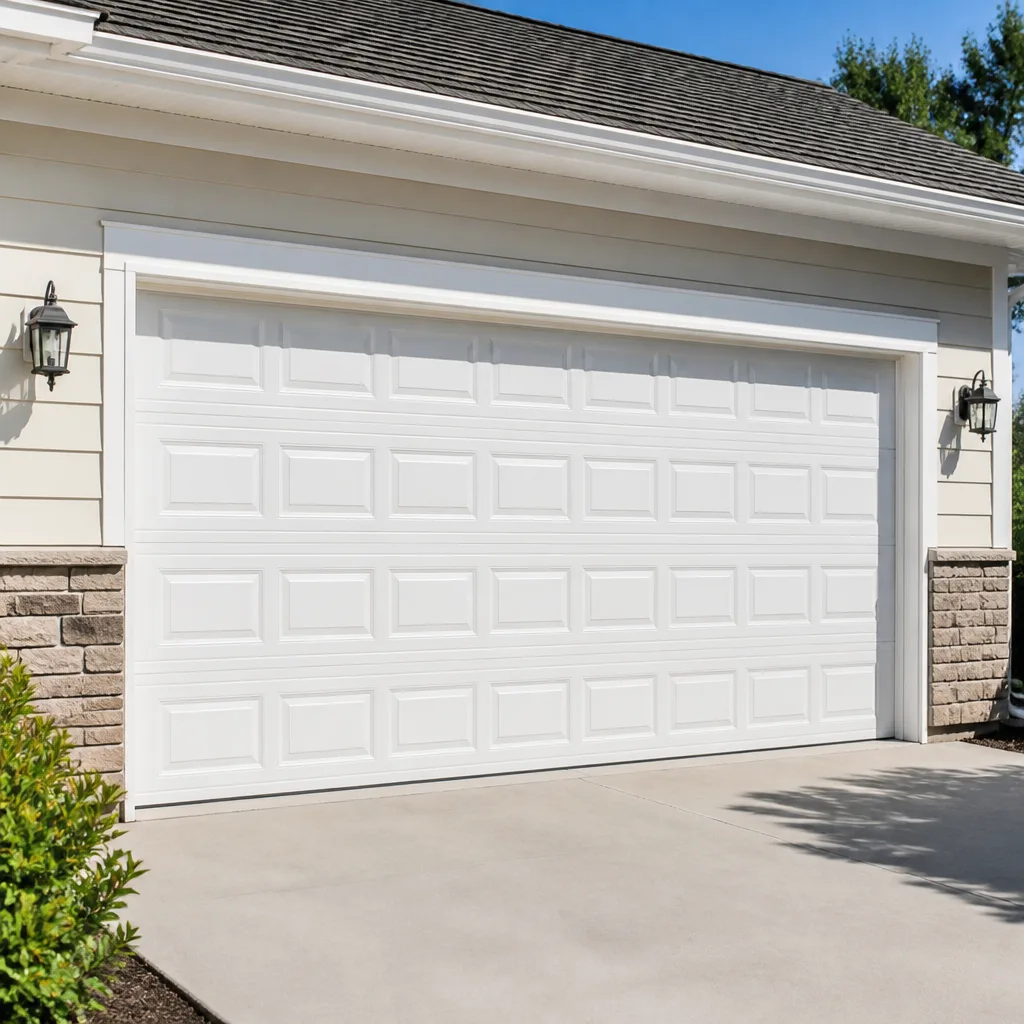 Raised-panel steel
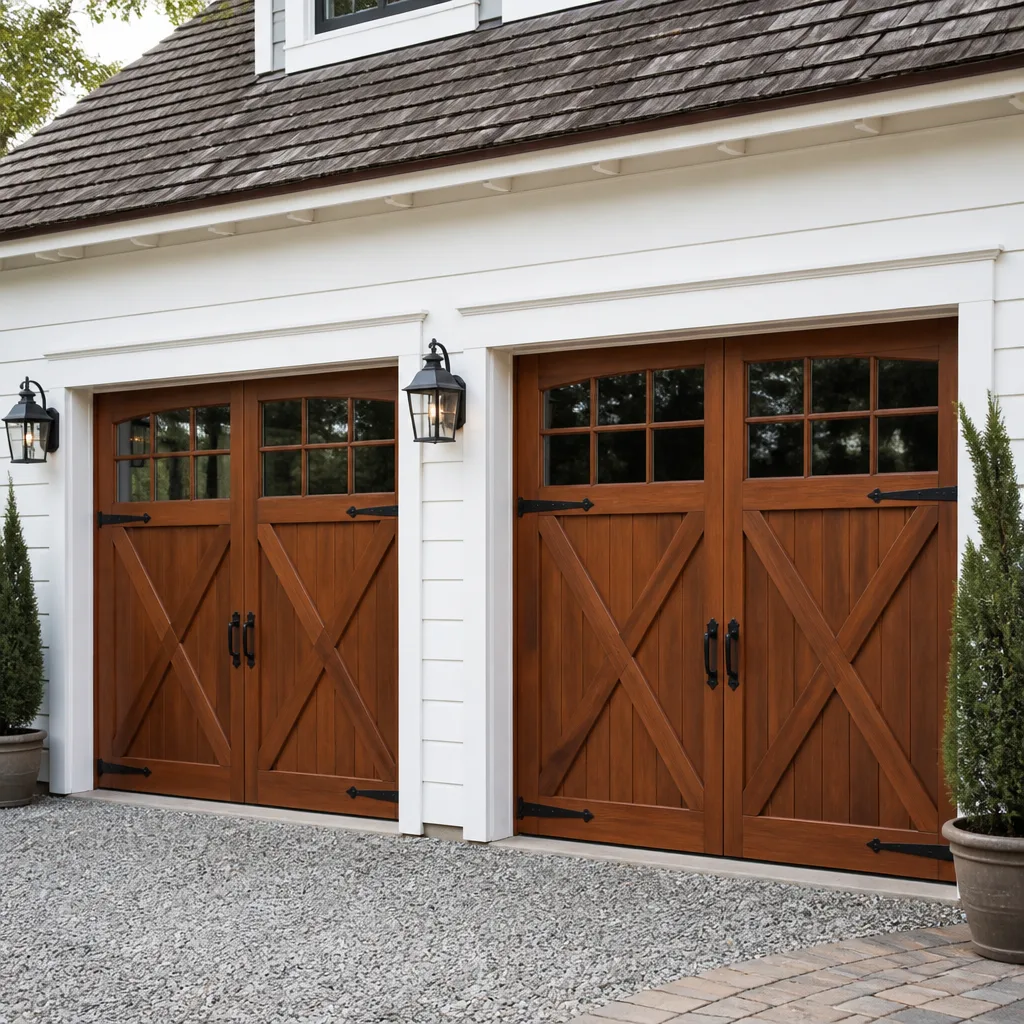 Carriage house
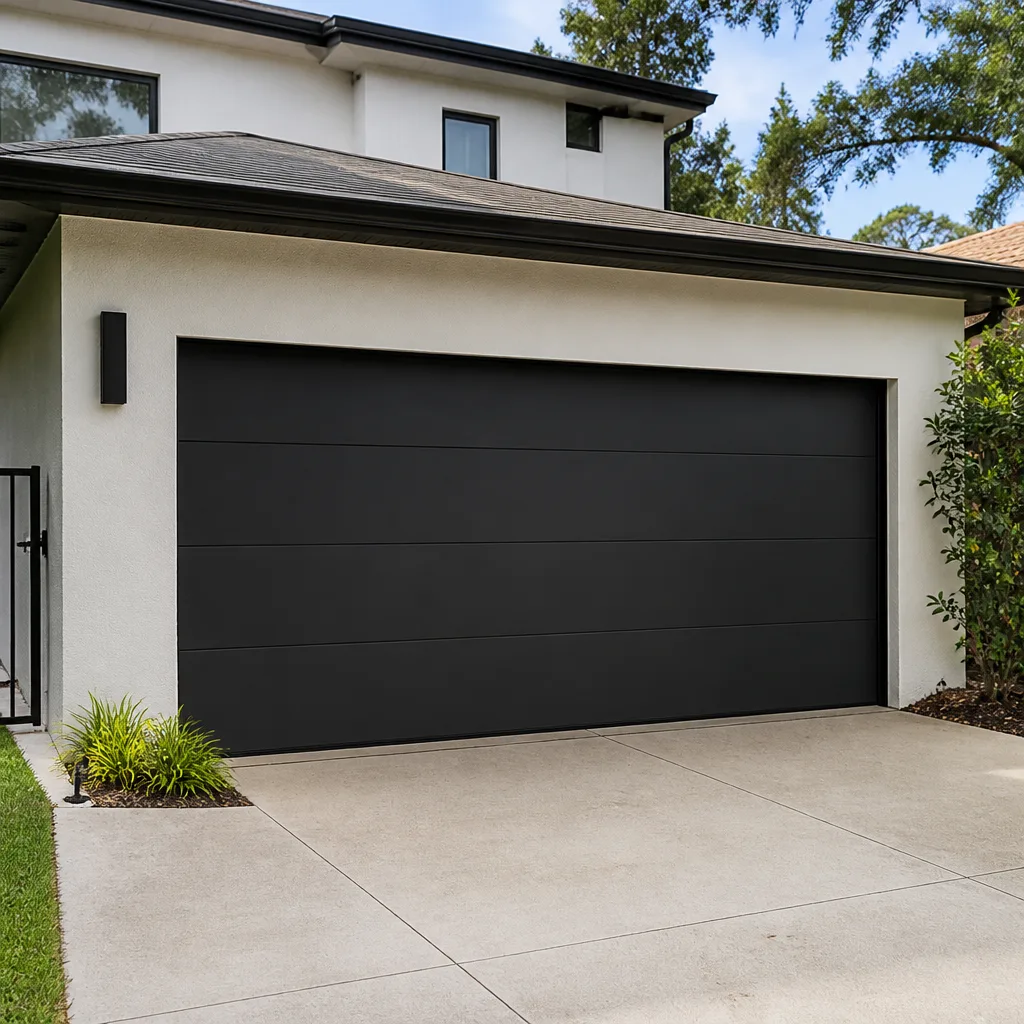 Modern flush
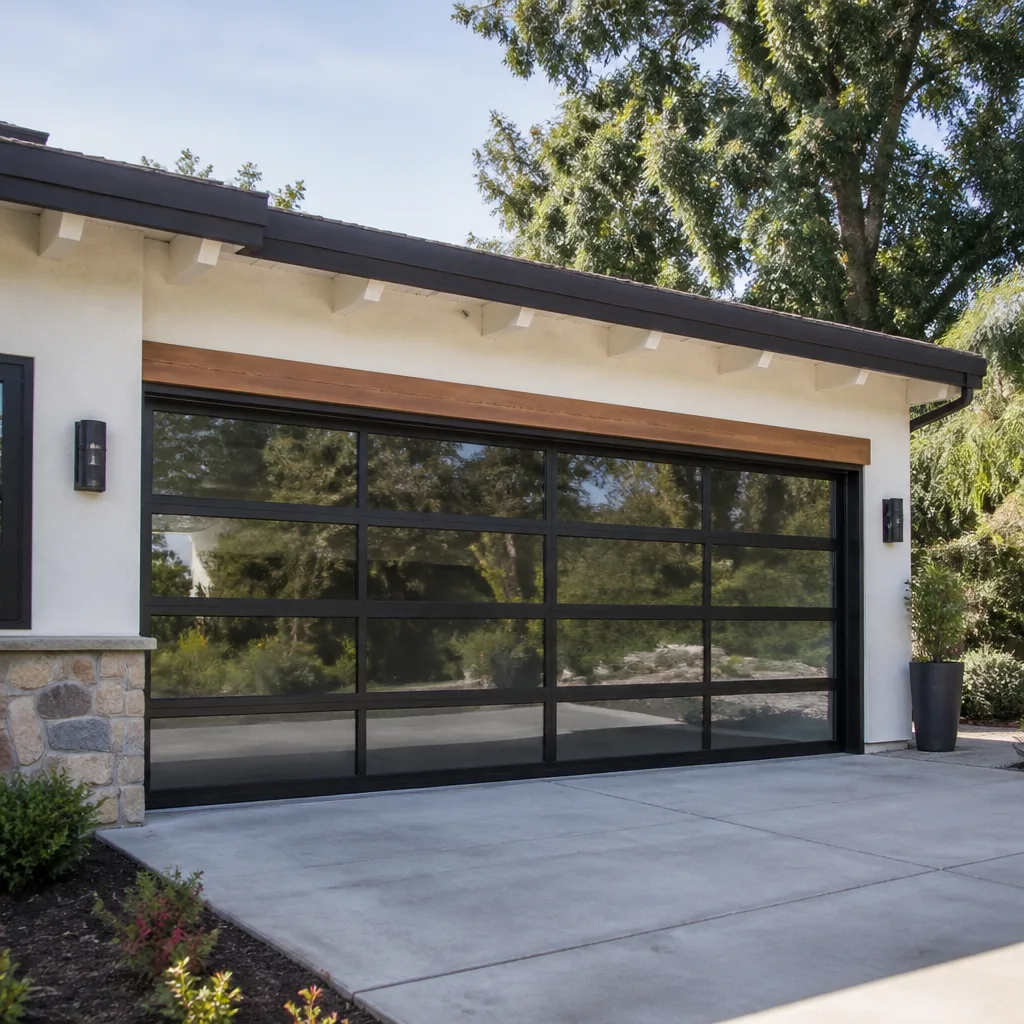 Full-view glass
 LiftMaster openers
 Chamberlain openers
Full 25-point door and opener safety check with every visit - springs, cables, rollers, tracks, and your LiftMaster or Chamberlain opener included
You get a price before we start. It does not change when the truck arrives.
Get your free estimateGarage Door Repair Maintenance Checklist for Beaumont Homeowners
Here’s something most maintenance guides won’t tell you: in Beaumont, your garage door’s biggest enemy isn’t age. It’s the San Gorgonio Pass. That wind corridor funnels some of the strongest sustained gusts in Southern California directly into our neighborhoods, and we see the results every week: panels that have been racked out of square, tracks knocked a half-inch out of alignment, and bottom seals shredded by wind-driven debris. This checklist is built around what actually fails first in Beaumont, not what a generic national guide says to check. You’ll learn the specific inspection points that matter here, a realistic lubrication schedule for our summer heat, and a simple pass/fail system to decide whether to monitor something or pick up the phone.
Quick Answer
A garage door maintenance checklist for Beaumont homeowners should prioritize wind-stress inspections (panel racking and track alignment), a summer-adjusted lubrication schedule (every 3-4 months during heat months), spring tension checks for high-cycle households, and UV-focused weatherstripping inspection. Most Beaumont doors need more frequent maintenance than national averages suggest because the San Gorgonio Pass wind corridor and 100°F+ summer temperatures accelerate wear on metal, rubber, and hardware.
Styles & brands we work with
- Raised-panel steel
- Carriage house
- Modern flush
- Full-view glass
- LiftMaster openers
- Chamberlain openers
Table of Contents
- Why Beaumont Weather Changes the Maintenance Game
- The Wind-Specific Inspection Most Checklists Skip
- Heat-Cycle Lubrication: Why Twice a Year Isn’t Enough Here
- Torsion Spring Tension Checks for High-Cycle Households
- Weatherstripping and UV Degradation: The Inland Desert Problem
- The Pass/Fail Scoring System: Repair vs. Monitor vs. Call
- A Seasonal Maintenance Schedule for Beaumont
- Common Mistakes to Avoid
- When to Call a Professional
- Frequently Asked Questions
Why Beaumont Weather Changes the Maintenance Game
Beaumont sits at roughly 2,600 feet in the San Gorgonio Pass, which means our garage doors deal with a combination most Southern California cities never experience: sustained high winds plus genuine summer heat. A garage door in coastal Orange County might go a decade without meaningful wind stress. The same door in Beaumont gets shoved sideways every afternoon when the pass winds kick up.
What does that mean in practical terms? Three things, mostly. First, the hardware that holds your panels square gets worked loose faster. Hinges, brackets, and track bolts all take lateral load when gusts hit the door face. Second, your bottom seal wears out from impact rather than age. Wind throws sand, gravel, and small debris against the bottom of the door constantly. Third, the metal itself expands and contracts daily during summer, which loosens fasteners that were snug in spring.
We’ve worked on doors in Beaumont that were only four or five years old but looked like they’d been through a decade of coastal weather. The difference wasn’t quality of installation. It was wind load and thermal cycling, and the homeowner hadn’t adjusted their maintenance habits to match. The good news is that a door that gets inspected with these local factors in mind tends to last a long time here. The doors that fail early are the ones maintained on a generic schedule written for someone else’s climate.
If you’re looking for a broader overview of what we handle, our Garage Door Repair in Beaumont page covers the full range of repair scenarios we see across the city, from wind damage to opener failures.
The Wind-Specific Inspection Most Checklists Skip
Here’s the inspection sequence we recommend every Beaumont homeowner perform at least twice a year, with one session timed for the start of the windy season in fall. Generic checklists tell you to look at the door and make sure it opens. This one tells you what wind actually does to a door over time.
Step 1: Check for Panel Racking
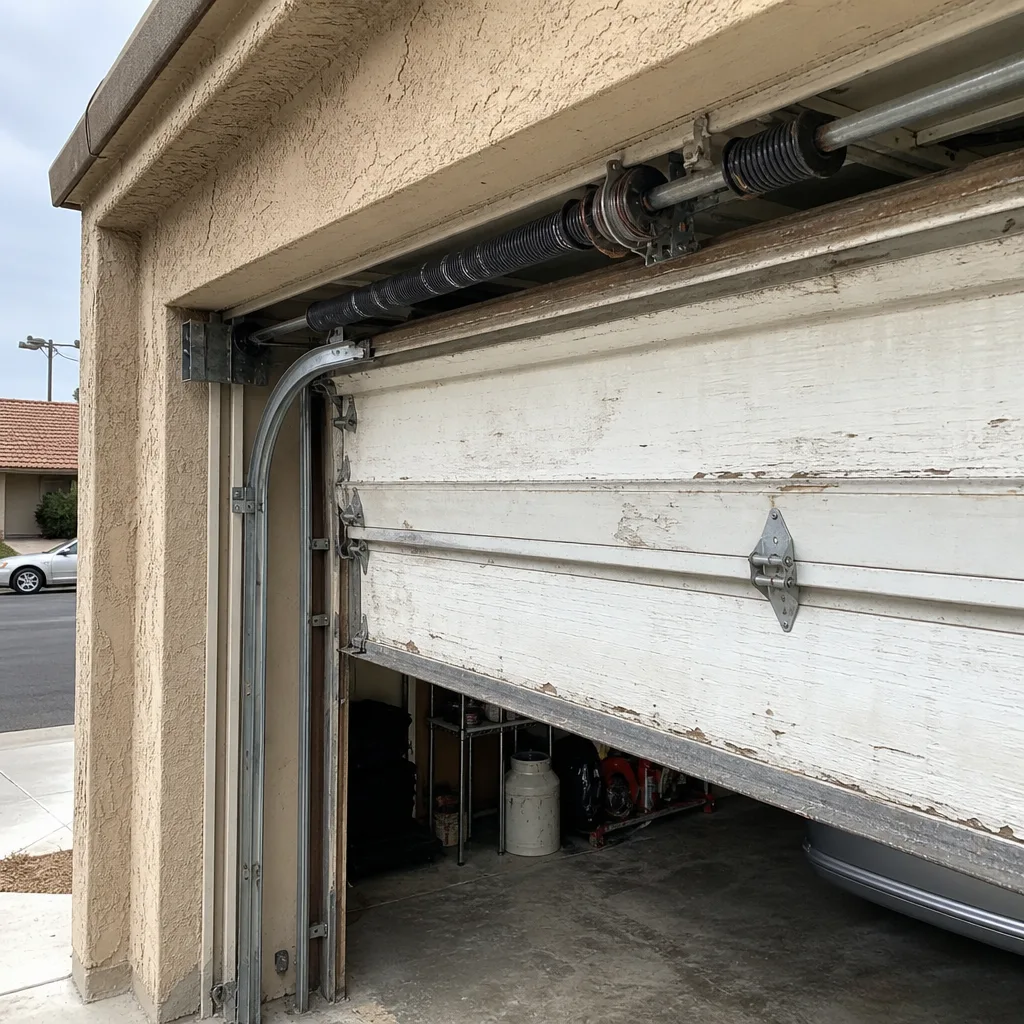
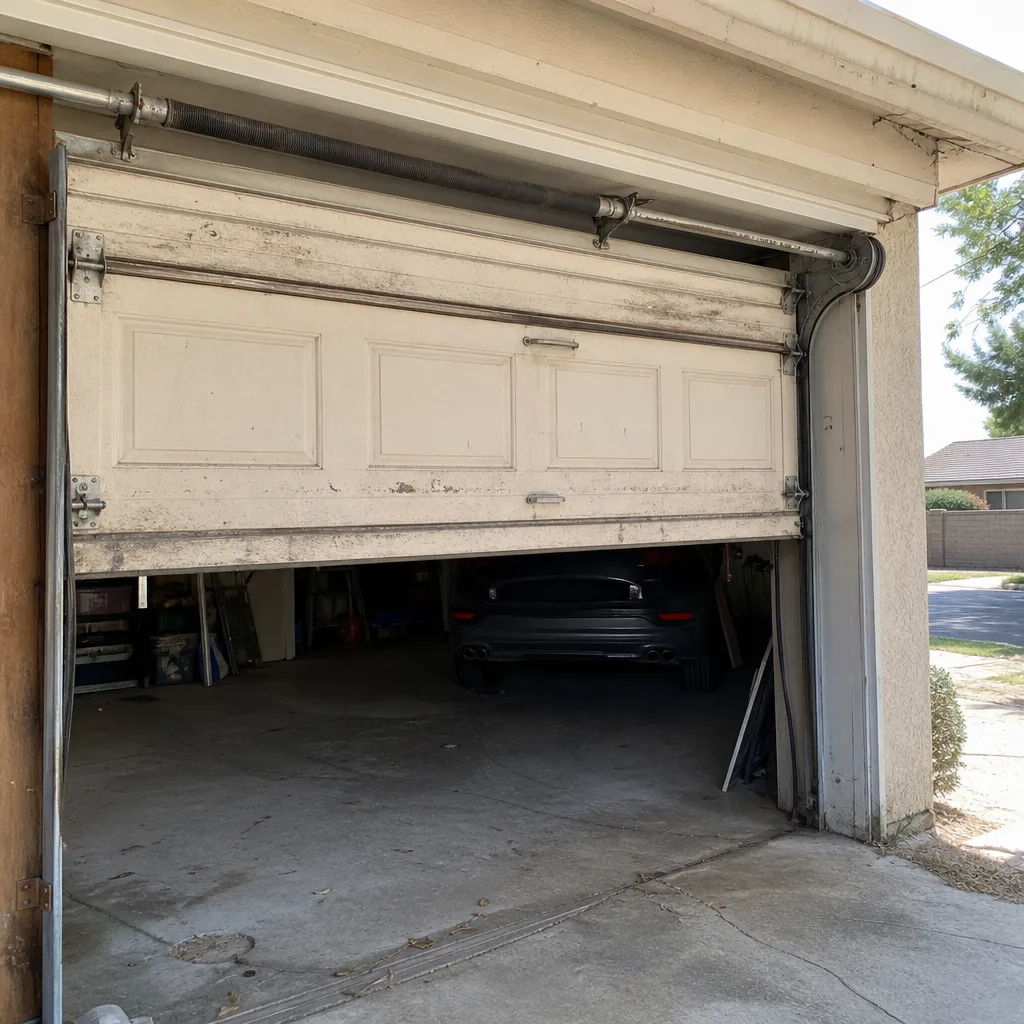
Stand inside the garage with the door closed and look at the seams between panels. Are the horizontal lines straight, or does one panel appear rotated slightly relative to its neighbor? Wind pressure flexes the door repeatedly, and over time that flexing can work hinge screws loose enough that a panel shifts. You may also see light coming through one side of a seam but not the other. That’s racking, and if you catch it early it’s usually a hinge tightening job. If you let it go, the panel’s edges start wearing and the door stops sitting square in the opening.
Step 2: Inspect Track Alignment and Track Bolts
Run your hand along the vertical tracks on both sides, feeling for any section where the track bulges inward or outward. Wind loads transfer from the door panels into the track brackets, and those brackets are anchored into the wall framing. We regularly find brackets in Beaumont homes that have pulled a quarter inch out of the stud because wind working the door eventually loosened the lag screws. While you’re checking, give each track bolt a visual once-over. If you can wiggle any bracket by hand, that’s a repair item.
Step 3: Examine the Bottom Seal for Impact Damage
The rubber or vinyl strip on the bottom of your door is the first thing wind-driven debris hits. Look for chunks missing, splits that go all the way through, or sections where the seal has been pushed out of its retainer channel. A damaged bottom seal lets dust in (abundant here), lets conditioned air escape (expensive in summer), and eventually lets water in during the winter rain we do get.
Step 4: Listen During Operation
Open and close the door while standing inside the garage. Wind-damaged doors often sound different than they did when new. Listen for grinding that changes pitch as the door moves, popping sounds where panels flex, or rattling that wasn’t there before. Any of these is worth investigating. A door that operates smoothly should be relatively quiet, even an older one.
These four steps take about ten minutes and catch most wind-related problems before they turn into a door that binds, jams, or comes off its track. If you find track damage or significant racking, that’s a call for a professional rather than a DIY fix. A door under cable tension is dangerous to work on when it’s misaligned.
For homeowners dealing with wind damage right now, our Garage Door Repair in Beaumont service page describes what a typical repair visit involves and how we diagnose door problems on-site.
Heat-Cycle Lubrication: Why Twice a Year Isn’t Enough Here
Most national maintenance guides suggest lubricating your garage door twice a year, once in spring and once in fall. That schedule works in places like San Diego or Los Angeles, where the temperature swings are moderate and humidity is relatively stable. It does not work in Beaumont.
Here’s the problem: when summer temperatures regularly exceed 100°F, the metal components on your door expand. When the temperature drops at night, they contract. That daily expansion and contraction pumps lubricant out of the contact points, especially on rollers and hinges. The lithium grease or silicone spray you applied in spring is largely gone by August. What’s left has been baked into a stiff film by the heat.
We recommend a three-times-a-year lubrication schedule for Beaumont homeowners, with the extra session timed for mid-summer:
- November: Apply lubricant before the windy season puts maximum stress on the door hardware. This is also when the temperature finally drops for good, so the lubricant stays put.
- March: Spring lubrication before the heat builds. This gives the hardware protection through the first hot months.
- Late July: Mid-summer touch-up. By this point the daily thermal cycling has thinned out the spring application, and the door is operating in the hottest conditions it will see all year. This is the session most Beaumont homeowners skip, and it’s the one that prevents most summer wear.
What to lubricate: rollers (the bearings, not the track), hinges, the torsion spring, and the opener chain or screw drive if applicable. What to leave dry: the track itself. Lubricating the track attracts dust, which in Beaumont means gritty paste buildup that accelerates roller wear.
Use a white lithium grease for metal-on-metal contact points like hinges and springs. Use a silicone-based lubricant for rollers and plastic parts. Avoid WD-40 for lubrication; it’s a solvent and degreaser, not a long-term lubricant, and it will strip what little protection you have left.
Torsion Spring Tension Checks for High-Cycle Households
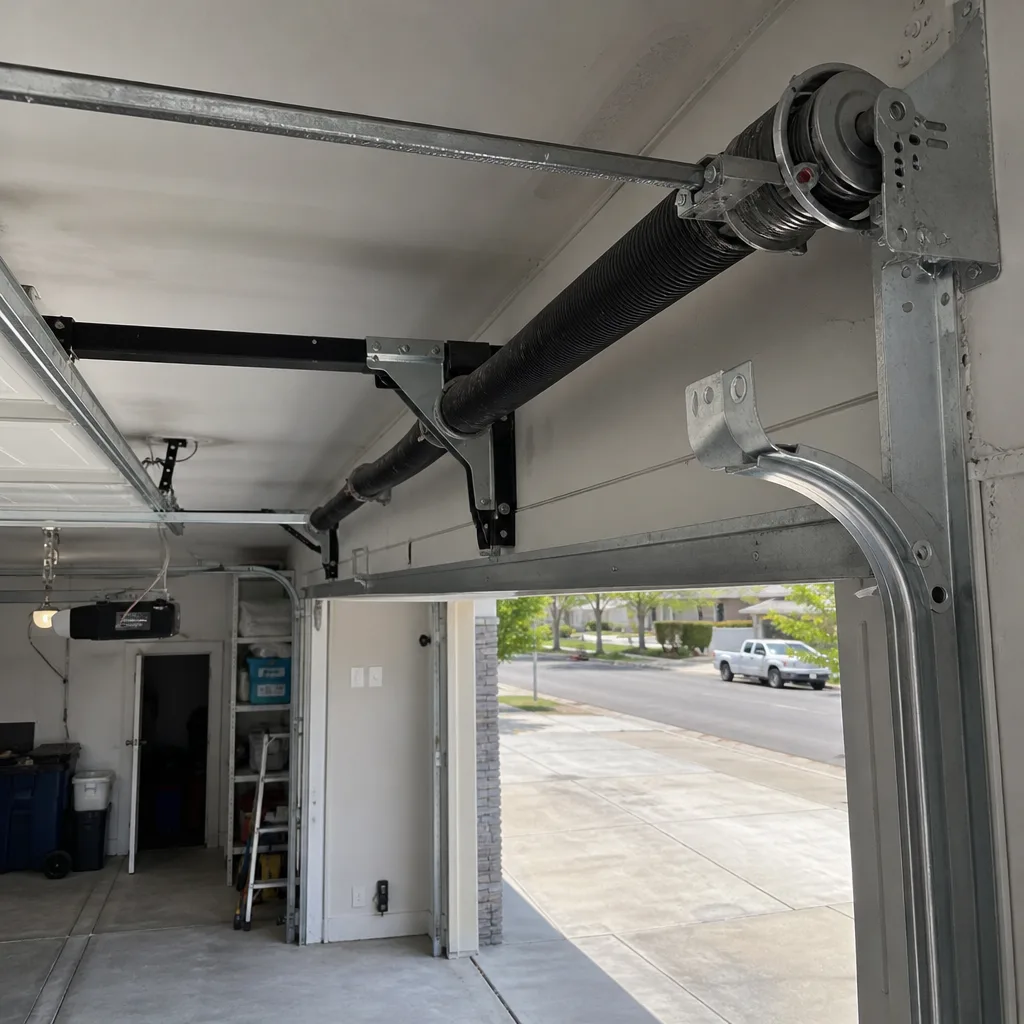
Torsion springs are rated for a certain number of cycles. A cycle is one full open-and-close. Standard residential springs are often rated for 10,000 cycles, which translates to roughly seven to ten years of normal use for a household that opens the garage four times a day.
Beaumont has a specific factor that pushes a lot of households well past that usage pattern. We’re a commuter city. Plenty of residents drive down the pass to jobs in Riverside, San Bernardino, or points west, which means the garage door opens in the morning when they leave, closes, opens again when a family member runs errands mid-day, closes, opens when the first car comes home, closes, opens when the second car comes home, closes. That’s easily four to six cycles daily, sometimes more on weekends.
At six cycles a day, a 10,000-cycle spring lasts about four and a half years. We replace springs in Beaumont doors that are five years old all the time, and the homeowner is usually surprised because they assumed springs lasted “a decade or more.” The springs didn’t fail early. They hit their cycle rating precisely on schedule, because the household uses the door significantly more than average.
How to check spring tension without putting yourself in danger:
- Close the door completely.
- Pull the manual release handle so the door operates by hand.
- Lift the door to about halfway. A properly tensioned spring should hold the door at the halfway point without drifting up or down more than a few inches.
- If the door drops, the spring has lost tension. If it flies upward, the spring is over-tensioned. Either condition needs professional adjustment.
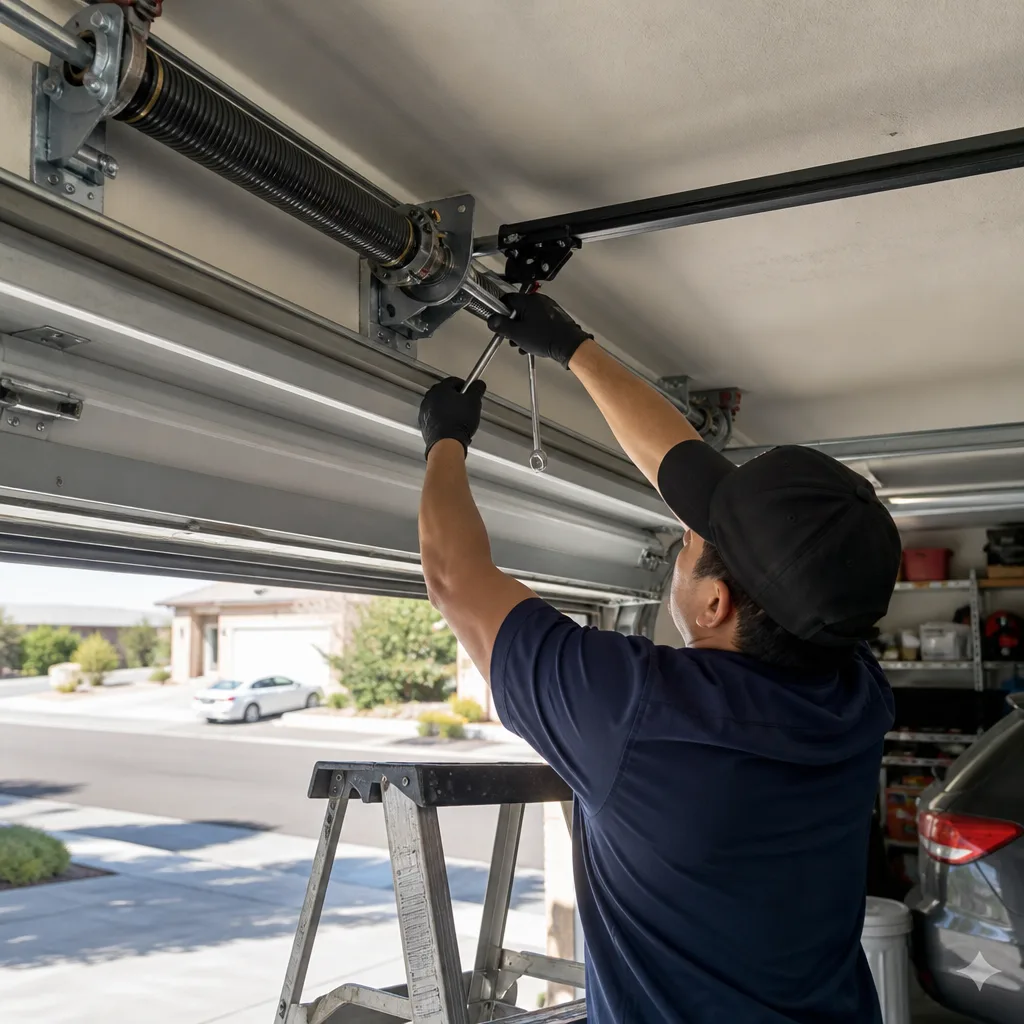
A word of caution: do not attempt to adjust torsion spring tension yourself. The spring is under enormous load, and an uncontrolled release can cause serious injury. Checking is safe if done carefully. Adjusting is not. We mention this because a surprising number of homeowners watch a YouTube video and decide to try it. Please don’t. This is the one component on your garage door that genuinely demands a trained technician with the right winding bars and experience.
For homeowners whose openers are also showing signs of wear alongside the spring, our Garage Door Opener Repair in Beaumont page covers what to check when the opener, not just the door, is struggling.
Weatherstripping and UV Degradation: The Inland Desert Problem
In coastal climates, weatherstripping fails because it gets wet and rots or because salt air corrodes the metal retainers. In Beaumont, weatherstripping fails for a different reason: UV radiation. Our elevation and clear skies mean the rubber and vinyl components on your garage door get hammered by sunlight that breaks down the material’s flexibility. The seal doesn’t rot. It bakes.
A UV-degraded seal looks dry, cracked, and chalky. It might still be in position, but it’s no longer flexible enough to conform to the floor and create a real seal. You can test this by pressing a fingernail into the rubber. Fresh weatherstripping rebounds quickly. UV-degraded rubber stays indented, similar to pressing into an old tire. That lack of rebound means the seal isn’t doing its job even if it looks intact from a distance.
The bottom seal is the most UV-exposed component on the door, but the side and top seals degrade too. We see Beaumont garages where the bottom seal has hardened so much that the door no longer compresses it when closing, leaving a visible gap along one side of the door where dust and heat get in.
The side seals and top seal are often ignored entirely by homeowners, but they matter in Beaumont specifically because the wind pushes dust and heat through any gap. A garage with failing perimeter seals in August is noticeably hotter than one with good seals, which matters if your garage is attached and shares a wall with living space.
Replacement cadence: plan to replace bottom seals roughly every two to three years in Beaumont, sooner if you park in a west-facing driveway where the door gets direct afternoon sun. Side and top seals typically last longer, around four to five years, but check them whenever you’re doing the wind inspection we described above.
The Pass/Fail Scoring System: Repair vs. Monitor vs. Call
Checklists are only useful if they end in a decision. We’ve developed a simple scoring approach for Beaumont homeowners who want clear guidance on what to do with what they find. Here’s how it works.
Scoring Each Inspection Point
For each item in your walkthrough, assign it one of three scores:
- Pass (0 points): The component is in good condition with no visible wear or damage. Move on.
- Monitor (1 point): There’s visible wear or the start of a problem, but the door still operates normally. Examples: a hinge screw that’s snug but has visible rust starting, a bottom seal with minor cracks but still flexible, a roller that’s slightly noisy but not binding. Note it and re-check at the next inspection.
- Repair (3 points): The component is failing or failed. Examples: a bottom seal with a visible gap, a track bracket that wiggles, a spring that won’t hold the door at the halfway point, a panel seam with light showing through unevenly. This item needs action within the next month.
Interpreting Your Total
After scoring all inspection points, add up the points. Here’s the decision guide:
- 0-2 points total: Your door is in good shape. Stay on your maintenance schedule and re-inspect in three to four months.
- 3-5 points total: You have at least one repair item or several monitor items accumulating. Most of our customers in this range call us for a repair visit because a door with multiple monitor items tends to develop a real failure soon after. If the repair item is minor and you’re comfortable doing the work, this is also the range where DIY fixes are reasonable.
- 6+ points total: Your door needs professional attention. Either the spring, the track, or the panel structure has deteriorated to the point where safe operation is in question. Do not keep using the door as-is. Call for service.
This system isn’t about eliminating every failure. It’s about catching problems before they strand your car in the garage or your door off its tracks. A door that scores in the 3-5 range consistently is also a signal that the door is aging and may be approaching the point where a new installation makes more financial sense than repeated repairs. If you’re in that position, our Garage Door Installation in Beaumont page walks through what a full replacement involves and what it costs, with honest guidance about when repair no longer makes sense.
A Seasonal Maintenance Schedule for Beaumont
Here’s a month-by-month maintenance calendar built around Beaumont’s actual weather patterns. If you follow this, you’ll stay ahead of nearly everything the climate throws at your door.
November: Pre-Wind Season Preparation
- Perform the full wind-specific inspection from the section above.
- Lubricate all moving parts before sustained winds begin.
- Check and tighten any track bolts that show signs of loosening from the previous year’s wind season.
- Inspect the bottom seal and replace if damaged before winter wind drives debris under the door.
March: Pre-Summer Preparation
- Repeat the full inspection, focusing on any items you flagged as “monitor” in November.
- Second lubrication session to prepare for heat expansion.
- Check weatherstripping for UV damage that developed during the bright spring months.
- Test spring tension using the manual release method described above.
Late July: Mid-Summer Check
- Third lubrication session to replace what thermal cycling has baked off.
- Check for any new noises that developed during the hottest weeks.
- Inspect the bottom seal again; heat can accelerate cracking on an older seal.
- Verify the opener’s auto-reverse sensors are still aligned (heat can shift the mounting brackets slightly).
As Needed: After Major Wind Events
Any time we get a particularly rough wind stretch (the kind that sends patio furniture down the street), do a quick visual check of your door afterward. Look for debris wedged in the track, a bottom seal that’s been knocked loose, or panels that are sitting slightly off-square. It takes two minutes and catches most wind damage the same day it happens.
Common Mistakes to Avoid
- Lubricating the track. The track is not a lubrication point. Oiling it attracts Beaumont’s abundant dust and creates an abrasive paste that chews through rollers. Lubricate the roller bearings and hinges. Leave the track dry.
- Adjusting the torsion spring without training or proper winding bars. This is the most dangerous mistake on this entire list. A spring under tension holds enough stored energy to cause life-changing injury if it releases uncontrolled. Visual inspection and manual-release tension tests are safe. Adjusting is a professional job.
- Ignoring a noisy door because “it still opens.” Noise is your earliest warning signal for most door failures. A door that grinds, pops, or rattles is telling you something is wearing out, and in Beaumont’s wind the wear accelerates faster once it starts. A noisy door usually costs less to fix than a door that’s gone silent because it’s fully broken.
- Using the wrong lubricant. Enough said above, but it bears repeating: WD-40 is not a garage door lubricant. It strips the lubricant you already applied and leaves moving parts drier than before.
- Replacing the opener when the door itself is the problem. We see this constantly. The opener struggles, so the homeowner assumes the opener failed, but the real issue is a door that’s become hard to move due to worn rollers, damaged tracks, or a failing spring. Replacing the opener doesn’t fix a door that’s binding. This is exactly why Northgate Garage Door Repair home services focus on diagnosing the whole system rather than swapping the most obvious component.
- Skipping the bottom seal because it “looks fine from outside.” UV damage happens from the inside out on rubber. Get down on the floor and actually press the seal to check for flexibility. A hardened seal with no visible cracks is still a failed seal.
- Waiting until a door off the track to call for help on track alignment. Track problems get worse with every cycle. A bracket that’s pulled slightly out of the wall will eventually let the track twist enough to drop a roller, and then the door is stuck and dangerous. If the bracket wiggles or the track looks out of plumb, handle it now.
When to Call a Professional
Some maintenance items are safe for a homeowner to handle: lubrication, visual inspections, bottom seal replacement (on most doors), and tightening visible hardware. Others are not. Call a professional if your torsion spring fails or won’t hold tension, if the door has come off its track, if cables are frayed or loose, if a panel is cracked through, or if the door is visibly racked from wind. These failures involve components under load, and working on them without experience and the right tools can turn a $300 repair into an emergency room visit.
At Northgate Garage Door Repair, we work on the brand you already have. Our technicians are trained across LiftMaster, Chamberlain, Genie, Clopay, Amarr, Wayne Dalton, Craftsman, and Raynor systems, so the diagnosis is based on your actual door, not a generic assumption. We offer free estimates in Beaumont. Call (833) 593-7152 and we’ll give you an honest read on what you’re dealing with.
If your opener is the component acting up, our Garage Door Opener Repair in Beaumont page covers troubleshooting for the brands we see most often in local garages.
Frequently Asked Questions
Three times a year. Beaumont’s summer heat cycles bake lubricant off moving parts, so the standard twice-a-year schedule leaves your door under-lubricated by August. Lubricate in November, March, and late July for best results. Call (833) 593-7152 if you’re not sure which lubricant to use on your specific door.
A DIY maintenance routine costs around $20-40 per year in lubricant and seal replacement materials. Professional maintenance visits typically run in the $80-150 range depending on what’s inspected and adjusted. If you’re not sure your door has been properly maintained and want a baseline assessment, call (833) 593-7152 for a free estimate from a technician who knows Beaumont’s specific wind and heat wear patterns.
Yes. Visual inspection, listening to the door operate, checking for loose brackets, and testing spring tension using the manual release handle are all safe for a homeowner to do. Do not attempt to adjust torsion springs, re-tension cables, or straighten a damaged track yourself. Those components are under load. If you see anything that concerns you, call (833) 593-7152 and we’ll walk you through what we see during a free estimate.
Spring lifespan is measured in cycles, not years, and Beaumont’s commuter households often use their doors four to six times a day. A standard 10,000-cycle spring lasts roughly four to five years at that usage rate, compared to seven to ten years in households with lighter usage. If your spring is over four years old and you use the door multiple times daily, have it checked. Call (833) 593-7152 for a spring assessment; we quote the price before any work starts.
Wind-related track misalignment. The San Gorgonio Pass wind pushes on door panels repeatedly, which loosens track brackets and eventually shifts the track enough that the door binds or drops a roller. We see this more than any other single issue in Beaumont. The fix typically involves re-anchoring brackets and realigning the track, which we handle as a standard repair. Call (833) 593-7152 if your door is scraping, binding, or sitting crooked in the opening.
No. At Northgate Garage Door Repair, we quote the price and agree on it with you before any work starts. If we find additional issues during the repair, we’ll stop and discuss them with you before proceeding. You’ll never see a surprise line item after the work is done. Estimates are free, so call (833) 593-7152 to get a number for your specific door.
The Bottom Line
Beaumont garage doors wear out differently than doors in the rest of Southern California. Wind stress racks panels and bends tracks. Summer heat bakes lubricant off and hardens weatherstripping. Commuter usage cycles through springs faster than the national average. If you maintain your door on a schedule built for those conditions, it will last longer and fail less dramatically. If you maintain it on a generic twice-a-year schedule, you’ll probably pay for repairs a coastal homeowner would never need. The checklist above, the scoring system, and the seasonal calendar give you a practical way to stay ahead of what our climate actually does to garage doors.
Written by the team at Northgate Garage Door Repair, serving Beaumont since 2015.
See the difference
 Before
 After
 Before
 After
 Before
 After