
Last updated November 2, 2026
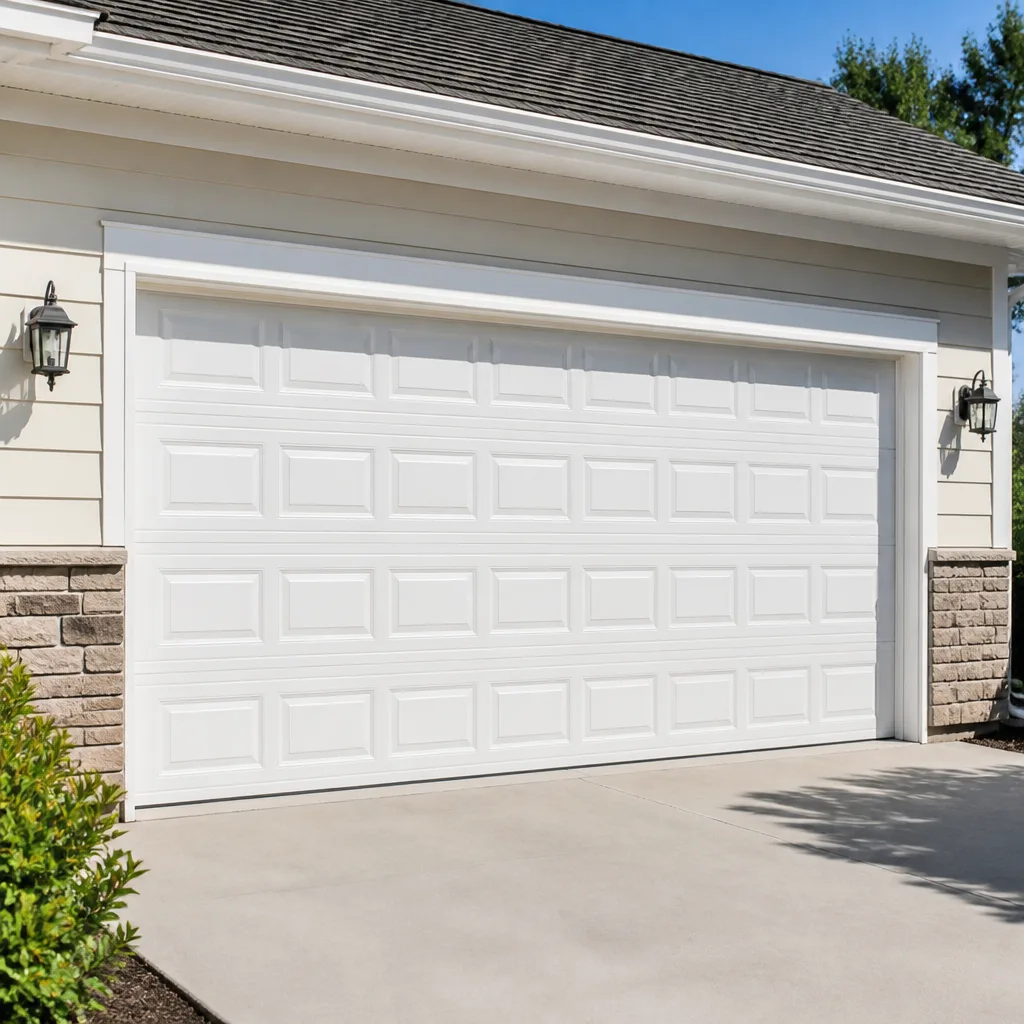 Raised-panel steel
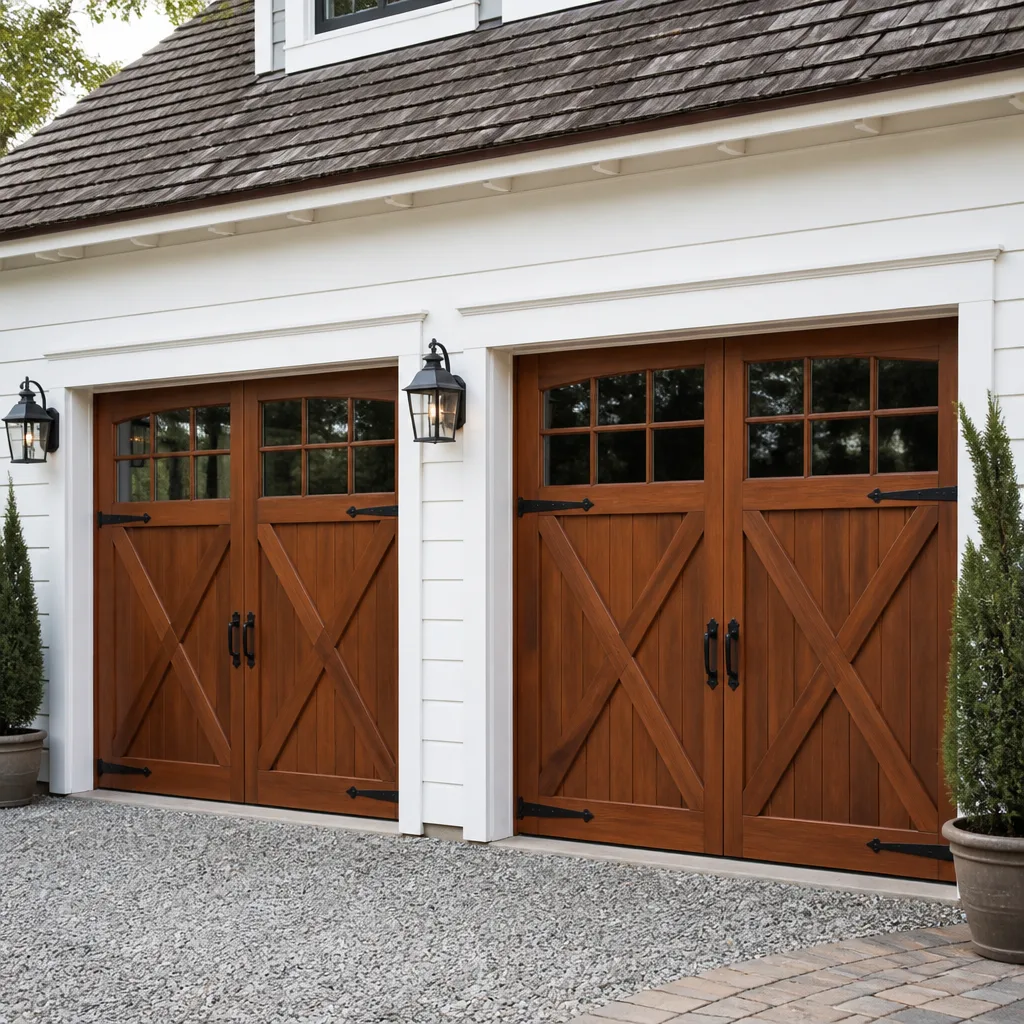 Carriage house
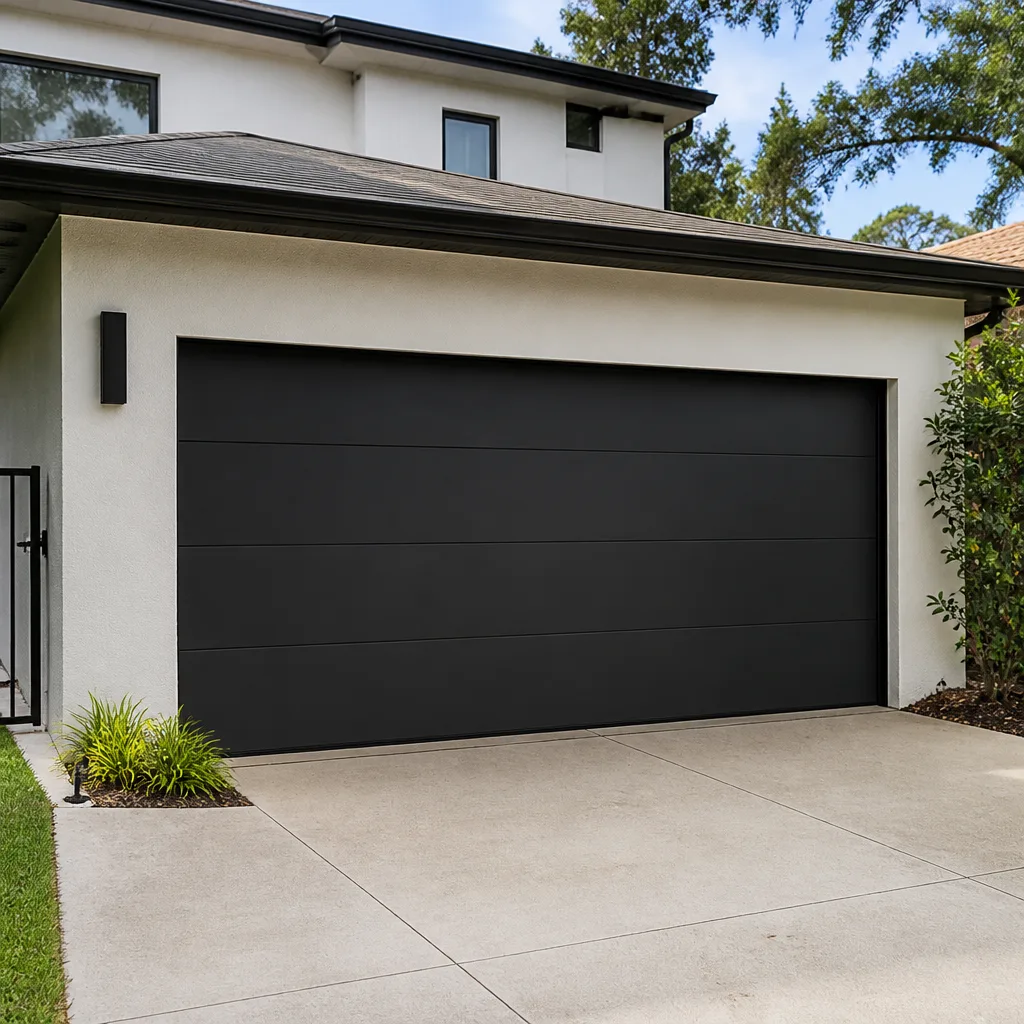 Modern flush
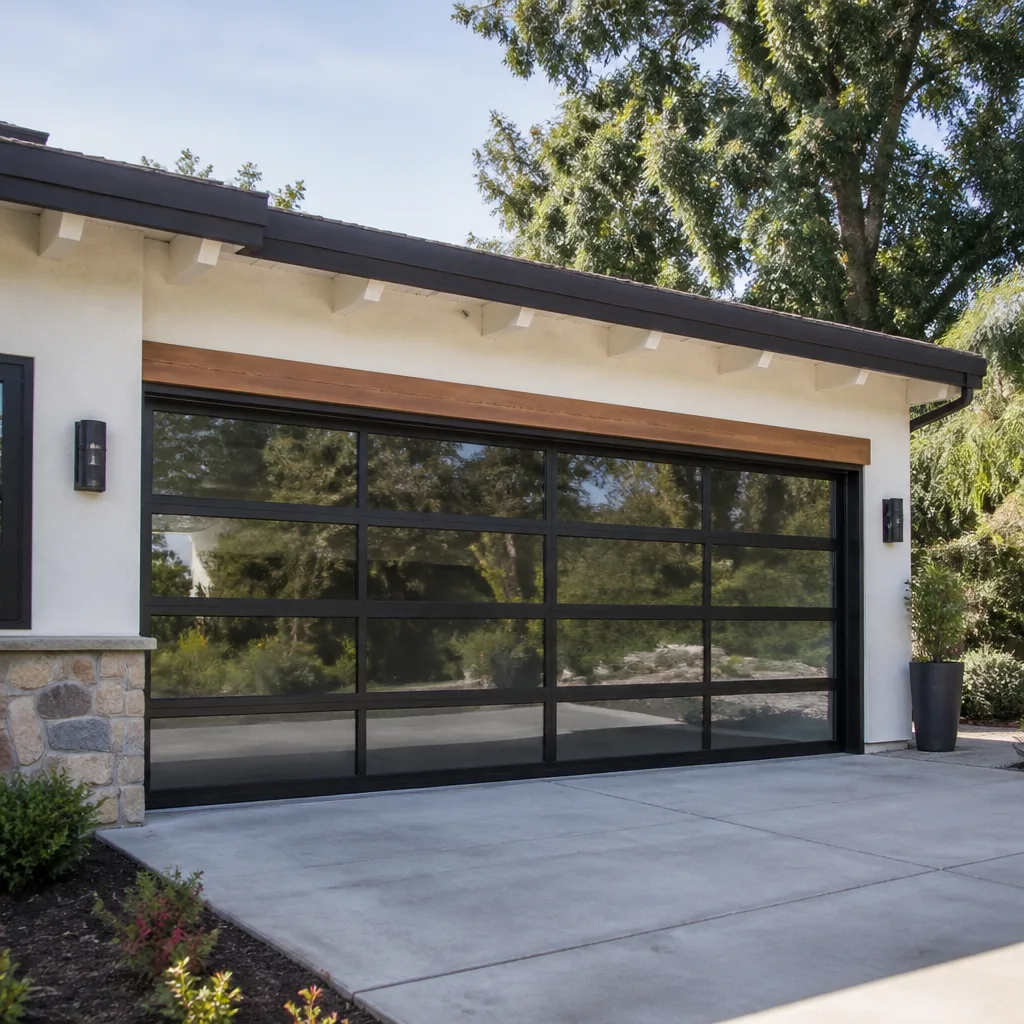 Full-view glass
 LiftMaster openers
 Chamberlain openers
Full 25-point door and opener safety check with every visit - springs, cables, rollers, tracks, and your LiftMaster or Chamberlain opener included
You get a price before we start. It does not change when the truck arrives.
Get your free estimateGarage Door Permits, Codes & Inspections in CA: What You Need to Know
Here’s something that surprises most Beaumont homeowners: swapping out an older garage door opener can trigger an inspection faster than replacing the entire door itself. The reason comes down to how California building codes treat electrical modifications versus structural ones, and the distinction catches people off guard every week. This guide walks through the actual permit triggers, the code sections that matter, what Beaumont’s Building Division enforces, and how unpermitted work resurfaces during escrow. We’re writing this from the perspective of a garage door company in Beaumont that deals with these questions daily, not from a regulatory office, so the focus is practical: what you’re actually required to do and what happens if you skip it.
Styles & brands we work with
- Raised-panel steel
- Carriage house
- Modern flush
- Full-view glass
- LiftMaster openers
- Chamberlain openers
Quick Answer
In California, replacing a garage door on an existing opening typically requires a building permit if structural framing changes are involved, while a direct same-size door swap often doesn’t. However, garage door opener replacements trigger permit and inspection requirements in many jurisdictions because they fall under electrical code provisions, specifically around UL 325 safety compliance. Beaumont homeowners should check with the City of Beaumont Building Division before any door or opener work that modifies framing, electrical wiring, or fire-rated separation between the garage and living space, and our Garage Door Repair Troubleshooting: Common Problems and How to Fix Them can help you identify issues early.
Table of Contents
- The California Building Code Sections That Actually Govern Garage Doors
- Beaumont Permit Thresholds: When the City Gets Involved
- UL 325 Compliance and Why Older Openers Fail Inspection
- Same-Size Door Replacement: Why “No Permit Needed” Is Often True
- The HOA Layer: Beaumont CC&Rs and Design Restrictions
- What Happens at Resale When Unpermitted Work Is Discovered
- Step-by-Step: How to Pull a Garage Door Permit in Beaumont
- What Inspectors Actually Check in Beaumont
The California Building Code Sections That Actually Govern Garage Doors
California operates on the California Building Standards Code, which adopts and amends the International Residential Code for one- and two-family dwellings. For garage doors in residential settings, three code sections do the heavy lifting. The first is Section R309, covering garages and carports, which addresses fire separation between the garage and the house, door material requirements, and opening dimensions. The second is Section R302.5, which sets the fire-rating standards for any opening between a garage and living space, including the door that leads from the garage into the house. The third, and the one most homeowners never hear about until inspection day, is UL 325, which governs the safety mechanisms on automatic gate and door operators.
Where the permit requirement actually kicks in is often less about the code section and more about whether the work modifies what the code regulates. A direct replacement of a garage door panel system, one that fits the existing opening without touching the framing, does not require a permit under most California building department interpretations. But once you widen the opening, add a second door where there was a wall, or convert a carport into an enclosed garage, you’ve entered structural territory that requires plans, permits, and inspections. We’ve seen contractors overstate this in both directions: some tell homeowners every door swap needs city approval, while others dismiss framing changes as cosmetic. The truth sits in the specifics of what’s being modified.
There’s also a fire-safety angle that Beaumont residents should understand, given the heat we get from July through September, and our Garage Door Warning Signs: A Beaumont Homeowner’s Reference Guide covers additional seasonal concerns to watch for. The fire separation between a garage and living space exists because garages house flammable materials: gasoline, paint, solvents, lawn chemicals. When a garage door replacement involves the wall above the door or the header supporting it, inspectors check that the fire-rated drywall remains intact and properly taped. A torn or missing section of Type X drywall above the door opening is one of the most common correction notices issued during garage door inspections in Beaumont.
Beaumont Permit Thresholds: When the City Gets Involved
The City of Beaumont Building Division follows California Building Code but applies its own administrative thresholds for when permits are required. As of the most recent code adoption cycle, Beaumont requires a building permit for any garage door installation that involves structural changes to the opening, including header modifications, wall relocation, or any work that alters the dimensions of the existing rough opening. A straight same-size door replacement, where the existing tracks and framing stay in place, generally falls under the city’s maintenance exemption and does not require a permit.
Here’s where it gets specific for Beaumont. The city has grown fast over the past two decades, with a heavy concentration of homes built between 2004 and 2018 in communities like Sundance, Tournament Hills, and the newer developments along Potrero Boulevard and Highland Springs Avenue. Those homes share similar framing styles and door sizes, which makes same-size replacements straightforward. But older homes in central Beaumont, some dating to the 1960s and 1970s near Beaumont Avenue and Sixth Street, often have non-standard openings that required custom work at original construction. If your door is an odd size or appears to have been modified at some point, assume the framing may differ from current code and plan for a permit conversation before ordering a replacement.
The opener question is the real counterintuitive one. Beaumont, like most Riverside County cities, treats garage door opener installation as electrical work because the opener connects to a branch circuit. Installing a new outlet for an opener, running new wiring, or adding a dedicated circuit requires an electrical permit. Replacing an opener that plugs into an existing outlet, with no new wiring, typically does not. So a full new opener with a new circuit can require a permit while a full same-size door replacement needs nothing. That inversion is exactly what catches homeowners off guard.
UL 325 Compliance and Why Older Openers Fail Inspection
UL 325 is a safety standard from Underwriters Laboratories that applies to residential garage door operators. Since 1993, it has required entrapment protection on all residential openers, and since 2016, California has enforced the most current version of the standard through its adoption of the National Electrical Code. The practical effect in Beaumont: any opener installed before 1993, or any pre-2016 opener lacking current-generation safety sensors, will fail inspection if a permit is required for associated electrical work.
What that means for homeowners: if you’re replacing an old opener and the project triggers a permit, which happens when new wiring or circuits are involved, the inspector verifies that the new opener meets current UL 325 requirements. That includes photo-eye sensors positioned no higher than 6 inches above the garage floor, a reversing mechanism that stops and reverses the door when it encounters resistance, and a manual release that works without power. Homes built before 1993 in Beaumont, particularly in the older neighborhoods south of the 10 Freeway near the original town center, frequently have openers that predate the photo-eye requirement. When those openers die and the replacement involves new wiring, the old deficiencies become the homeowner’s responsibility to correct.
We should flag the safety dimension here directly because it’s not just a paperwork issue. A garage door with a failing or missing safety sensor creates a genuine entrapment hazard. The sensors, the reversing mechanism, and the manual release are what prevent a closing door from injuring a child or a pet. If your Beaumont home has an opener manufactured before 1993, or one where the sensors have been bypassed by a previous owner, the recommendation from any licensed garage door professional should be the same: replace the opener with a current UL 325-compliant unit. Brands like LiftMaster and Chamberlain dominate what we see in Beaumont garages, and both have been compliant with current UL 325 standards for years, which makes them a straightforward swap.
Same-Size Door Replacement: Why “No Permit Needed” Is Often True
If you’re replacing a garage door with one that fits the exact existing opening, with no change to the framing, header, or side jambs, California building departments generally classify the work as maintenance and exempt it from permit requirements. This is the scenario for most Beaumont replacement jobs. The opening was framed when the house was built, the header is already sized correctly for the span, and the new door simply mounts to the existing structure. Nothing structural changes, so nothing triggers a permit.
The exemption applies to the door panel system itself: the sections, the track, the springs, the hinges. It does not apply to structural elements. If you’re changing from a single 8-foot-wide door to a wider 16-foot opening, cutting into a wall, or altering the height of the opening to accommodate a taller vehicle, that’s structural work requiring plans, permits, and inspections through the Northgate Garage Door Repair home service area’s governing building department. The same applies to converting two single doors into one double door, which requires a new header and a structural engineer’s letter.
One nuance that matters in Beaumont: even when a permit isn’t required for a same-size door replacement, the installation must still meet current code for safety. Tension springs, cables, and brackets need to be installed to manufacturer specifications and withstand the seismic forces California requires for any building component. The door and its hardware also need to meet wind load requirements for the region. Beaumont sits in a moderate wind zone, not coastal, so the requirements are less stringent than for homes in Palm Springs or along the coast, but an improperly secured track can still fail over time.
The HOA Layer: Beaumont CC&Rs and Design Restrictions
Here’s a layer that exists entirely outside the building permit system but causes just as much frustration. Many Beaumont neighborhoods operate under Homeowners Associations with Covenants, Conditions, and Restrictions that regulate exterior modifications, including garage doors. Communities like Sundance, Tournament Hills, and Fairway Canyon all have active HOAs with architectural review committees. Those committees can require approval before a door replacement proceeds, and their restrictions often go beyond anything the city would ask about.
Typical HOA restrictions we see in Beaumont include:
- Approved color palettes for garage doors, often limited to a short list of earth tones or neutrals matched to the community’s original scheme
- Prohibition on windowed doors unless the original design included windows
- Restrictions on door material changes, such as replacing an original panel-look door with a flat modern slab
- Requirements that all doors on a street or within a tract remain visually consistent
- Approval timelines that can add 2 to 6 weeks to a project
If you’re considering a door style change, and you live in an HOA community in Beaumont, check your CC&Rs before you order the door. We’ve seen doors delivered to homes and then rejected at the HOA review, which leaves the homeowner with a non-refundable custom product and an angry architectural committee. Brands like Clopay and Amarr offer a wide range of factory color options, which helps when matching an HOA-approved palette, but the approval needs to happen before the order goes in, not after.
What Happens at Resale When Unpermitted Work Is Discovered
Unpermitted garage door work surfaces in one of two ways during a home sale in Beaumont. The first is through the seller’s disclosure process. California law requires sellers to disclose known unpermitted work, and a garage door that was structurally modified without permits is exactly the kind of item that gets flagged. The second is through the buyer’s home inspection, where an inspector notices framing changes, header modifications, or electrical work that doesn’t match the permitted records on file with the city. Today’s Riverside County home inspectors know exactly what to look for, and the garage is one of the first places they check for evidence of unpermitted modifications.
The consequences are real. If unpermitted structural work is discovered during escrow, the seller has three options: pull a permit retroactively, which means opening walls to expose the work for inspection and paying penalty fees; negotiate a price reduction with the buyer to cover the cost of future corrections; or lose the sale entirely. None of those outcomes are good. What started as a $400 framing modification to fit a wider door becomes a $4,000 problem at closing.
Even opener work can create disclosure issues, though typically smaller ones. An unpermitted outlet added to power an opener, if flagged during inspection, creates a question about whether the electrical work meets code. The detail matters less than the perception: buyers in competitive markets get nervous about any unpermitted work, and that nervousness converts into price pressure. From our perspective as a garage door company in Beaumont, the math is simple: pulling a permit when one is actually required costs a few hundred dollars at most. Fixing an unpermitted modification at resale costs thousands and can delay a closing by weeks.
Step-by-Step: How to Pull a Garage Door Permit in Beaumont
When your project does require a permit, which again applies primarily to structural changes and electrical work that involves new wiring or circuits, the process in Beaumont is manageable if you know what to expect. Here’s the sequence we’ve guided homeowners through many times:
- Determine if the work is structural or electrical. Structural changes to the door opening, header modification, or wall relocation require a building permit. New electrical circuits or outlets for an opener require an electrical permit. Same-size door replacement with no framing or wiring changes requires neither.
- Contact the City of Beaumont Building Division. The Building Division is located at Beaumont City Hall, and they accept permit applications during regular business hours. A phone call to the Building Division before you start will confirm what’s needed, and the staff are generally helpful in clarifying whether your project falls under the maintenance exemption.
- Prepare simple drawings for structural work. If you’re modifying the opening, you’ll need a site plan showing the garage, a detail of the new header and framing, and specifications for the door being installed. For most residential garage door openings, this is a one-page drawing, not a full architectural set. A structural engineer’s letter may be required if the header span increases beyond the original engineered design.
- Submit the application and pay the fee. Beaumont’s permit fees for residential garage door structural work are in the range of $150 to $400, depending on the valuation of the work. Electrical permits for opener circuit work are typically at the lower end of that range. The city will tell you the exact figure when you apply.
- Schedule the inspection once work is complete. Building inspections in Beaumont are typically scheduled within a few days. For structural work, the inspector checks the header, the rough opening dimensions, the fire-rated separation, and the door’s operation. For electrical work, the inspector checks the circuit wiring, grounding, and the opener’s UL 325 safety mechanisms.
- Keep the permit and inspection records. The finalized permit is your proof that the work was done legally. Keep it in a file with your other property records so it’s available at resale.
What Inspectors Actually Check in Beaumont
When a garage door project does go through inspection in Beaumont, the checklist is specific and predictable, so we prepared a Garage Door Repair Maintenance Checklist for Beaumont Homeowners to help you prepare. Knowing what the inspector looks for before the visit prevents failed inspections and return trips. Here’s what we see checked on typical garage door inspections in this city:
- Fire-rated separation between the garage and living space. The wall and ceiling between the garage and the house must have Type X drywall intact, with no gaps, holes, or missing tape joints. Any gap around the door opening or where the ceiling meets the garage wall is a correction.
- UL 325 safety mechanisms on the opener. Photo-eye sensors positioned no higher than 6 inches above the floor, a reversing mechanism that activates under 15 pounds of resistance, and a functional manual release are all verified.
- Proper header installation for the opening. If the project involved structural work, the inspector confirms the header is sized correctly for the span and properly supported on each end. This is the item that most often requires an engineer’s letter.
- Door balance and spring tension. The door should open with reasonable force and hold in place at the halfway point. A door that drops or rises on its own indicates improper spring tension, which the inspector will flag.
- Weather sealing and pest exclusion. The bottom seal should contact the floor along the full width of the opening. Missing seals are a common correction in Beaumont, where our dry summers shrink and crack weatherstripping, and our winter winds push dust and debris into any gap.
Common Mistakes to Avoid
- Assuming every door replacement needs a permit. Most same-size replacements in Beaumont don’t. Calling the city first costs nothing and often saves you a fee you didn’t need to pay.
- Assuming no door replacement ever needs a permit. The flip side of the same mistake. If the framing changes, the header moves, or the opening grows, the city’s involvement is required, and skipping it creates a resale liability.
- Forgetting the opener’s electrical circuit. A new outlet or new wiring for an opener triggers an electrical permit even when the opener itself is a simple plug-in swap. This is the most frequently overlooked permit trigger in Beaumont homes.
- Ignoring HOA review timelines. An HOA architectural review can take 2 to 6 weeks. If you order a custom door and apply for HOA approval the same week you want it installed, you’ve created a delay that no installer can resolve.
- Not documenting permitted work. Once the work is done and inspected, the permit record is the only proof you have. Losing it means re-proving the work was legal at resale, which is slow and frustrating.
- Bypassing safety sensors because “they’re annoying.” A bypassed sensor is both a code violation and a real safety hazard. Occupants of the home, guests, and anyone using the garage are at risk when the entrapment protection is disabled.
- Using a handyman without permit knowledge. Some handymen will replace a door without asking about permits or code compliance, and the homeowner gets left holding the liability. Work with a garage door company that understands Beaumont’s requirements and can tell you upfront what applies.
When to Call a Professional
Some garage door work is genuinely do-it-yourself territory, like adjusting a slightly misaligned track or replacing worn weatherstripping. Other work is not. High-tension springs, cable replacement, and any structural modification to the door opening carry real risk. The torsion springs on a residential garage door store enough energy to cause serious injury, and we don’t recommend touching them without the right training and tools. The same applies to any work that involves the header or framing above the door: that’s structural, and a mistake there is expensive at best and dangerous at worst. If you’re unsure whether your project triggers permit requirements, or if it involves components you’re not trained to handle, Northgate Garage Door Repair offers free estimates in Beaumont – call (833) 593-7152 and we’ll tell you what applies before any work starts. You can also browse our more guides & resources for additional homeowner help.
Frequently Asked Questions
In most cases, no permit is required for a same-size garage door replacement that doesn’t alter the structural opening or electrical wiring. A permit is required when the framing changes, the opening dimensions change, or new electrical circuits are installed. Beaumont follows California Building Code in this interpretation. If you’re unsure, call the City of Beaumont Building Division or ask your contractor to confirm in writing before work begins.
Beaumont’s residential garage door permit fees typically range from $150 to $400, depending on whether the work is structural, electrical, or both and on the declared valuation of the work. The city will provide an exact figure when you submit the application. If you’re working with a contractor, the permit fee should appear as a separate line item on your quote, and you should receive a copy of the finalized permit after the inspection passes.
Yes, if the new opener plugs into an existing outlet and no new wiring or circuits are involved. The permit is triggered by electrical work, not by the opener itself. If your Beaumont home has an old opener with no grounded outlet nearby, or if the replacement requires running a new circuit from the panel, an electrical permit is required. Ask your installer about the wiring situation before the job, not after.
Unpermitted work must be disclosed during the sale, and the buyer’s home inspector will likely identify it. Your options are to retroactively pull a permit, which means paying fees and potentially opening walls for inspection, or negotiating a price reduction with the buyer. Either option costs more than the original permit would have. Retrofitting a permit in Beaumont is possible in most cases but requires the work to meet current code, which older work often doesn’t.
If you live in a Beaumont neighborhood with an HOA, and the door’s appearance changes, the answer is probably yes. Communities like Sundance, Tournament Hills, and Fairway Canyon all have architectural review processes for exterior modifications. Approval timelines vary but typically run 2 to 6 weeks. Apply for HOA approval before ordering the door, and keep the approval letter in your records for resale.
Beaumont sits in a moderate wind zone, not a high-velocity hurricane zone, so the wind load requirements are less stringent than for coastal California or desert communities like Palm Springs. A standard residential garage door installed to manufacturer specifications typically meets the requirements. If your home is on an elevated lot with significant wind exposure, the requirements may be higher, and a wind-rated door is worth considering even where not strictly required.
The Bottom Line
Garage door permit rules in California create a pattern that surprises homeowners: full door replacements often need no permit while opener swaps with electrical work sometimes do. The governing factors are structural modification and electrical circuit changes, not the size or cost of the job. Beaumont follows the California Building Code with local administrative thresholds, and the City’s Building Division is the source of truth when you’re unsure. HOA architectural review adds a parallel process in many Beaumont communities that has nothing to do with permits but can stop a project just as effectively. For most homeowners, the smartest first step is a phone call: to the Building Division, to your HOA if you have one, and to a garage door professional who knows Beaumont’s garage door requirements and can tell you what applies to your specific home before any money gets spent.
Written by the team at Northgate Garage Door Repair, serving Beaumont since 2015.
See the difference
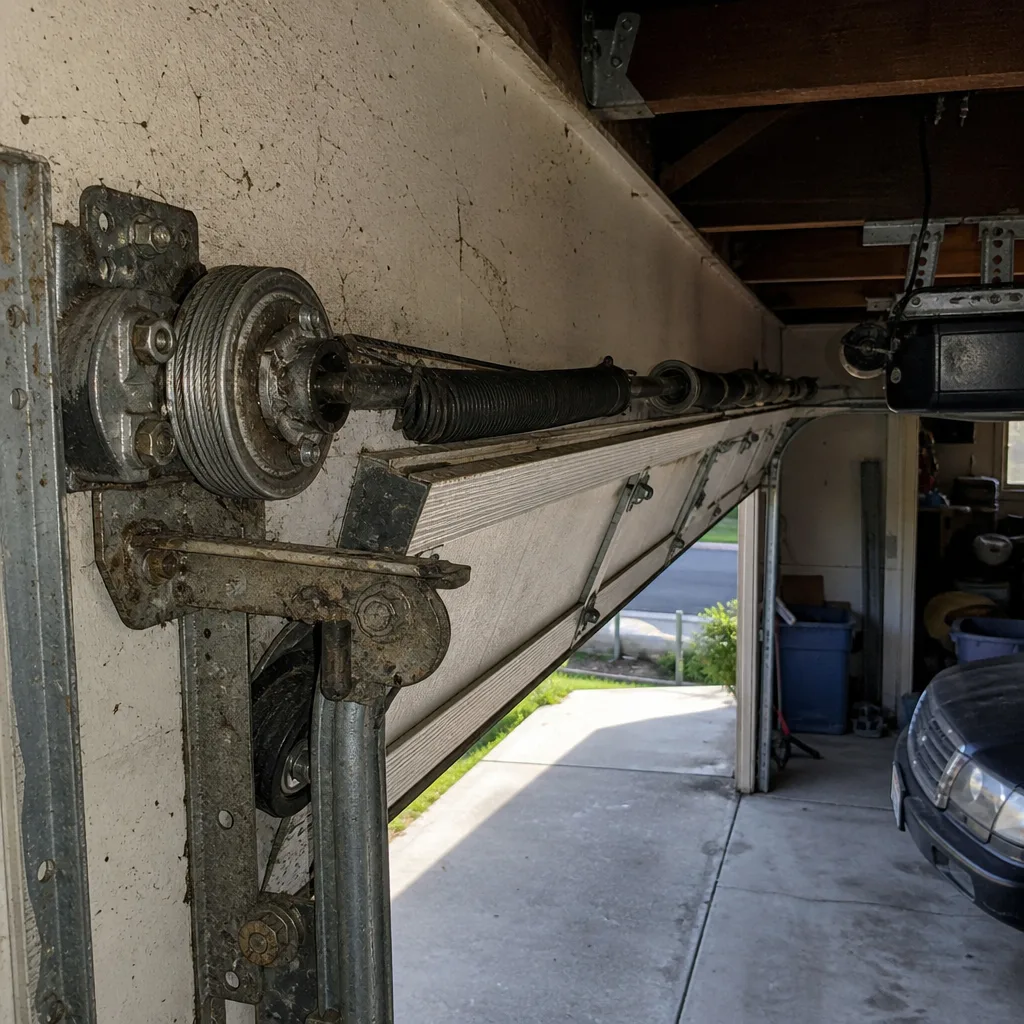 Before
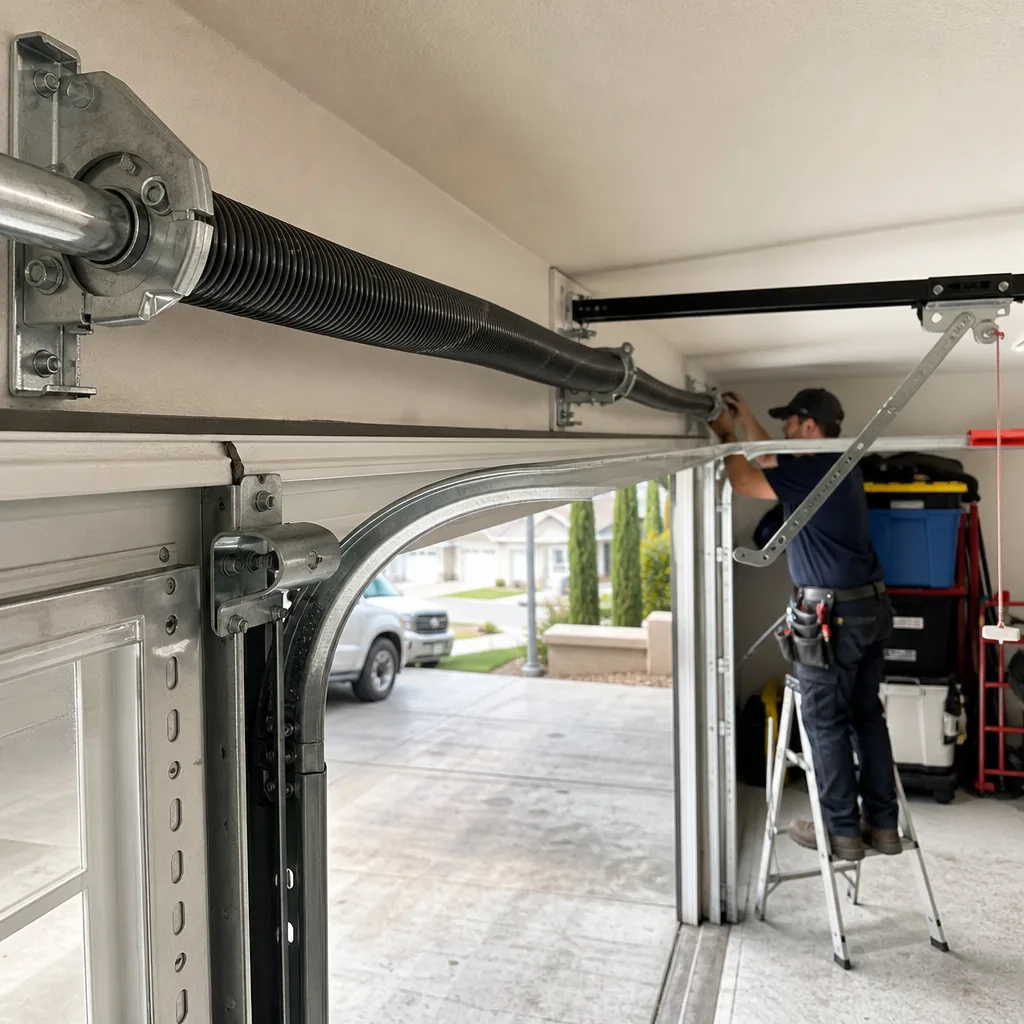 After
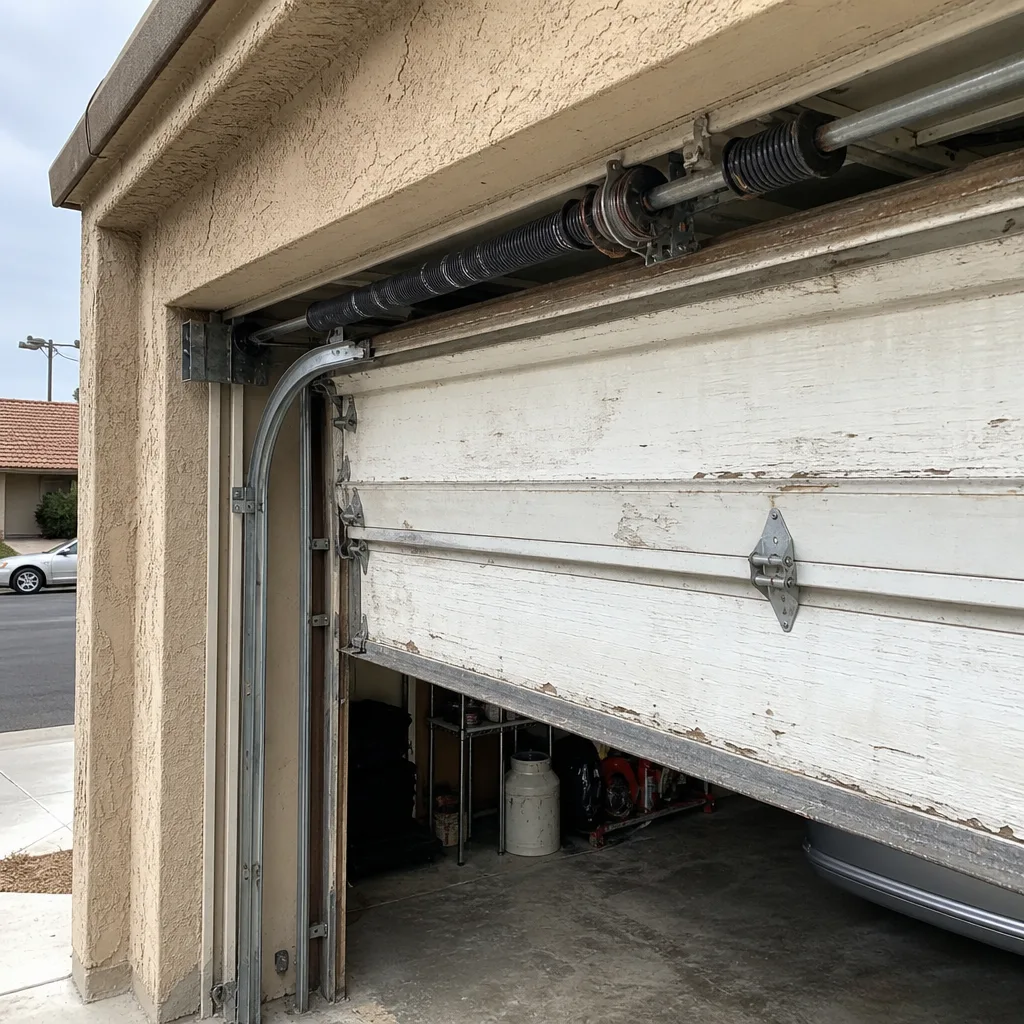 Before
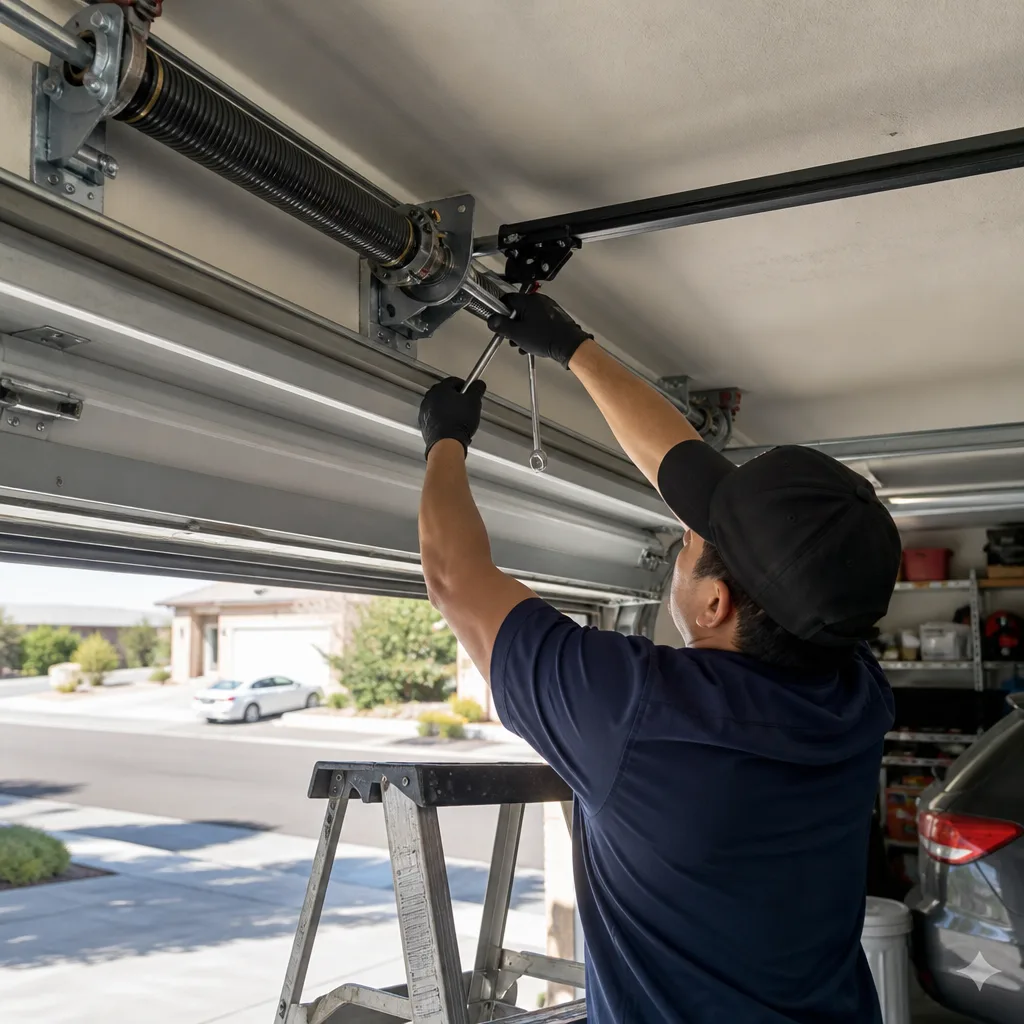 After
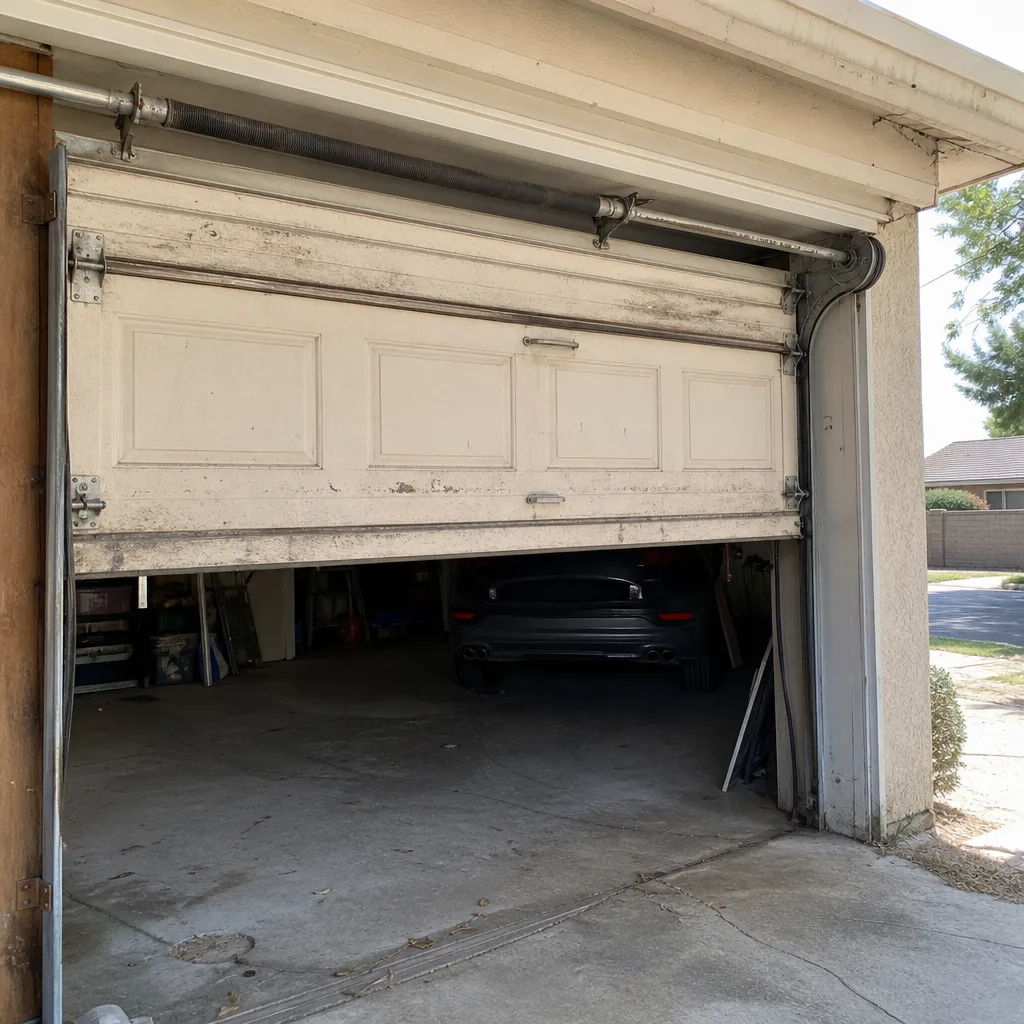 Before
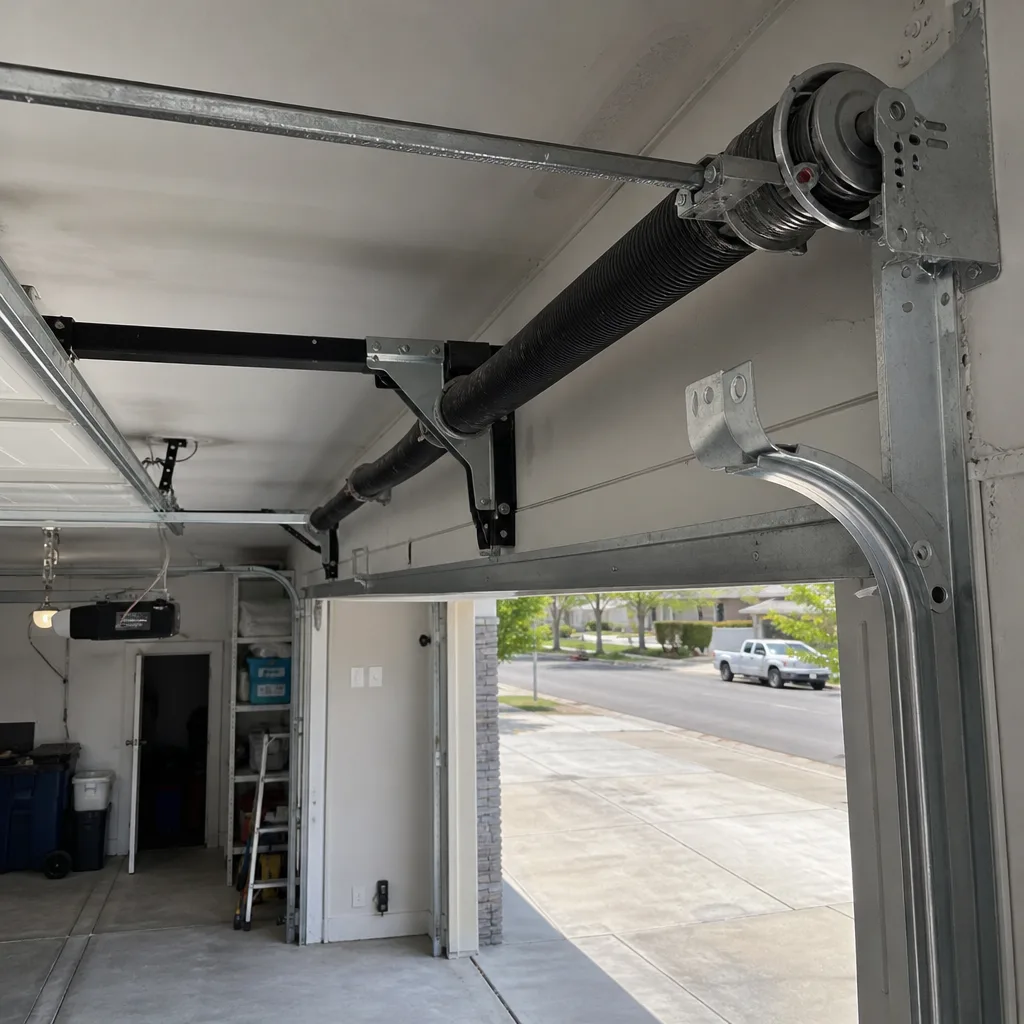 After