
Last updated November 2, 2026
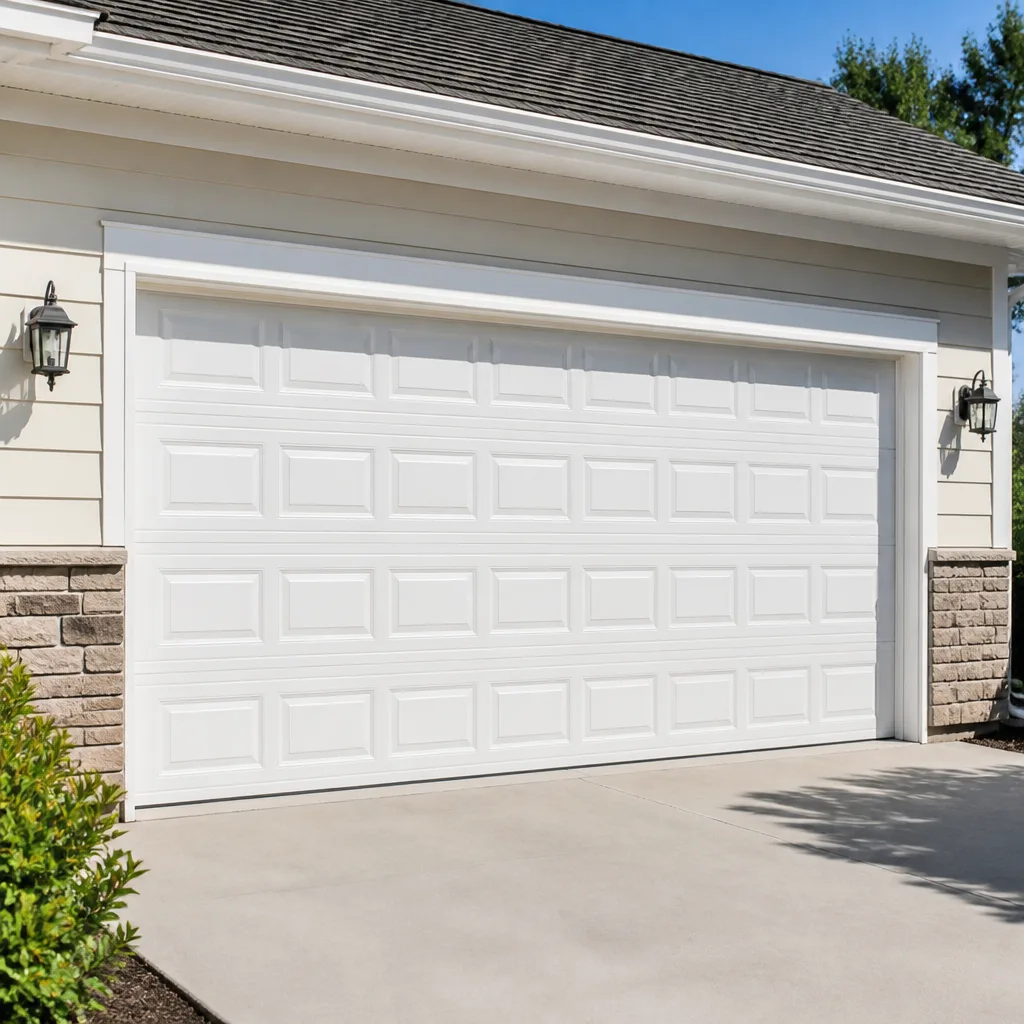 Raised-panel steel
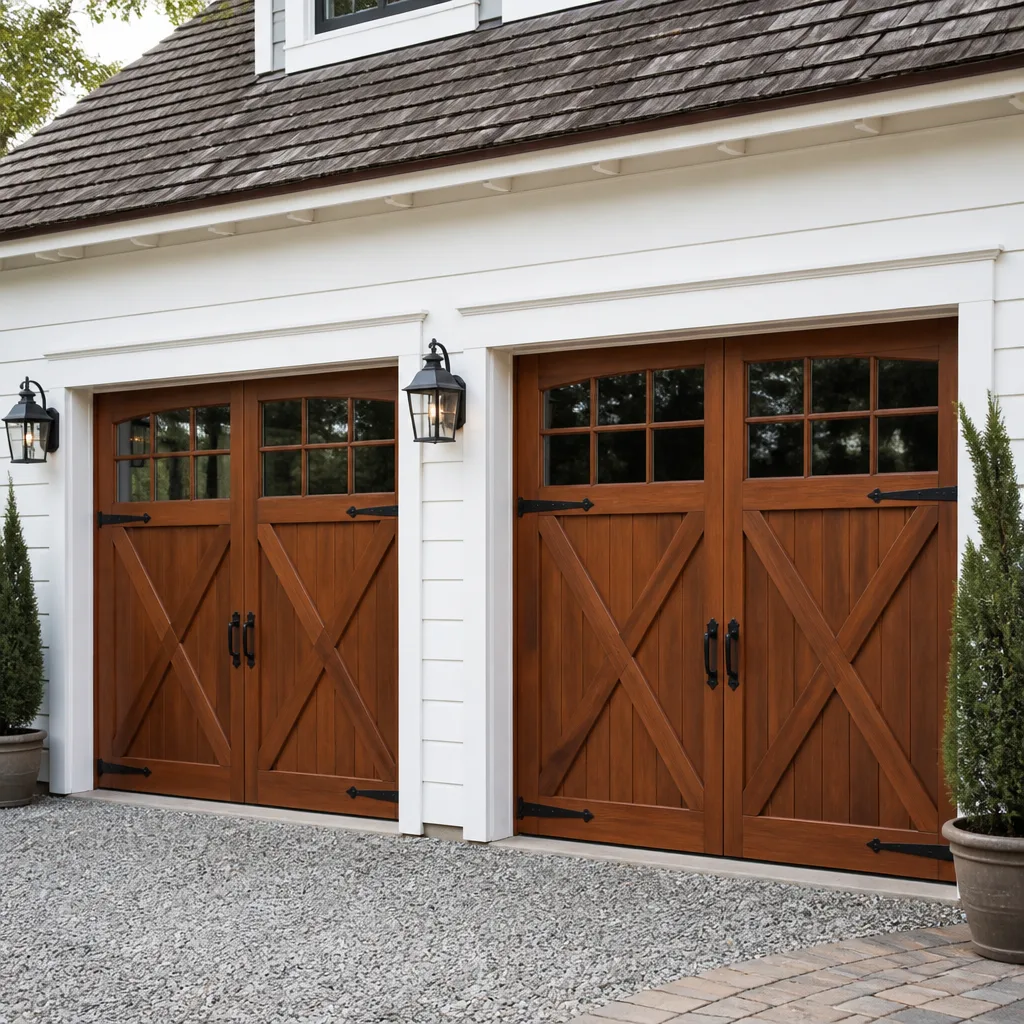 Carriage house
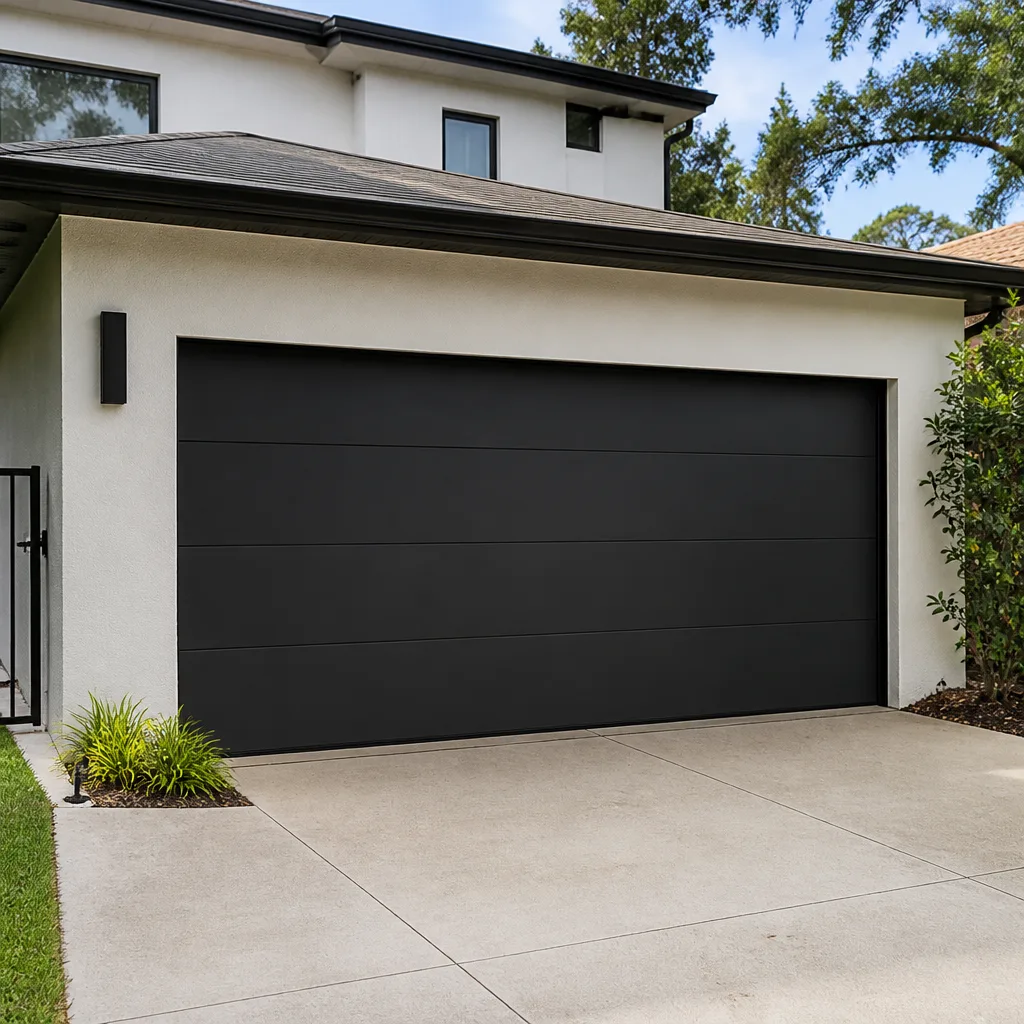 Modern flush
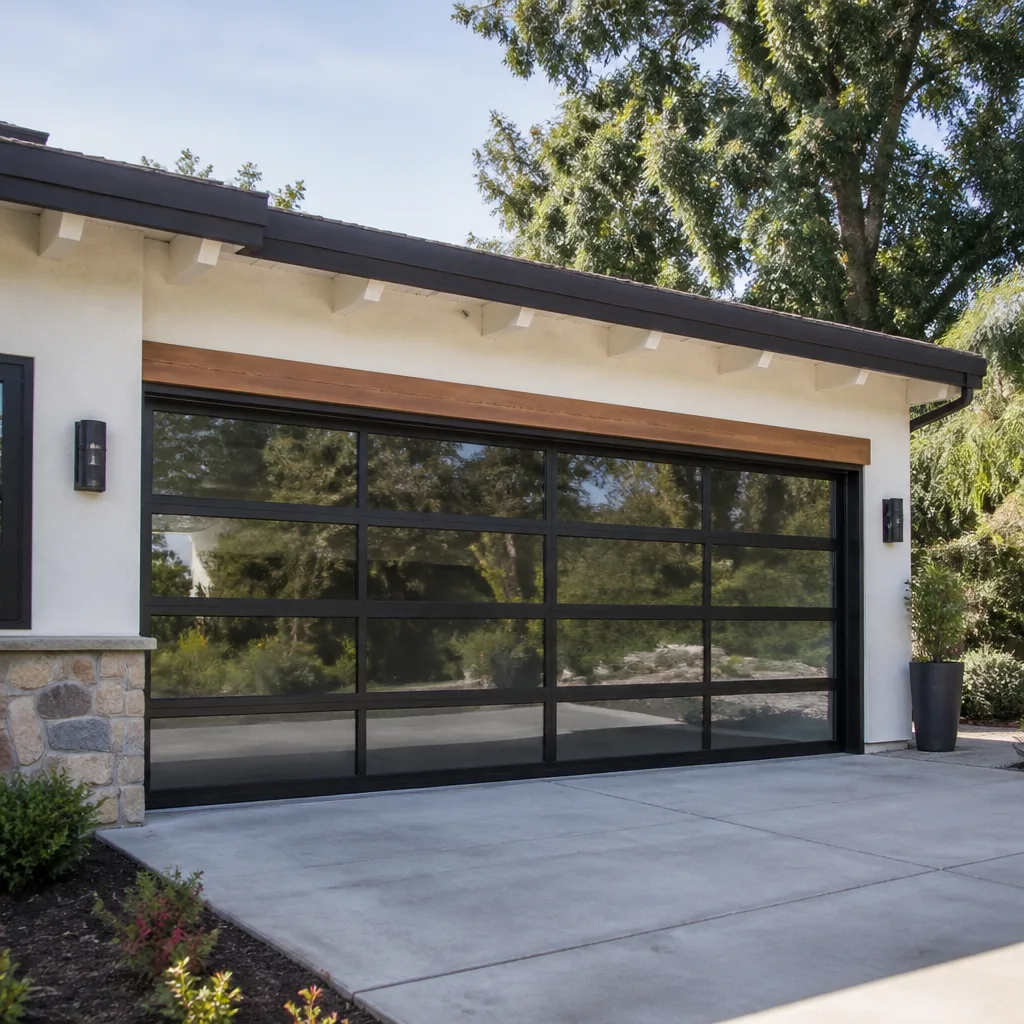 Full-view glass
 LiftMaster openers
 Chamberlain openers
Full 25-point door and opener safety check with every visit - springs, cables, rollers, tracks, and your LiftMaster or Chamberlain opener included
You get a price before we start. It does not change when the truck arrives.
Get your free estimateHow to Hire a Garage Door Contractor in Beaumont: A Step-by-Step Guide
Here’s a number most Beaumont homeowners never think to check: California requires every garage door contractor to hold a C-61/D-28 specialty license issued by the Contractors State License Board. Yet in a housing market growing as fast as Beaumont’s, a surprising number of installers and repair techs working the new-tract neighborhoods around Sundance and Tournament Hills advertise without one, betting you’ll never look. This guide walks you through exactly how to vet a contractor before they touch your door, what a legitimate estimate looks like, and the red flags that show up more often in fast-growing suburbs than anywhere else. For more guides & resources on garage door care, see our blog.
Styles & brands we work with
- Raised-panel steel
- Carriage house
- Modern flush
- Full-view glass
- LiftMaster openers
- Chamberlain openers
Quick Answer
To hire a garage door contractor in Beaumont, verify their C-61/D-28 license on the CSLB website, confirm they have experience with your specific door and opener brand, get a written estimate that itemizes parts, labor, and warranty terms, and ask direct questions about their repair-first approach before agreeing to any replacement. The whole verification process takes under five minutes if you know what to look for.
Table of Contents
- Step 1: Verify the C-61/D-28 License (Under 2 Minutes)
- Step 2: Ask About Multi-Brand Experience
- Step 3: What a Legitimate Written Estimate Must Include
- Step 4: How to Read Online Reviews in a Fast-Growing Suburb
- Step 5: Red Flags Specific to Beaumont’s Market
- Step 6: Questions to Ask Before You Sign Anything
- Common Mistakes to Avoid
- When to Call a Professional
- Frequently Asked Questions
- The Bottom Line
Step 1: Verify the C-61/D-28 License (Under 2 Minutes)
The first and most important step when hiring any garage door repair contractor in Beaumont is confirming they’re actually licensed to do the work. California is stricter than most states here: a general contractor’s license (Class B) doesn’t cover garage door installation. The contractor needs a C-61/D-28 specialty classification, which is the specific credential for door and gate work. We’ve seen handymen and general builders take garage door jobs in Beaumont’s newer developments without this classification, and the homeowner only finds out when the warranty gets voided or the work fails an inspection.
Here’s how to check in under two minutes:
- Go to cslb.ca.gov and click “Check a License” on the homepage.
- Enter the contractor’s name or license number. If they gave you a business card, the license number should be printed right on it. That’s actually a legal requirement in California.
- Look for “C-61/D-28” under classifications. If the license shows only “B” (general building), “C-10” (electrical), or anything other than D-28, they’re not licensed for garage door work specifically.
- Check the status. It should say “Active.” If it says “Suspended,” “Revoked,” or “Expired,” walk away immediately.
- Verify the business name matches. A license held under one name but business conducted under another is a common trick. The name on the license, the name on the estimate, and the name on the invoice should all match.
What license numbers should make you suspicious? A six-digit number starting with anything lower than about 700000 typically means the license was issued decades ago. That’s not inherently bad, but when a contractor who claims to have “years of experience” shows you a license number in the 900000s or higher, it means they’ve been licensed for only a handful of years. Experience claims that don’t match the license number are a red flag we’ve seen plenty of times in Beaumont.
Also worth knowing: working without the proper license on a job over $500 is a misdemeanor in California. If a contractor quotes you under $500 to avoid the licensing threshold, that’s another signal they’re unlicensed. Legitimate contractors don’t structure quotes to dodge state law.
Step 2: Ask About Multi-Brand Experience
This is the question that separates a garage door specialist from a one-brand installer: “Which brands do you actually work on?” A contractor who exclusively installs or services one manufacturer’s product line cannot objectively diagnose the system already hanging in your garage. They have an incentive to tell you it’s obsolete or beyond repair, because replacing it with their brand is how they make money.
Our position at Northgate Garage Door Repair is simple: we work on the brand you already own. That means LiftMaster, Chamberlain, Genie, Clopay, Amarr, Wayne Dalton, Craftsman, and Raynor, all under one roof. A Chamberlain opener with a failing logic board, a Genie screw drive that’s grinding, a Clopay door with worn rollers, or an Amarr panel that’s dented beyond repair: each gets diagnosed on its own terms, not through the lens of “what can we sell you instead.” If you’re weighing whether to repair or replace, our Complete Garage Door Repair Guide for Beaumont Homeowners breaks down what to expect.
Here’s what to listen for when you ask about brands:
- Do they name specific brands without hesitation? A tech who knows their stuff can tell you how a Wayne Dalton torsion system differs from a Clopay setup without pausing to think.
- Do they ask what you currently have before quoting anything? If they quote a replacement before asking about your existing door and opener, they’re not diagnosing. They’re selling.
- Can they explain the pros and cons of your current system? Every brand has known failure patterns. A Chamberlain belt drive and a Genie chain drive fail differently. A technician who understands the difference is worth the call.
- Are they qualified on the opener brands that matter? Garage door opener repair in Beaumont is where brand fluency matters most. LiftMaster and Chamberlain share parentage and are the most common smart-home-compatible openers installed across Riverside County. Genie and Craftsman represent much of the legacy stock in homes built before 2015. A contractor who only really knows one of these lines is guessing on the others.
In Beaumont specifically, the housing stock is unusually young compared to the rest of Riverside County. A large portion of homes in the Four Seasons, Fairway Canyon, and Sundance developments were built after 2010. Those doors often came from the builder with Chamberlain or LiftMaster openers and steel or vinyl doors from a handful of national manufacturers. An older home in the original Beaumont neighborhoods near downtown might have a Genie opener from the 1990s or a Craftsman unit installed in the 2000s. None of these are interchangeable, and a technician should know what they’re looking at within the first minute of the service call.
Step 3: What a Legitimate Written Estimate Must Include
Here’s where homeowners in a fast-growing market like Beaumont often get burned. A verbal quote sounds fine until the invoice arrives and the number has climbed by 40%. A written estimate that itemizes everything is your only protection against that. California law requires contractors to provide a written contract for any job over $500, but the word “written” covers a lot of ground. A piece of paper that says “garage door fix: $850” is technically written. It’s also useless when the spring breaks again in three months and the contractor claims the replacement “wasn’t covered.”
What we put in writing, and what you should insist on seeing from any contractor you hire in Beaumont:
- Specific parts with part numbers or clear descriptions. “Torsion spring replacement: pair of .250″ x 2″ x 32″ springs, rated for 20,000 cycles.” Not “springs, whatever size.” The cycle rating matters: a spring rated for 10,000 cycles lasts roughly 7-10 years of normal use. A spring rated for 20,000 cycles lasts twice as long and costs maybe $20-30 more per spring. Contractors who won’t specify what they’re installing are often installing the cheapest option at a premium price.
- Labor scope, broken down by task. “Remove old springs, install new springs, balance door, adjust opener force settings, test full cycle 3 times.” If labor is a single line item, ask them to break it down. You’re paying for each step, and you deserve to see what each step involves.
- Warranty terms in writing, with duration. We typically warranty parts and labor for a specific period, and we write that period on the estimate. If a contractor says “standard warranty” without specifying the duration, that’s not a warranty. That’s a wish.
- Total price, including tax and any trip or diagnostic fees. The estimate should have one number at the bottom that matches what you’ll pay. Not “plus parts” or “plus trip charge” appearing later.
- Timeline and access notes. When will the work happen, how long will it take, do you need to be home, is there anything you need to clear out of the garage first.
One more thing that belongs on the estimate, and it addresses the fear behind this entire guide: a statement that the price quoted is the price you pay unless you approve a change order in writing. We tell every Beaumont customer the same thing: the number we quote is the number we invoice. If we open the door and find something unexpected, we stop, show you, explain the options, and get your sign-off before proceeding. That’s not optional. It’s how the trade should work, and if a contractor won’t put it in writing, that tells you everything you need to know.
Step 4: How to Read Online Reviews in a Fast-Growing Suburb
Review culture in a fast-growing city is different from an established one. In a market like Beaumont’s, where the population has roughly doubled since 2010 and new neighborhoods are still going up along the 79 corridor and south of the 10, review counts are lower across the board. A plumber or electrician who’s been working in Riverside for 30 years might have 600 reviews. A garage door contractor who’s been serving Beaumont for a decade might have 150. That doesn’t mean the Riverside company is better. It means they’ve had 30 years to accumulate reviews from a much larger customer base.
Here’s how to evaluate what you’re actually looking at:
- Thin review volume is normal for Beaumont contractors. Don’t eliminate a company because they “only” have 40 or 80 reviews. Look at the content of those reviews instead. Do they mention specifics? “Fixed our Genie opener same day” tells you more than “great service” repeated 80 times.
- Fake reviews are easier to plant when volume is thin. When a company has 12 reviews and 8 of them were posted within a 3-week window, that’s a pattern. Legitimate review growth is steady and irregular. A burst of reviews right after a new Google Business Profile is created is worth a raised eyebrow.
- Read the 3-star reviews first. Five-star reviews are often written in the 10 minutes after a job is done. Three-star reviews are where customers explain what annoyed them. Sometimes it’s trivial (“the tech was 20 minutes late”). Sometimes it’s revealing (“they quoted $400 and the final bill was $700”). The pattern across 3-star reviews tells you more than any 5-star.
- Cross-check on Nextdoor and local Facebook groups. Beaumont has an active Nextdoor community, and neighbors in Sundance, Fairway Canyon, and the original downtown neighborhoods talk. Ask for garage door recommendations there and see which names keep coming up, and which ones come with caveats.
- Look for reviews that mention the specific problem you have. A review that says “they showed up, diagnosed a bad circuit board on our LiftMaster, replaced it, and explained everything” is worth 20 generic “great guys, would recommend” posts. Specificity in reviews maps to specificity in work.
And one point about review responses: a contractor who responds to negative reviews by arguing, blaming the customer, or explaining why the reviewer was wrong is showing you how they’ll treat you if something goes sideways. A contractor who responds calmly, addresses the specific complaint, and offers to make it right is showing you how they’ll handle problems. We read the response section as carefully as we read the reviews themselves.
Step 5: Red Flags Specific to Beaumont’s Market
Every market has its own version of contractor pressure tactics. In coastal cities, it’s “we can only get to you during tourist season.” In older cities, it’s “your system is so outdated we need to bring everything up to code.” In Beaumont, the tactics track the construction boom. Here’s what we hear from homeowners who call us after a bad experience with someone else:
“Limited parts availability. I need to order today.”
This one works in a market where supply chains are genuinely tight for certain things: water heaters, HVAC units, specific appliance parts. But garage door parts, especially springs, cables, rollers, hinges, and opener components for major brands like Chamberlain, Genie, and LiftMaster, are widely available through multiple distributors across the Inland Empire. If a contractor claims they need a deposit today because “parts are running out,” they’re creating urgency that doesn’t exist. We keep common parts stocked on our trucks for exactly this reason. The parts are not scarce.
“End of season pricing” or “builder closeout special.”
Garage doors don’t have seasons. They’re not air conditioners. A door that costs $2,800 in July costs $2,800 in January. The only thing that changes pricing is supply chain variation on raw materials, and that moves slowly, not “this week only.” A “closeout” on a door model might be legitimate if a manufacturer is discontinuing a line, but it’s rare, and it’s never communicated through door-to-door sales in a new-tract neighborhood.
Unsolicited offers from contractors working your neighborhood.
We hear this one a lot: a homeowner in Summerly or Tournament Hills answers the door to someone who says they’re “doing work down the street” and noticed the homeowner’s garage door “looks like it needs service.” A licensed, established contractor in Beaumont doesn’t prospect by knocking on doors and offering to inspect things uninvited. That’s a sales operation, not a repair company.
A “too good to be true” replacement door price.
New garage doors, installed, in Riverside County typically run from $1,500 to $4,500 depending on size, material, insulation, and hardware. If someone offers a new door installed for $800, that number only works if the door is bottom-spec builder-grade, the labor is being subsidized by volume, or the crew is cutting corners: no permit follow-up, used hardware, shims instead of proper leveling. We’re not saying every low price is a scam. We’re saying ask what’s inside that number.
Pressure to replace a repair-able door.
This is the one that bothers us most, because it’s the most common. A door with a broken spring, a snapped cable, a bent track, or a failing opener can usually be repaired. Repair is almost always cheaper than replacement, and a good repair extends the life of the door by years. But repair work doesn’t pay a contractor as much as a full-door replacement, so some companies push replacement as the “obvious” choice. If a contractor looks at your 8-year-old door and tells you it’s “at end of life” without explaining what a repair would cost by comparison, get a second opinion. When a door is truly end-of-life, we say so, and we explain why. When it’s not, we fix it and leave.
Step 6: Questions to Ask Before You Sign Anything
By now you’ve verified the license, confirmed the brand experience, reviewed the estimate format, and assessed the reviews. One more step: the direct conversation. Here are the questions that expose the most about a contractor, and the answers you’re looking for:
- “Are you licensed as C-61/D-28, and can you give me your license number so I can verify it?” Watch the reaction. A licensed contractor answers without blinking. An unlicensed one hesitates, changes the subject, or says something about being “insured, which is actually more important.” Insurance is important. It is not a substitute for a license.
- “Which brands and systems do you service?” You’re listening for specific brand names. “All of them” is not an answer. When we’re asked, we say: LiftMaster, Chamberlain, Genie, Clopay, Amarr, Wayne Dalton, Craftsman, and Raynor. That’s the answer that matters, and if they can’t produce a list, they probably only know one or two brands well.
- “Walk me through what you’ll do on the service call.” A real technician can explain their diagnostic process: check the balance, inspect springs and cables, test the opener force settings, listen for wear points, identify the failure, explain the fix. A salesperson talks about pricing tiers and financing.
- “What’s the warranty, and is it on the parts, the labor, or both?” Parts warranties vary by manufacturer. Labor warranties are on the contractor. Make sure you know which is which and for how long.
- “If you open this up and find something unexpected, what happens?” The answer should be: we stop, show you, explain the options, and get your approval before proceeding. Anything less than that is a blank check.
- “When you install a new door or opener, do you pull permits if they’re required?” In most Beaumont residential cases, a like-for-like door replacement or opener swap doesn’t trigger a permit. But structural modifications, new openings, or changes to the load path can. A contractor who says “we handle whatever permits are needed” is fine. One who says “you don’t need permits for anything” is guessing, and guesses become your liability.
Common Mistakes to Avoid
- Hiring based on the lowest quote without comparing scope. Two quotes that both say “garage door repair” can differ by $600 because one includes new hardware, balancing, opener adjustment, and warranty, and the other includes only the broken part. Compare the line items, not the total.
- Paying a large deposit before work starts. Standard practice in the garage door trade is payment on completion. A deposit may be appropriate for a custom-ordered door, but a 50% upfront payment for a spring replacement is not. In California, the legal limit for a deposit on home improvement work is the lesser of $1,000 or 10% of the project cost.
- Skipping the license check because “they seemed nice.” We’ve met plenty of unlicensed contractors who are very nice. Nice doesn’t mean insured. It doesn’t mean trained. It doesn’t mean accountable when something goes wrong.
- Accepting a verbal quote as final. “It’ll be around $350” becomes $575 when the invoice arrives. Get it in writing before work starts. Always.
- Replacing a door that could have been repaired. Repair is almost always cheaper than replacement, and it’s better for the environment too. A door with 15 years left on its structural life doesn’t need to go to the landfill because a spring broke. Ask for a repair quote before entertaining replacement.
- Ignoring the opener when the door itself is the problem. A door that’s off-balance will burn through opener gears and circuit boards. If a contractor only fixes the door and doesn’t check how the imbalance affected the opener, you’ll be calling again in six months. The good technicians check both, because the door and opener work as one system.
- Using a handyman for high-tension spring work. Torsion springs hold enough stored energy to cause serious injury or death if they release unexpectedly. This is not a job for a general handyman with a YouTube video. It’s specifically why California requires the D-28 classification. We never recommend DIY spring replacement, and we never recommend hiring anyone without the right license and training to do it.
When to Call a Professional
A garage door that’s off its track, a spring that’s snapped, an opener that’s dead, a cable that’s frayed: these are all professional calls, not weekend projects. The dangerous one is the torsion spring. Those springs counterbalance the full weight of the door, and when one fails or needs adjustment, the stored energy is enough to seriously injure someone who doesn’t know exactly what they’re doing. Even something that looks simple, like replacing a single roller on the bottom bracket, involves hardware under tension, and the consequences of a mistake are a door falling on whatever is beneath it.
If you’re in Beaumont and your door is acting up, Northgate Garage Door Repair offers free estimates. Call (833) 593-7152 and we’ll send a technician who can diagnose the actual system in your garage, explain what’s broken in plain language, and give you a written price before any work begins.
Frequently Asked Questions
Garage door repair in Beaumont typically runs $150 to $400 for common fixes like spring replacement, cable replacement, or track realignment, while opener repair runs $175 to $450 depending on the component. Full door installation runs $1,500 to $4,500 depending on size, material, insulation, and hardware. The spread is wide because the underlying work varies: a broken spring is a 45-minute job with a known parts cost, while a new door involves measuring, ordering, and several hours of labor. Call (833) 593-7152 for an exact quote, the estimate is always free.
Repair calls for a door that won’t open or close can usually be scheduled the same day or next day, and we carry common parts on our trucks so most repairs are completed in one visit. New door installation is different: that requires measuring, ordering, and scheduling, which takes a few days to a couple of weeks depending on the door. If your door is stuck closed or stuck open, call us at (833) 593-7152 and we’ll get a technician out as quickly as possible.
Look up the company on the Contractors State License Board website at cslb.ca.gov and verify they hold an active C-61/D-28 classification, which is the specialty license for door and gate work. If the license number doesn’t appear, if the status isn’t active, or if the classification isn’t D-28, don’t hire them. The whole check takes under two minutes and it’s the single most important thing you can do before any garage door work starts.
Northgate Garage Door Repair is trained on eight major brands: LiftMaster, Chamberlain, Genie, Clopay, Amarr, Wayne Dalton, Craftsman, and Raynor. We work on the brand you already have, diagnosing the actual system in your garage rather than pushing a replacement from a single manufacturer. Whether it’s a Chamberlain opener losing signal or a Genie chain grinding, our technicians see these brands every day.
A legitimate written estimate itemizes the specific parts with descriptions, breaks down the labor scope by task, states the warranty terms and duration, and gives one total price that includes everything. If the estimate is a single line that says “garage door repair: $400,” ask for the breakdown. If the contractor won’t provide one, that’s your cue to call someone else. A proper garage door installation estimate in Beaumont will be detailed, because the job itself is detailed.
The low quote usually reflects a different scope: cheaper springs with lower cycle ratings, no opener adjustment after the door work, a shorter labor warranty, or a crew that’s not licensed for D-28 work. Sometimes the low quote is legitimate, typically from a company with lower overhead. Ask what’s inside the number and compare line items, not the bottom line. The cheapest quote that covers less work isn’t actually cheaper.
The Bottom Line
Hiring a garage door contractor in Beaumont comes down to five steps: verify the C-61/D-28 license, confirm multi-brand experience, get a written estimate with itemized scope and warranty terms, read reviews for specifics rather than volume, and ask direct questions about what happens when the unexpected shows up. A fast-growing market attracts contractors who cut corners because they know most homeowners never check. The ones worth hiring are glad to show you their license number, explain what they’ll fix and how, and put it all in writing. That’s the standard Beaumont homeowners should hold every contractor to, and it’s the standard we apply to our own work every day.
Written by the team at Northgate Garage Door Repair, serving Beaumont since 2015.
See the difference
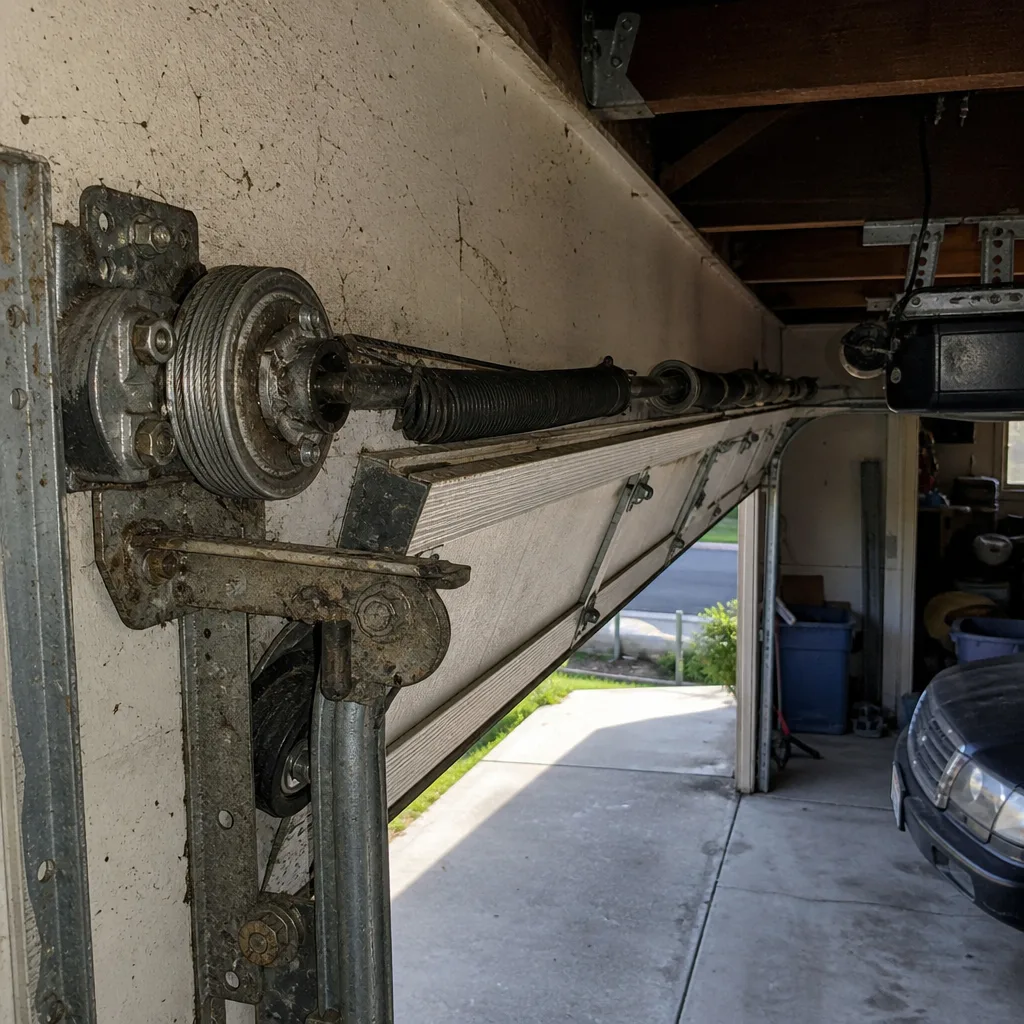 Before
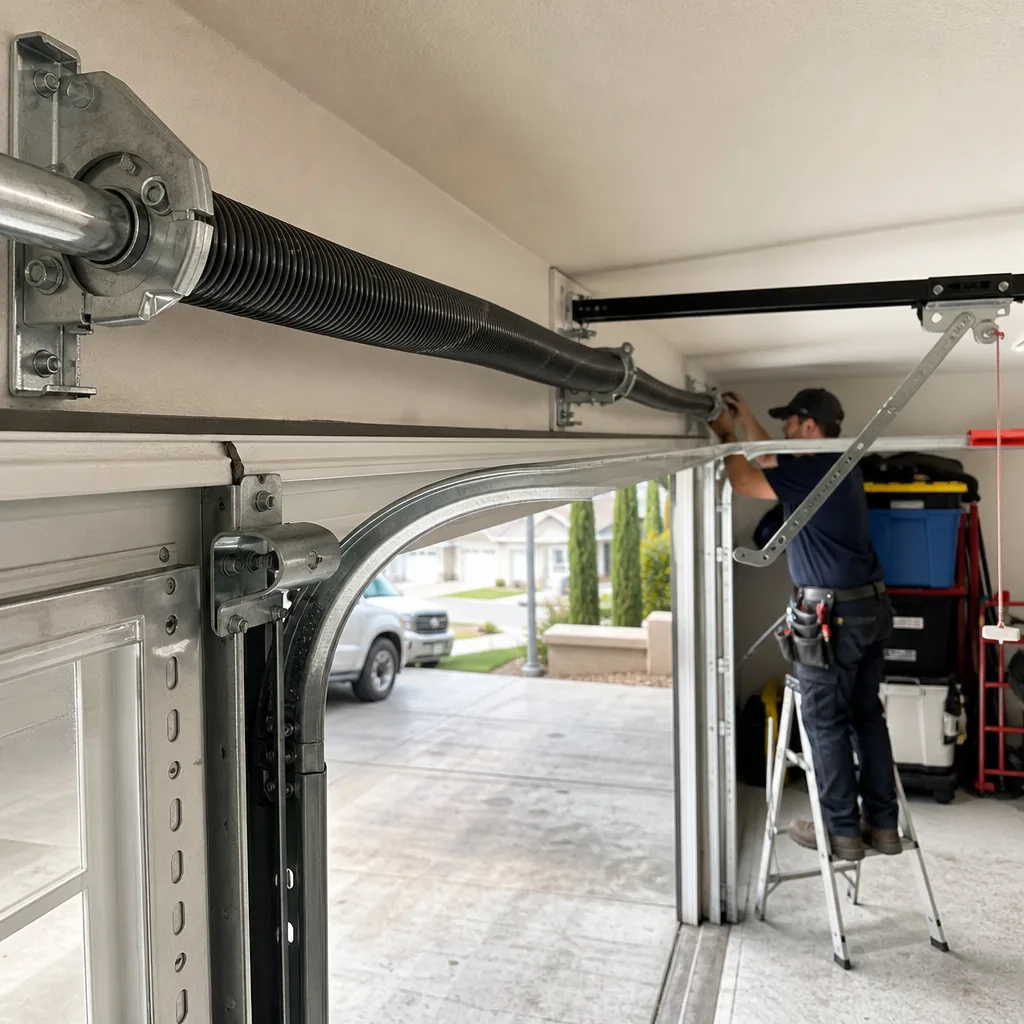 After
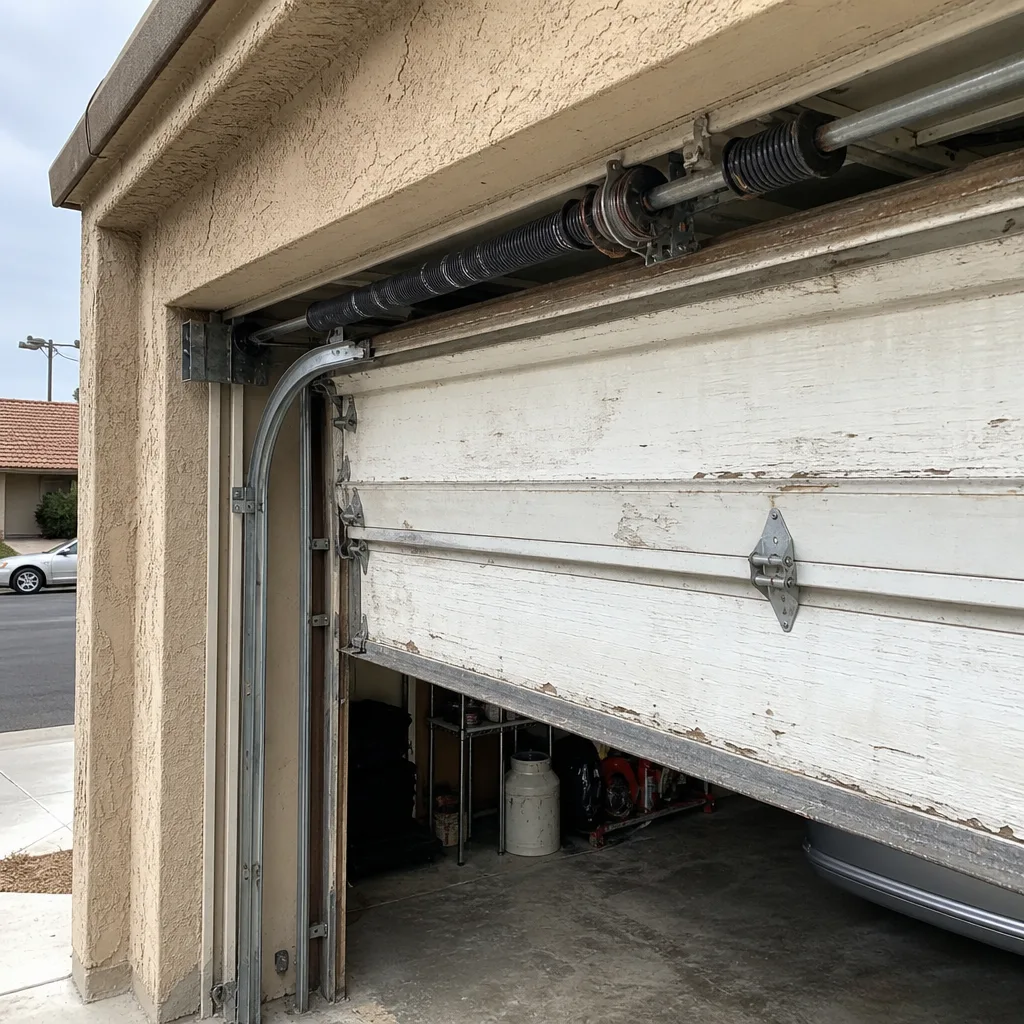 Before
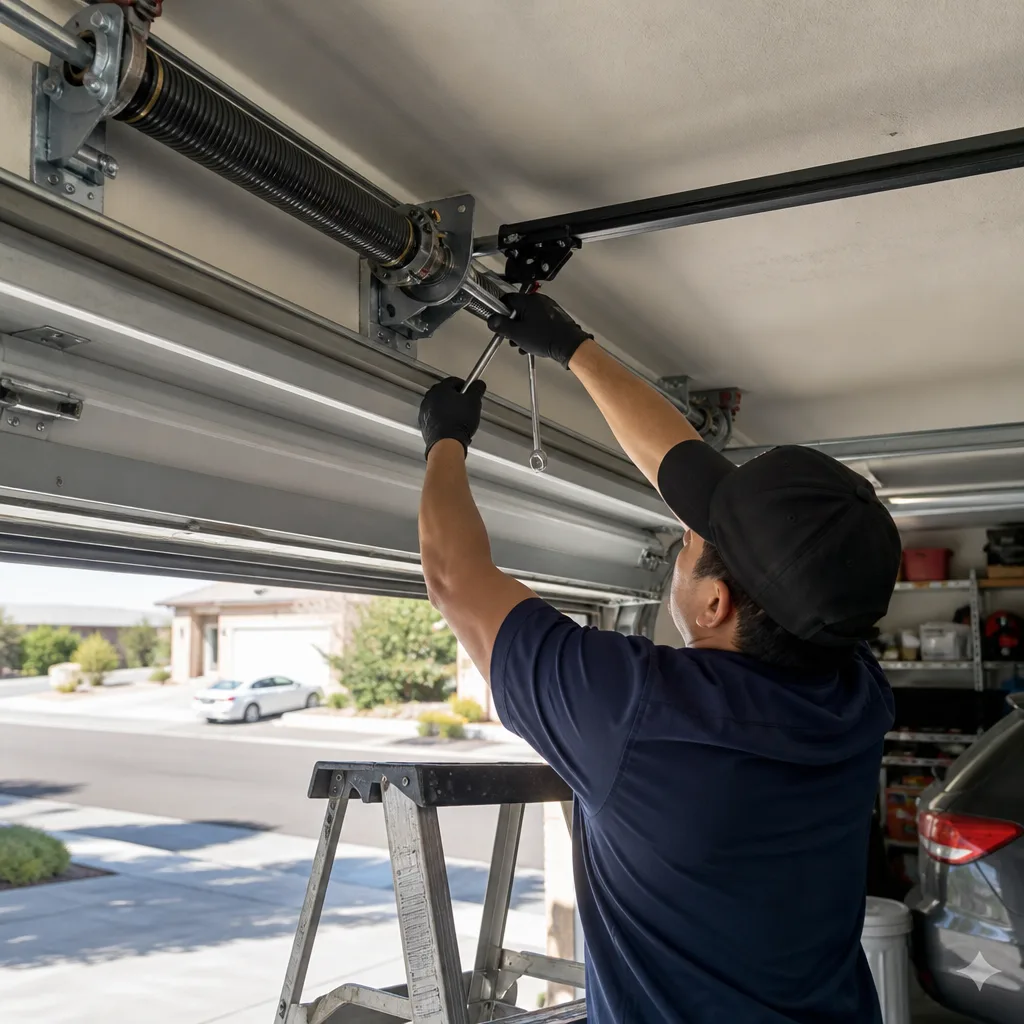 After
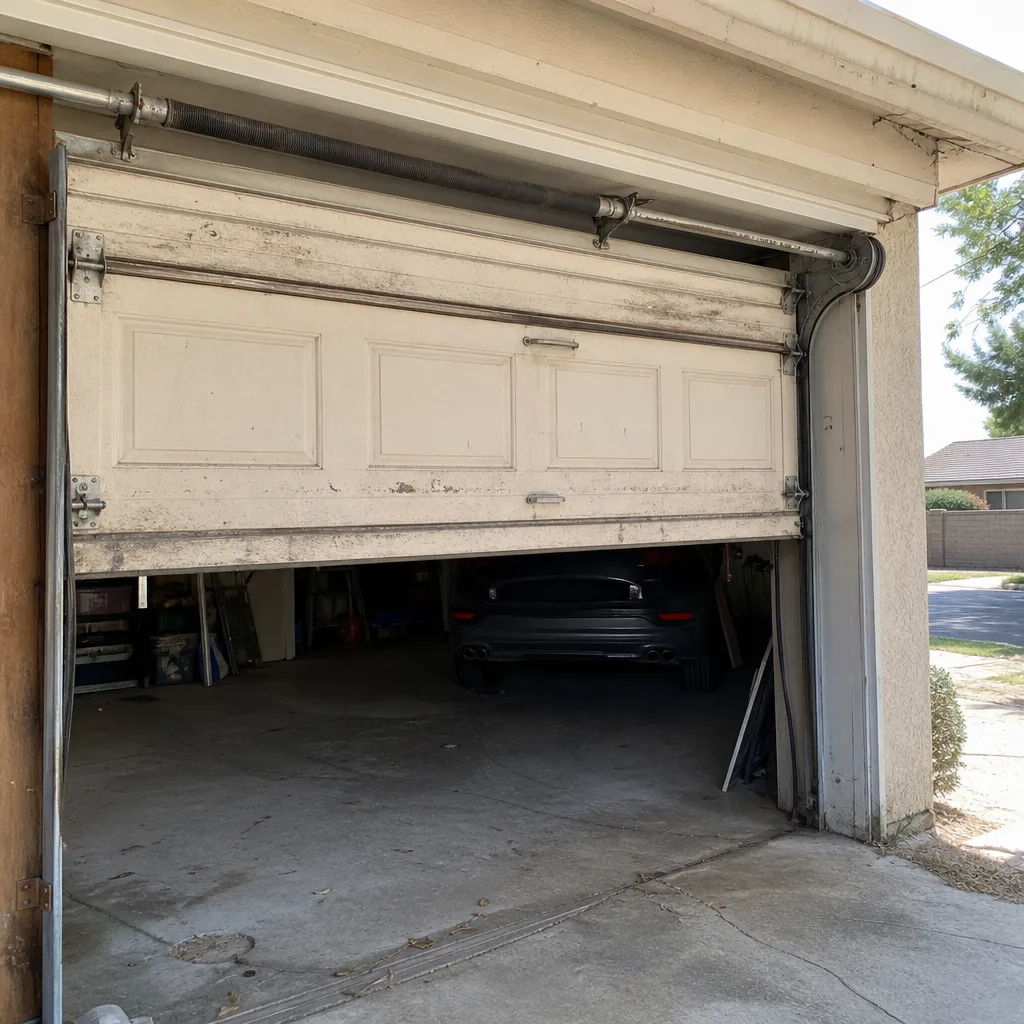 Before
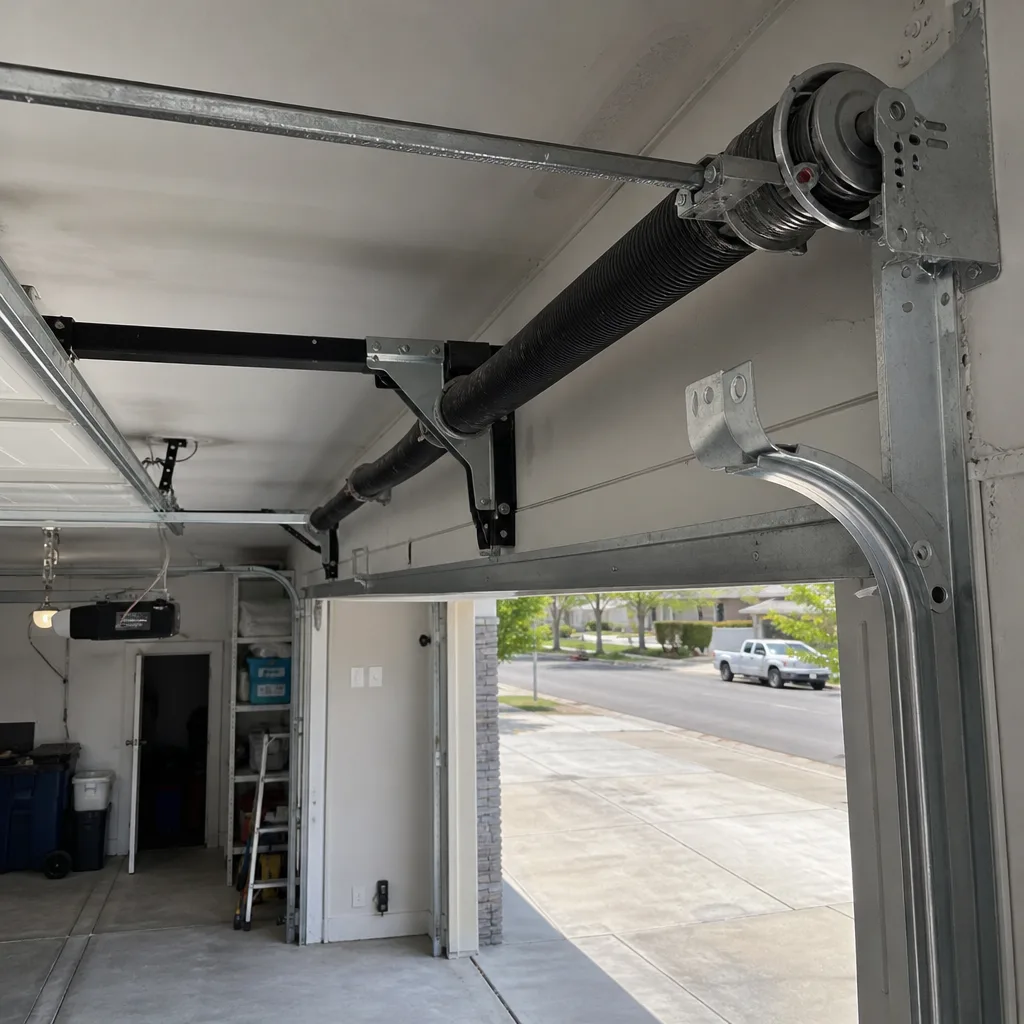 After