
Last updated November 2, 2026
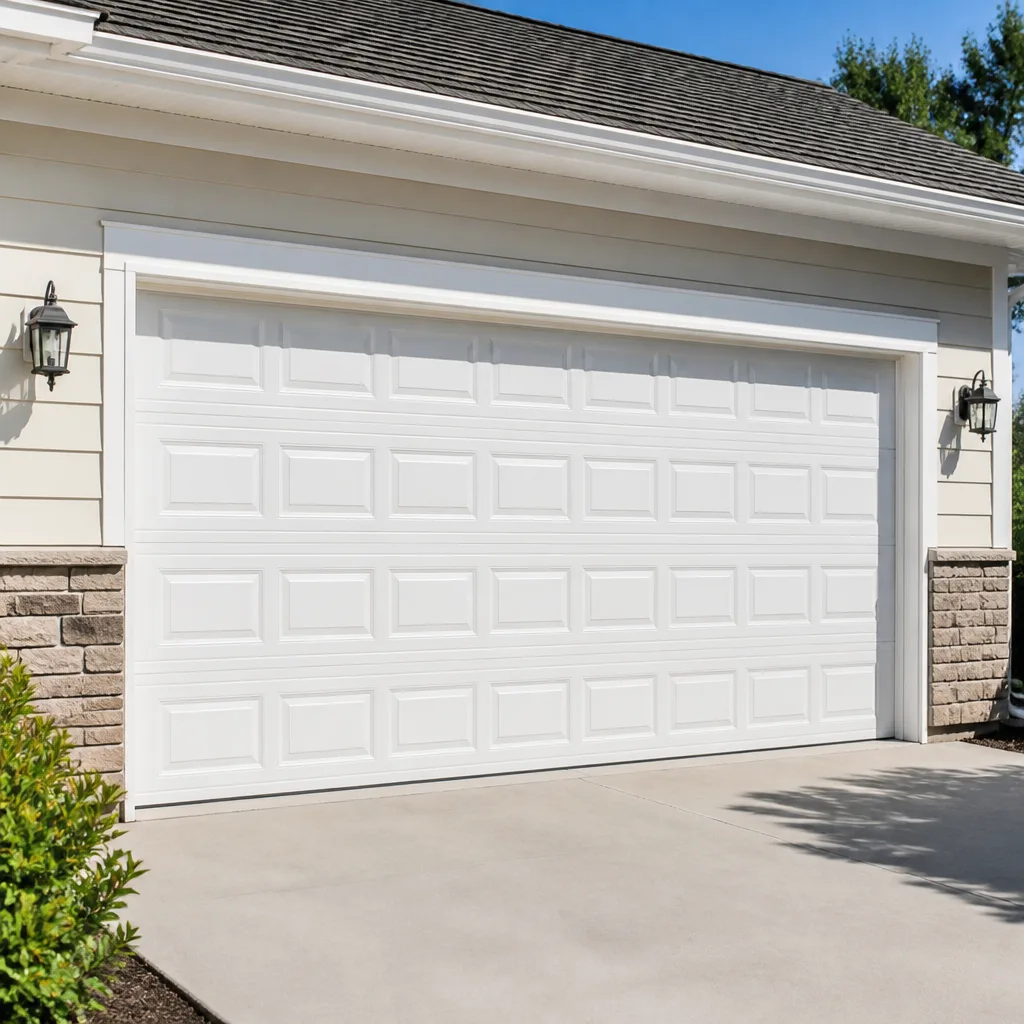 Raised-panel steel
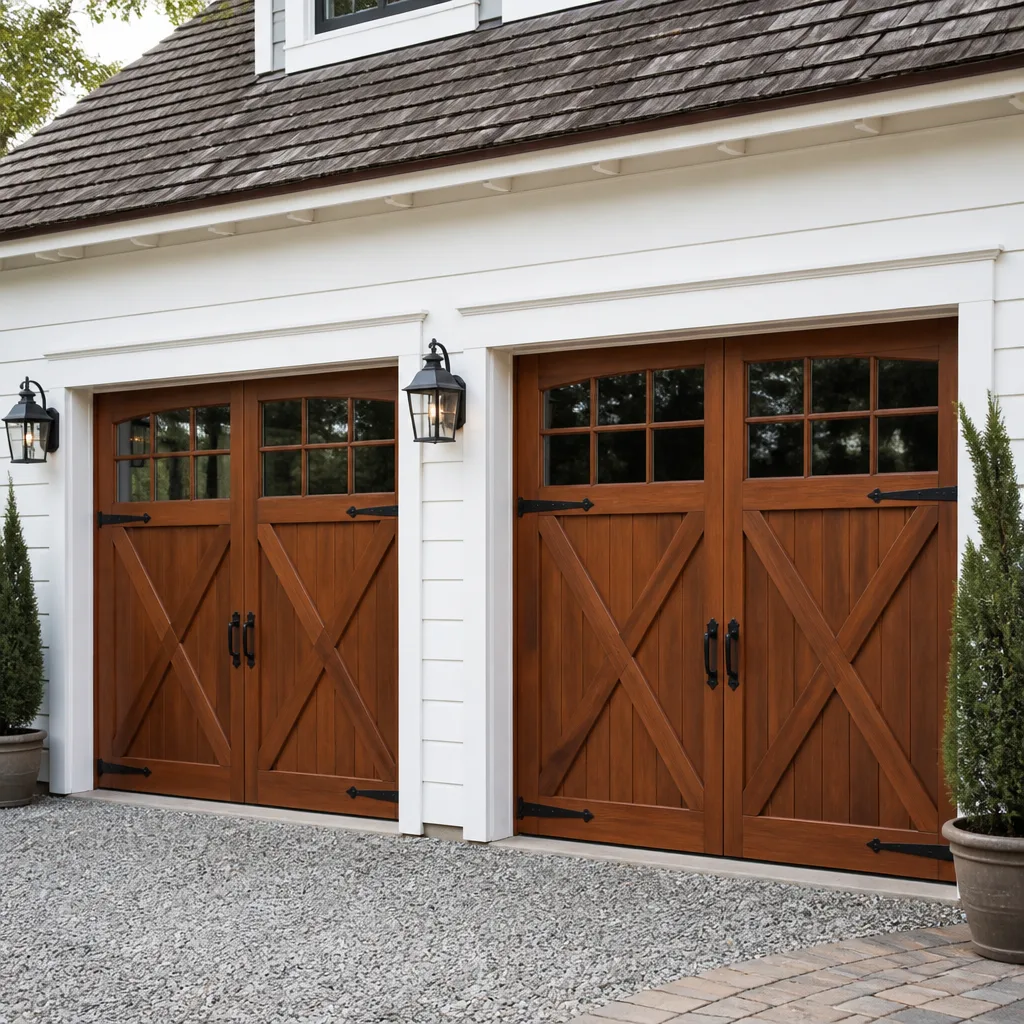 Carriage house
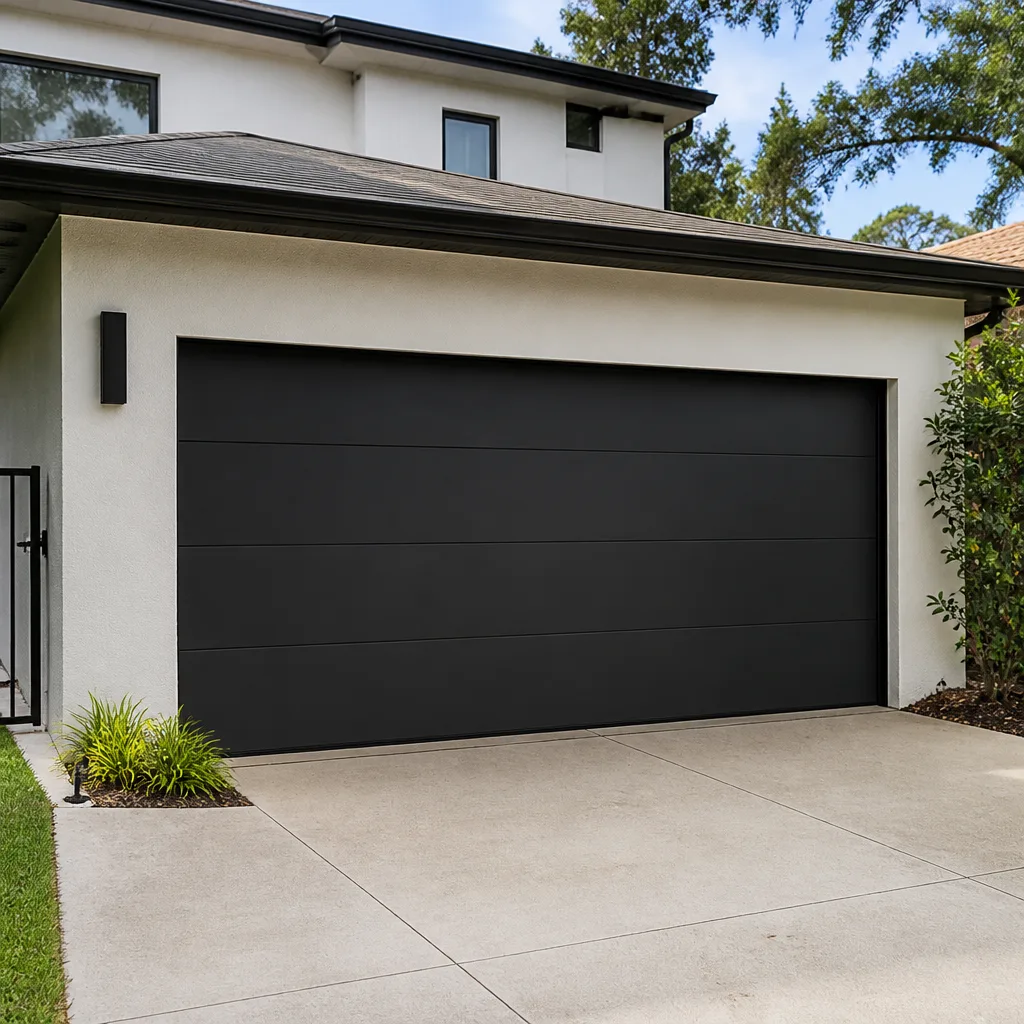 Modern flush
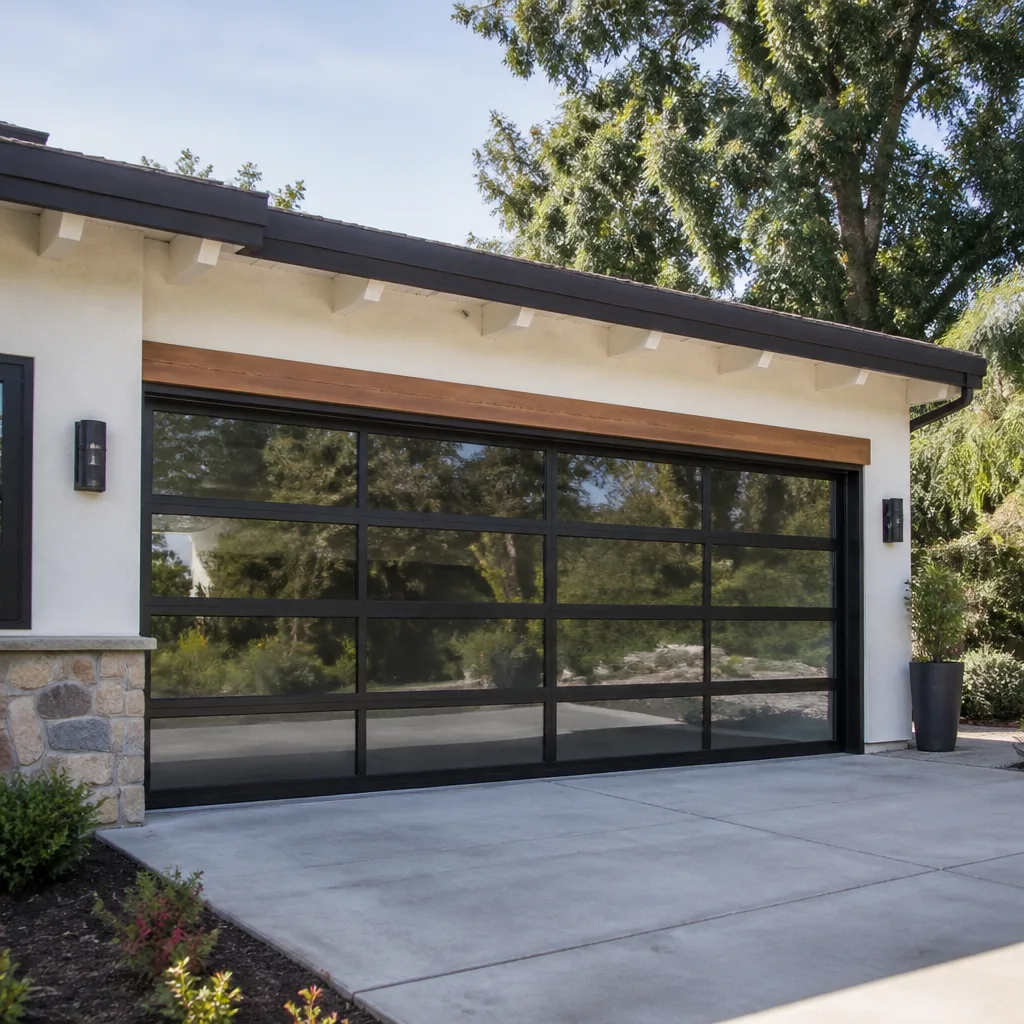 Full-view glass
 LiftMaster openers
 Chamberlain openers
Full 25-point door and opener safety check with every visit - springs, cables, rollers, tracks, and your LiftMaster or Chamberlain opener included
You get a price before we start. It does not change when the truck arrives.
Get your free estimateSeasonal Garage Door Care for Beaumont: Year-Round Homeowner’s Guide
Beaumont sits in a strange pocket of California weather. We’re at 2,600 feet on the San Gorgonio Pass, which means January can dip below freezing while August pushes past 105°F. In spring, sustained winds funnel through the pass at 50 mph or more. Your garage door is the largest moving object in your home, and it takes the full force of every one of those swings. Most seasonal maintenance guides are written for Phoenix or Chicago, not for a wind-corridor city in Riverside County where a door can face frost damage one week and heat-warped panels the next. This guide walks through what Beaumont homeowners actually need to do each season, when to do it, and which problems you can handle yourself versus which ones deserve a garage door repair call.
Styles & brands we work with
- Raised-panel steel
- Carriage house
- Modern flush
- Full-view glass
- LiftMaster openers
- Chamberlain openers
Quick Answer
Seasonal garage door maintenance in Beaumont means four distinct tasks per year: lubricate your rollers, hinges, and springs with a silicone-based lubricant (not WD-40) in fall and spring; inspect your bottom seal after every hard freeze in winter; check your track alignment and panel attachment points after spring wind events; and test your opener’s auto-reverse and force settings before summer heat puts extra strain on the motor. A homeowner spending 20 minutes per season on these items will prevent roughly 80% of the emergency calls we see year-round.
Table of Contents
- Why Beaumont’s Climate Punishes Garage Doors Differently
- Winter Prep: Freeze-Thaw Cycles and Your Bottom Seal
- Spring Wind Season: What the San Gorgonio Pass Does to Your Door
- Summer Heat Protocol: Torsion Springs, Opener Motors, and Panel Adhesives
- Fall Transition: Beaumont’s Sharp Day-Night Temperature Swings
- Month-by-Month Quick Action Calendar for Beaumont
- The Right Lubricant for Beaumont (and the Wrong One)
- Common Mistakes to Avoid
- When to Call a Professional
- Frequently Asked Questions
- The Bottom Line
Why Beaumont’s Climate Punishes Garage Doors Differently
Beaumont isn’t like Riverside or Redlands. We’re higher, drier, and windier. The city sits directly in the San Gorgonio Pass, a natural wind tunnel between the San Bernardino Mountains and the San Jacinto Mountains. When high pressure builds over the Great Basin, wind accelerates through that gap and slams into Beaumont, Banning, and Cabazon at speeds that regularly exceed 50 mph. Those are the gusts that rip shingles, topple patio furniture, and twist garage door panels off their tracks.
But wind is only one stressor. Beaumont’s elevation means we get occasional hard freezes between late December and February. A freeze-thaw cycle happens when moisture seeps under the bottom seal, freezes overnight, expands, and forces the seal away from the concrete slab. Repeat that a few times and you’ll notice daylight under the door, along with mice, dust, and a loud whistle on windy nights.
Then summer arrives. Sustained 100°F-plus days in Beaumont aren’t occasional; they’re routine from July through September. Metal expands. Grease thins and drips. Composite panels soften. Rubber seals and weatherstripping degrade faster under UV than they would in coastal cities.
What this means: a generic four-season garage door checklist written for a mild climate will miss the actual failure points in Beaumont. The specific sequence of freeze, wind, heat, and temperature swing is what kills hardware here. Knowing the sequence means knowing what to inspect and when.
Winter Prep: Freeze-Thaw Cycles and Your Bottom Seal
Beaumont winters aren’t brutal by Midwest standards, but they’re cold enough to matter. The average low in January sits around 37°F, and hard-freeze nights below 28°F happen often enough that any homeowner here has seen frost on the windshield. The garage door component that suffers most from cold is the bottom seal, also called the astragal.
The freeze-thaw problem works like this: daytime temperatures climb into the 50s or 60s, any pooled water on the garage floor evaporates or spreads, and at night the temperature drops below freezing. Moisture wicks under the rubber seal, ice crystals form and expand, and the seal gets pried away from the slab. Once the seal lifts even an eighth of an inch, wind pushes through the gap. We’ve seen doors in Beaumont’s Tournament Hills and Solera neighborhoods where winter wind noise through a failed seal was louder than the opener itself.
Before winter sets in each year, do this five-minute check:
- Close the door completely and look along the entire bottom edge from inside the garage.
- Look for daylight between the rubber seal and the concrete floor. Pay close attention at the corners, where seals fail first.
- Run your hand along the seal (with the door closed). You’re feeling for cracks, flat spots, or sections that feel stiff and hardened rather than pliable rubber.
- Check the J-channel the seal slides into. If it’s bent, crushed, or rusting, the seal won’t seat properly even if the rubber is still good.
- If you see daylight, hardened rubber, or corners peeling away, it’s time to replace the seal. The part itself is inexpensive. The labor takes about fifteen minutes.
If you find gaps, address them before the first freeze. A new bottom seal keeps cold air, dust, and rodents out. It also helps your heater work less and keeps the garage interior closer to ambient ground temperature, which protects whatever you store in there.
Spring Wind Season: What the San Gorgonio Pass Does to Your Door
Spring in Beaumont means wind. Not a breeze, but the sustained 30-50 mph events that come off the pass and distribute patio cushions across the neighborhood. These winds push against the full face of a sectional garage door, and a door in good condition handles it. A door with loose hinges, a bent track, or worn rollers will not.
After any significant wind event in Beaumont, meaning sustained gusts above 35-40 mph, do this inspection before assuming the door is fine:
- Open the door halfway and let it sit. If it slides back down, the spring tension is off. If it drifts upward, that’s also a spring issue.
- Watch the door run through a full open-close cycle while standing inside the garage. Look at the rollers in the vertical tracks. Any wobble, bouncing, or metal-on-metal squeal means a roller is failing or a track has shifted.
- Check all hinges where panels join. Wind force concentrates at the hinge points. Loose or cracked hinges are the number one wind-damage item we see in Beaumont every spring.
- Look at the horizontal tracks above the door, near the ceiling. Wind pressure can bow these tracks inward, which makes the door bind when opening.
- Run your hand along the top of each panel edge. If you feel any separation or lifting of the panel from its stile, the door took a hit and should be evaluated.
Wind also throws debris. In east Beaumont and areas near open fields, we see gravel and small stones embedded in track channels after wind events. Check the vertical tracks for anything that could catch a roller and yank a cable loose. A visual sweep with a broom or compressed air takes one minute and prevents a more serious failure.
If you find bent tracks, cracked hinges, or a door that won’t balance at the halfway point, that’s a repair call, not a DIY fix. Torsion springs are under extreme tension and hinge failures compromise the door’s structural integrity while it’s moving. Northgate Garage Door Repair handles these wind-related issues regularly. Call (833) 593-7152 and a technician can schedule a look at your exact system, whether it’s a Genie, Clopay, or any of the other major brands installed in Beaumont homes.
Summer Heat Protocol: Torsion Springs, Opener Motors, and Panel Adhesives
Beaumont regularly hits 100°F and above from late June through early September. The heat doesn’t just make your garage uncomfortable, it changes the physical behavior of every metal and composite part on your door.
Torsion springs are the most heat-sensitive component. These springs are wound under enormous torsional stress, and that stress changes with temperature. When it’s 105°F, the metal expands slightly and the effective spring force shifts. A spring that was perfectly balanced at 70°F will behave differently at 105°F, which is why doors that worked fine in spring suddenly feel heavy or sloppy in August. It’s not your imagination. The spring’s metal is literally changing dimension.
Opener motors also work harder in heat. Most residential openers use a DC motor with a thermal overload cutoff. When the garage interior is 115°F and the motor is running its normal cycle, it’s closer to its thermal limit than it would be at 70°F. An opener that runs fine for years in coastal temperatures may trip its thermal overload on a hot Beaumont afternoon, especially if it’s an older model or if the door is slightly out of balance, which makes the motor work harder.
Panel adhesives are the quiet heat failure. Many modern composite and steel door panels are laminated with adhesives that are rated for continuous service at certain temperatures. Beaumont’s sustained 100°F-plus days can soften those adhesives, particularly on south-facing doors that get direct sun from mid-morning to late afternoon. What you notice is panel delamination: the outer skin separates from the core, visible as a slight bubble or wave in the panel face.
The summer protocol for Beaumont homeowners:
- During the first hot spell, run the door through a full cycle and listen. A door that’s sluggish, a motor that sounds like it’s straining, or a cycle that’s slower than it was in spring all indicate heat-related stress.
- Check the door balance at the halfway point. If it won’t hold position, the spring needs adjustment, which is a job for a technician with the right winding bars.
- Feel the door surface on south-facing panels mid-afternoon. If you notice any bubbling, wave pattern, or softness, document it with a photo. Panel delamination doesn’t reverse, and early detection can mean a panel replacement instead of a full door replacement later.
- Test the opener’s auto-reverse by placing a roll of paper towels under the closing door path. It should reverse on contact. Heat can affect sensor alignment and force settings, so this test matters more in summer than any other season.
Heat also breaks down the lubricant on your moving parts, which is why the next section matters.
Fall Transition: Beaumont’s Sharp Day-Night Temperature Swings
Beaumont’s fall is what surprises newcomers. Days in October and November can still reach the 80s, but nights drop into the 40s or lower. That’s a 30-to-40-degree daily swing, among the sharpest in the region. What matters for your garage door: thermal cycling.
Metal expands during the day and contracts at night. Repeated daily cycles cause fasteners to loosen, small cracks in tracks to propagate, and lubrication to migrate. This is why fall is the season to inspect everything that moves, before the cold makes hardware brittle.
Your fall transition checklist in Beaumont:
- Inspect every hinge bolt, track-bracket bolt, and roller carrier nut. Hand-tighten anything loose with a socket wrench.
- Examine the torsion spring for any sign of rust or metal fatigue. Surface rust is normal in our dry climate; a visible crack or separation is not.
- Check the weatherstripping on the sides and top of the door opening, not just the bottom seal. Our sharp temperature swings dry out and crack vinyl weatherstripping faster than you’d expect.
- Test the opener’s force settings. Run the door through a full cycle and note if it’s slower, noisier, or hesitates at any point.
- Clean the photo-eye lenses at the bottom of the track. Dust from Beaumont’s dry fall winds coats these sensors and causes phantom “the door won’t close” problems.
This is also the right time to apply lubricant to rollers, hinges, spring coils, and the opener rail. Fall lubrication absorbs the thermal cycling of winter and spring better than lubrication applied in January, when cold metal makes lubricant application less even.
Month-by-Month Quick Action Calendar for Beaumont
Here’s a month-by-month action plan that matches Beaumont’s actual climate pattern, not a generic template. Each item takes 10 to 20 minutes unless noted.
- January: After any freeze night, check the bottom seal for gaps. If you hear wind whistling under the door, seal replacement is overdue.
- February: Inspect all hinges and brackets for looseness. The freeze-thaw cycle of the prior month loosens fasteners. A once-over now prevents bigger problems in spring wind season.
- March: First spring wind event will arrive. After the first sustained 40-plus-mph day, run the door through a full cycle and look for track shift, roller wobble, or any new noise.
- April: Clean the track channels. Wind season carries gravel, sand, and dust into the vertical tracks. Compressed air works, or a quick brush-out.
- May: Full lubrication of rollers, hinges, spring coils, and opener rail. Use a silicone-based lubricant, never WD-40.
- June: Before the first sustained 100°F spell, test the opener’s auto-reverse. Heat can affect sensor alignment.
- July: Monitor door balance at the halfway point during the hottest weeks. A door that drifts downward when opened halfway needs spring adjustment.
- August: Inspect south-facing panels for delamination, bubbling, or softening. Document anything you find with photos.
- September: Second full lubrication of the year, this time to prepare for the sharp fall temperature swings.
- October: Clean photo-eye lenses and check all weatherstripping. Beaumont’s dry fall dust coats sensors fast.
- November: Tighten hardware after months of thermal cycling. Every bolt, every hinge, every track bracket.
- December: Replace the bottom seal if it’s been two years or more since installation. Do it before the first hard freeze, not after.
The Right Lubricant for Beaumont (and the Wrong One)
Lubrication is the single highest-value maintenance task for garage doors in Beaumont, but only if you use the right product. The wrong product does more harm than skipping lubrication entirely.
The right lubricant for this climate is a silicone-based garage door lubricant, the kind sold specifically for door hardware. Silicone stays viscous at Beaumont’s winter lows (high-20s°F on hard-freeze nights) without gumming up or collecting dust in summer. It also doesn’t break down as quickly under 100°F-plus heat, which matters here more than in coastal cities.
The wrong lubricant is WD-40. It’s a penetrant, not a lubricant. It displaces moisture, which sounds useful, but it also strips away the existing lubricant film and leaves metal parts essentially dry within days. In Beaumont’s hot, dusty summers, WD-40 on rollers or springs becomes a magnet for grit that grinds down bearings and coils.
Lithium grease is also wrong for most applications. It’s too thick for rollers in cold weather and it hardens in cold temperatures, which is exactly what Beaumont’s winter nights don’t need. Heavy grease on spring coils also traps dust and breaks down into a gummy residue in heat.
What to lubricate, in order:
- Roller bearings (if you have roller bearings that are exposed; sealed-bearing rollers from brands like Amarr or Wayne Dalton are permanently lubricated and should be left alone).
- Hinge pivot points where the hinge halves meet.
- Torsion spring coils, applying a light, even coat across the full length of the spring.
- The opener rail and chain or belt, if your manufacturer recommends it.
- The lock device, if your door has one.
Twice a year is the right frequency for Beaumont: once in May before heat season, once in September before the fall temperature swings. If you have a wood door or a door with exposed steel components, a third application in January helps counteract winter moisture.
Common Mistakes to Avoid
- Using WD-40 on rollers and springs. It strips the lubricant that’s there and attracts dust, which is plentiful in Beaumont’s dry climate. You end up with more friction, not less.
- Ignoring the bottom seal until you see daylight. By the time you can see a gap under the door, the seal has been failing for weeks. Freeze-thaw cycles in Beaumont accelerate the damage.
- Waiting until the first 100°F day to test the opener. Opener motors in Beaumont garages already run near their thermal limits in summer. Test in May and June before the heat wave arrives, not during it.
- Assuming a door that survived a wind event is undamaged. Wind damage to hinges and tracks is cumulative. A door that took three hard wind hits will not automatically be fine on the fourth. Inspect after each significant event.
- Lubricating without cleaning first. Beaumont’s dust coats everything. Spraying lubricant over dust creates a grinding paste. Wipe components down before you lubricate.
- Over-tightening hardware in changing temperatures. Metal expands and contracts daily during Beaumont’s fall swings. Over-tightened bolts can crack track brackets or shear hinge pins. Snug is correct; gorilla-tight is not.
- Replacing an entire door because one panel delaminated. In most cases, a single panel from a brand like Clopay or Amarr can be replaced, and the rest of the door stays in service. Get a repair opinion before committing to full Garage Door Installation in Beaumont.
When to Call a Professional
Some maintenance tasks are safe and appropriate for a homeowner with basic tools: cleaning photo-eyes, tightening loose bolts, checking the bottom seal, and applying lubricant to hinges and rollers. But there’s a line that shouldn’t be crossed.
If your torsion spring shows any crack, gap, or unusual separation, do not attempt to adjust or replace it. Torsion springs in Beaumont are under enormous tension, and the tools required, including winding bars, are not something most homeowners own or should improvise. This is a “call the technician” situation, always.
If your door is off its track, if a cable has jumped the drum, or if a hinge has cracked and the panel hangs unevenly, the door is no longer safely supported. Attempting to operate it risks injury and further damage. If your opener’s motor is running but the door isn’t moving, you’re looking at a gear, sprocket, or logic board issue; that’s Garage Door Opener Repair in Beaumont work. Northgate Garage Door Repair offers free estimates in Beaumont. Call (833) 593-7152, and a technician who knows the brand you have, whether it’s Genie, Clopay, Amarr, or any other major line, will assess the problem and tell you your options before any work begins.
Frequently Asked Questions
Lubricate your garage door twice a year in Beaumont: once in May before summer heat and once in September before the fall temperature swings. Use a silicone-based garage door lubricant, not WD-40, which strips existing lubrication and attracts dust. If you have a wood door or notice squeaking during winter, a third light application in January helps.
Wind noise from a garage door usually means a gap has opened up, most often in the bottom seal or the side weatherstripping. Beaumont’s sustained wind through the San Gorgonio Pass pushes against gaps and creates the whistle or rumble you’re hearing. Check for daylight under the door with it closed, then inspect the side and top weatherstripping for cracking or separation.
Yes, sustained 100°F-plus days in Beaumont push opener motors closer to their thermal limits. An older opener, or one that’s working against an unbalanced door, can trip its thermal overload on a hot afternoon. Testing auto-reverse and listening for motor strain during the first summer heat wave helps you catch problems early. If you need a professional assessment of your LiftMaster or Chamberlain unit, that’s Garage Door Opener Repair in Beaumont work.
After any sustained wind event above 35-40 mph in Beaumont, open your door halfway and confirm it holds position without drifting. Then run one full open-close cycle while watching the rollers and hinges for wobble, and check both vertical tracks for gravel or debris. Even if the door seems fine, wind damage to hinges is cumulative; inspect after each significant event rather than assuming all is well.
The clearest sign is a door that no longer balances at the halfway point: it drifts downward or upward when opened halfway and released. This is especially common after the sharp fall temperature swings Beaumont experiences, because thermal cycling shifts spring metal. If you see any visible crack or separation in the spring coil itself, stop operating the door and call (833) 593-7152. Torsion springs are under high tension and are not a DIY repair.
In Beaumont, yes. The combination of occasional hard freezes, sustained wind events, summer heat above 100°F, and sharp daily temperature swings in fall creates a wider stress range than most California climates. A door that seems fine is usually accumulating small failures that surface at the worst possible moment. Seasonal maintenance is about catching hinge loosening, seal cracking, and lubricant breakdown before they become a broken door during a wind event or a failed opener during a heat wave.
The Bottom Line
Beaumont’s position in the San Gorgonio Pass creates a unique set of garage door stressors that other climates simply don’t produce. Hard freezes crack bottom seals. Spring winds bend tracks and break hinges. Summer heat shifts spring tension and strains opener motors. And the wide daily temperature swings in fall loosen hardware and degrade lubricant. But each stressor has a clear, simple, seasonal response, and doing those four seasonal tasks takes under two hours per year. When a problem falls outside the DIY zone, Northgate Garage Door Repair home is the central resource for repair, opener service, and installation across all major door and opener brands in Beaumont. One call to (833) 593-7152 gets a brand-agnostic technician to your door who knows the system you already have and will tell you straight whether a repair or Garage Door Installation in Beaumont makes more sense.
Written by the team at Northgate Garage Door Repair, serving Beaumont since 2015.
See the difference
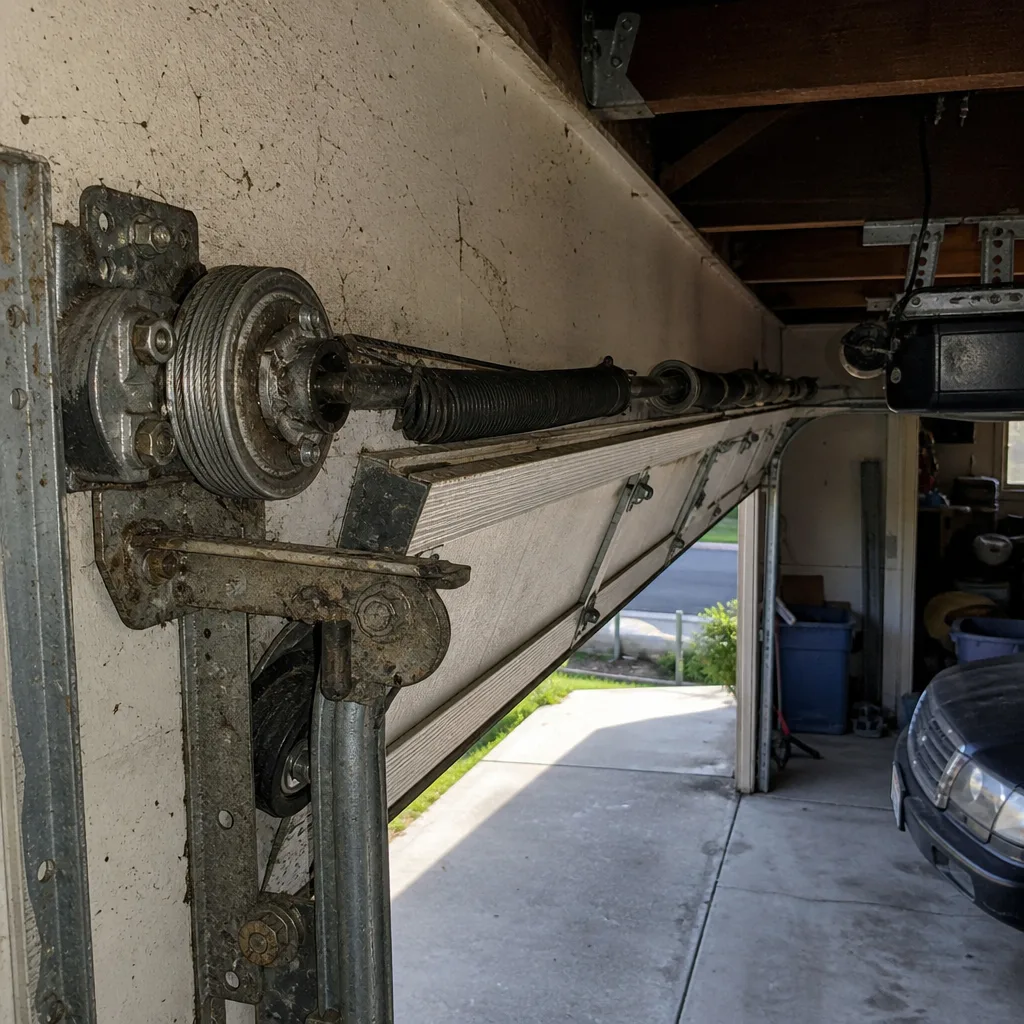 Before
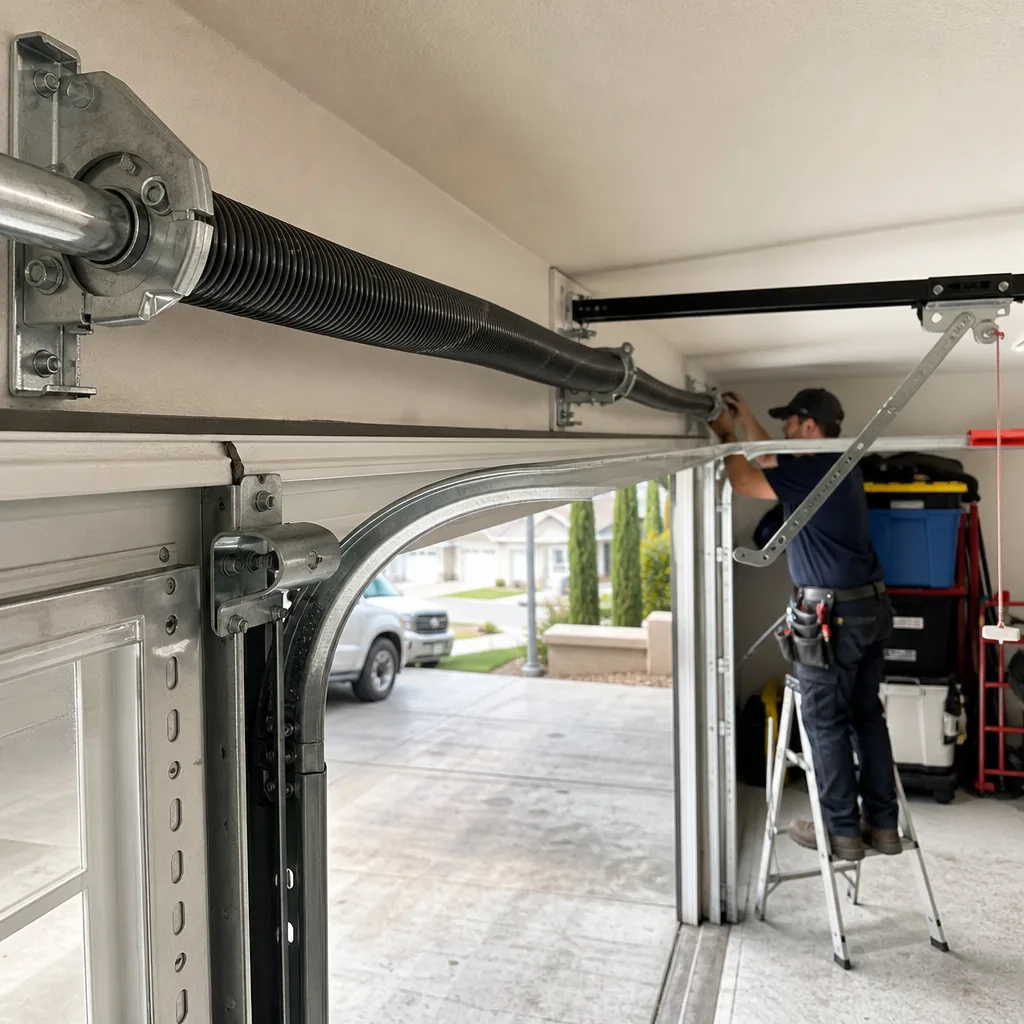 After
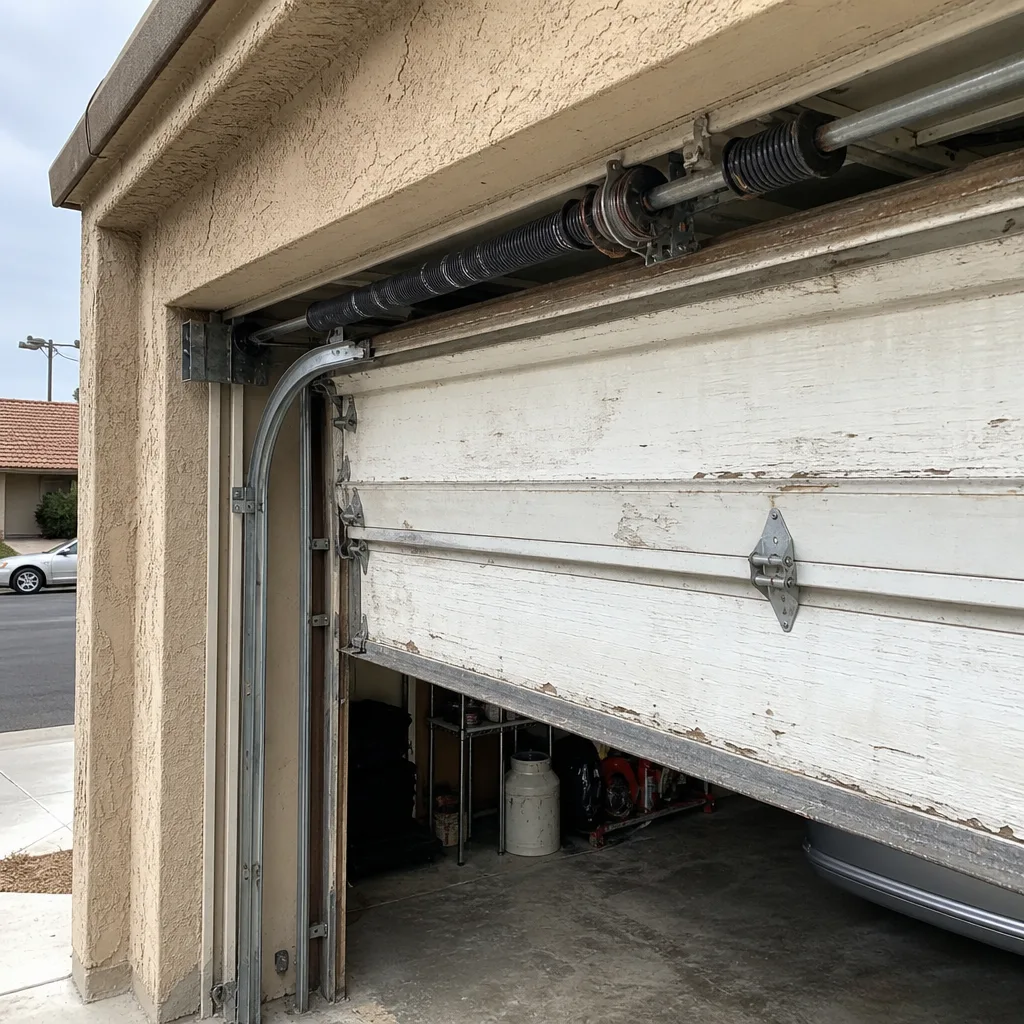 Before
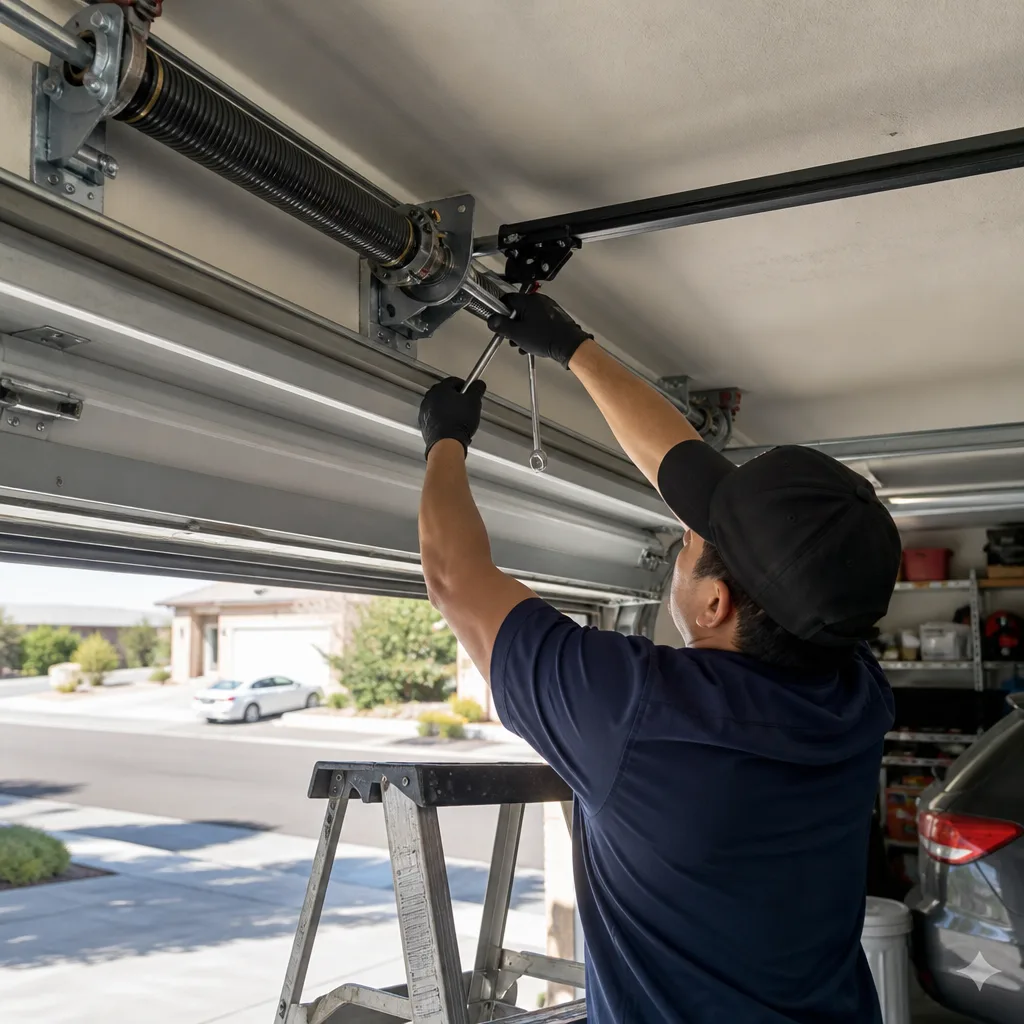 After
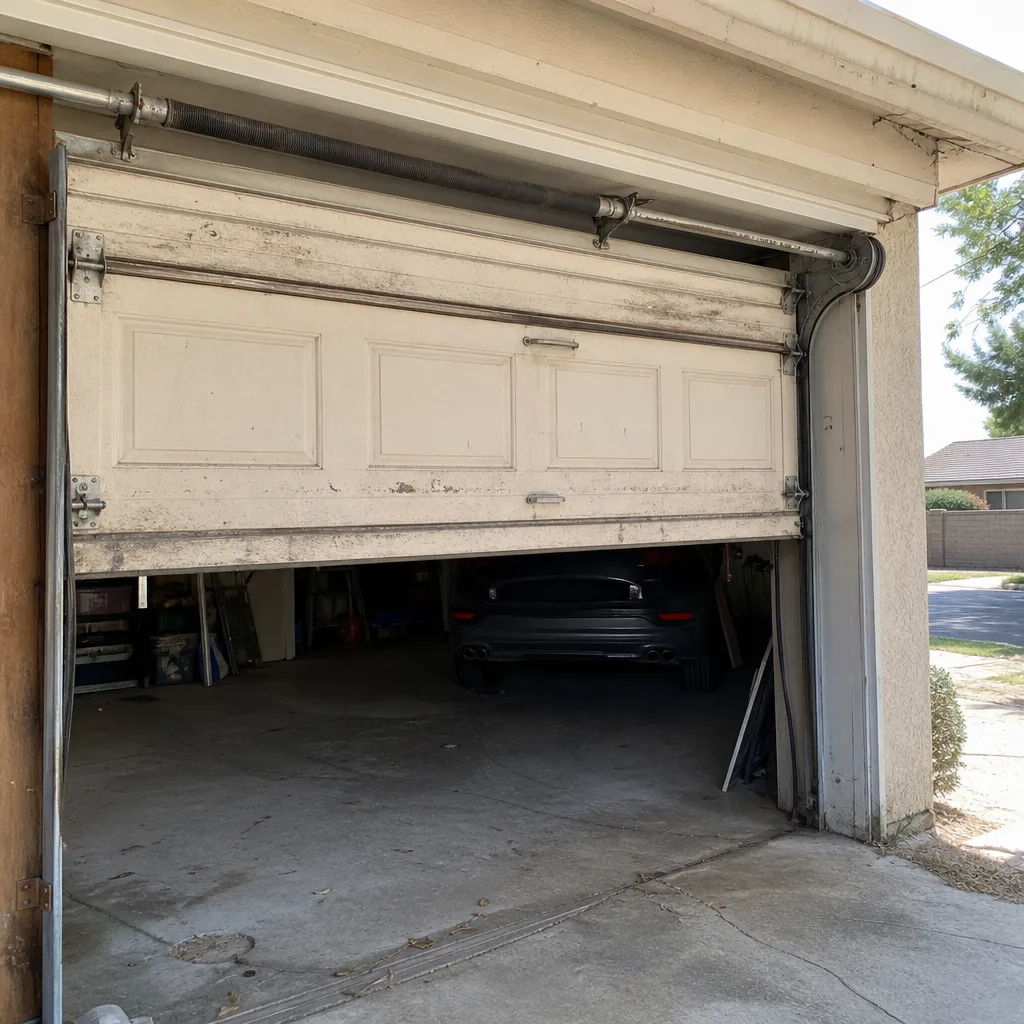 Before
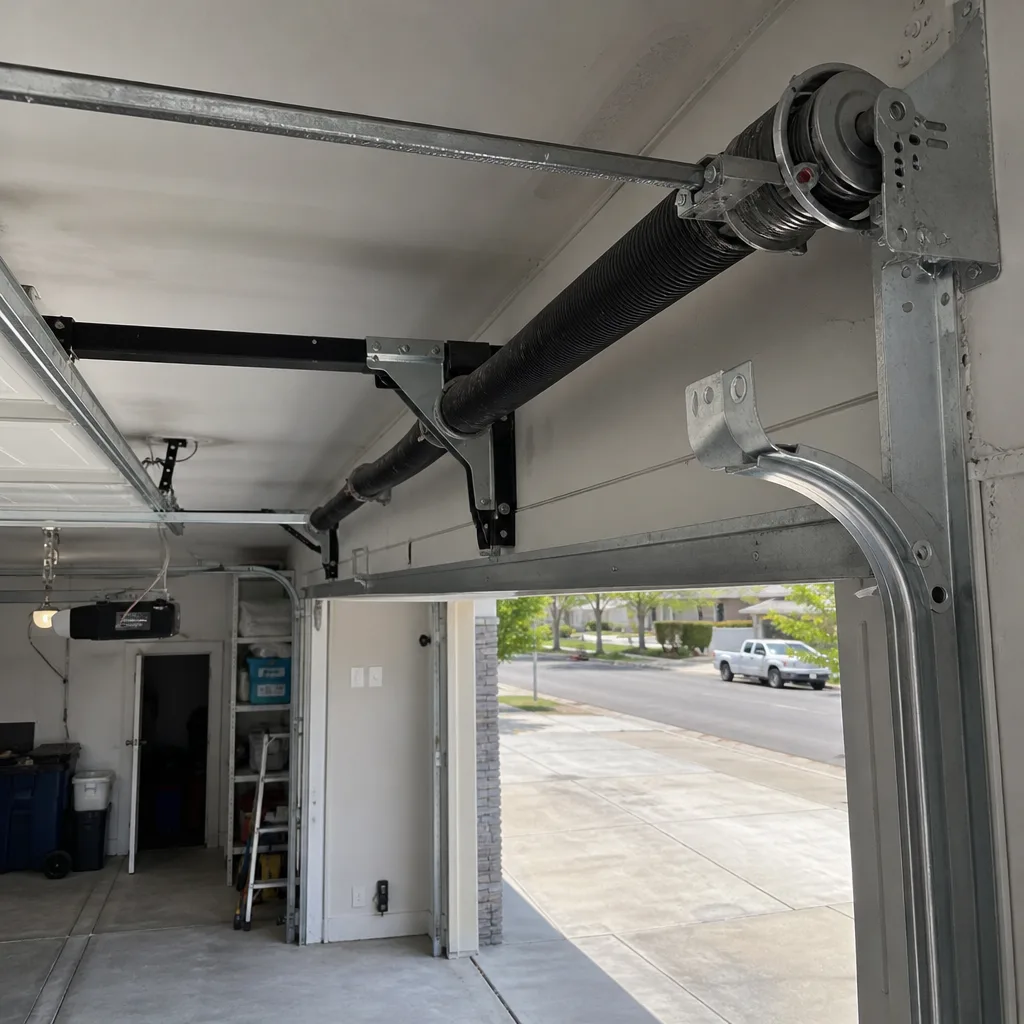 After